Blue Orchid
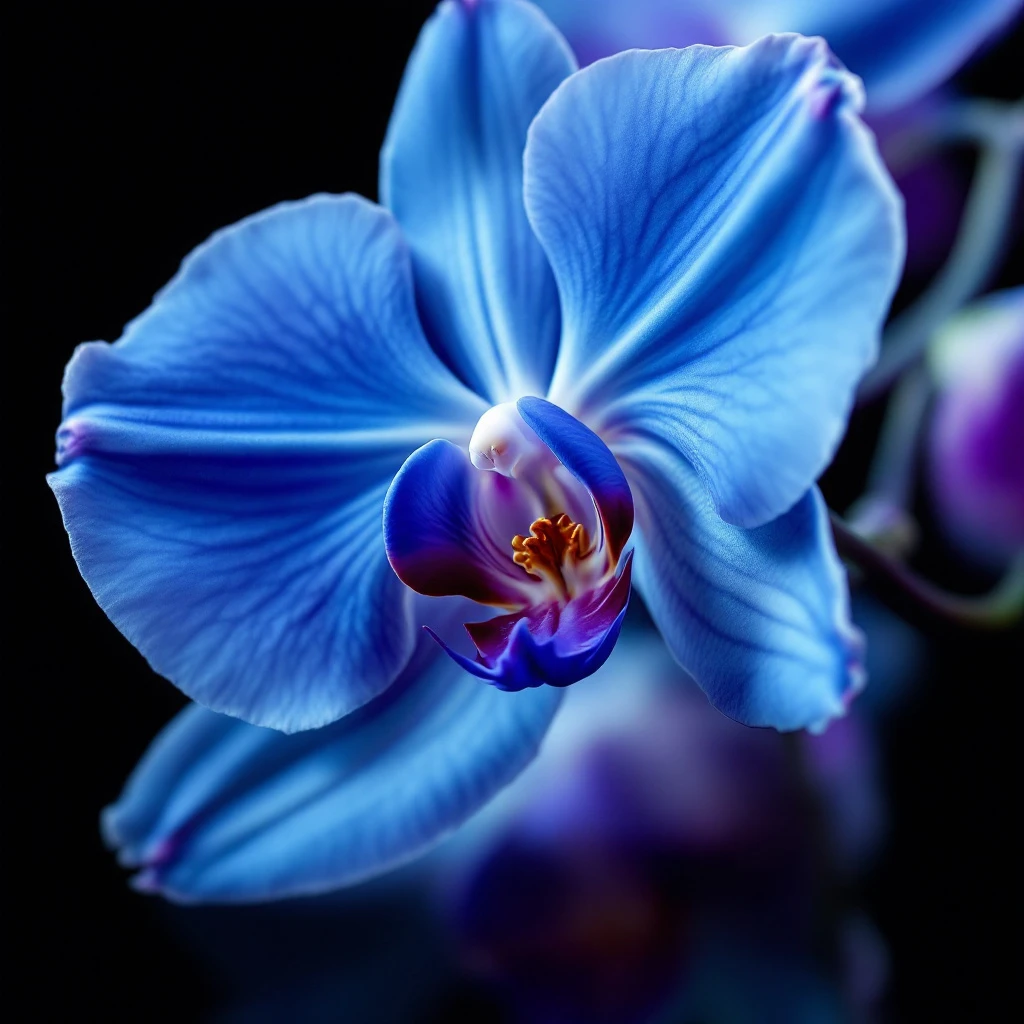
Blue Orchid is a modern aromatic compound that captures the elusive mystique of tropical orchid blooms through scientific precision. It delivers a cool, aquatic presence with a distinctive metallic shimmer, evoking the image of blue-hued petals glistening with morning dew.
Character
How it smells
The synthetic marvel that redefined aquatic fragrance.
The molecule behind Blue Orchid was initially developed as an antidepressant in a Pfizer research lab before perfumers recognized its extraordinary aromatic potential.







Origin
United States
The story of Blue Orchid begins not in a flower field but in a pharmaceutical research laboratory. In 1951, Pfizer chemist John B. H.
LeXperier discovered a novel cyclic ketone compound that showed promise as an antidepressant. The molecule languished in obscurity for decades until perfumers at Firmenich encountered it in the 1980s and recognized its extraordinary olfactory properties. By 1989, it appeared in Perfumer Thierry Wasser foundational creations, reshaping aquatic fragrance categories permanently.
The timing coincided with the rise of modern perfumery in Paris, when synthetic ingredients began reshaping what was possible in fragrance design. Today, Blue Orchid remains a defining note in aquatic and marine fragrance families, valued for its ability to evoke cool water, fresh air, and exotic florals simultaneously without relying on any actual blue-hued orchid species.
Wears it best
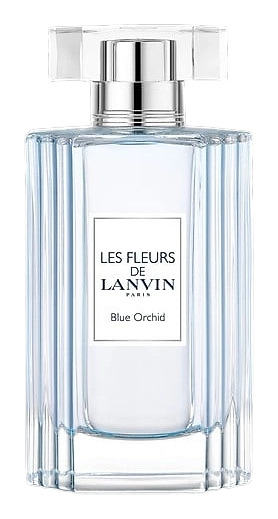
Fragrances featuring Blue Orchid
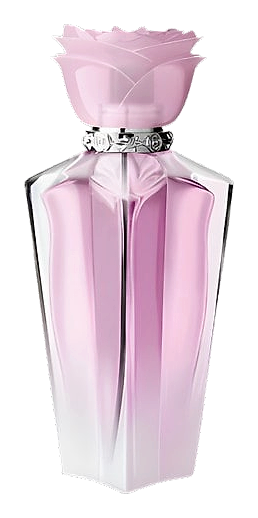
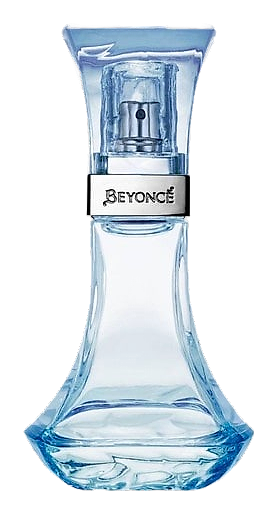
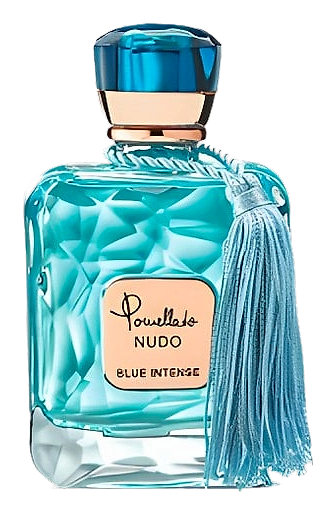
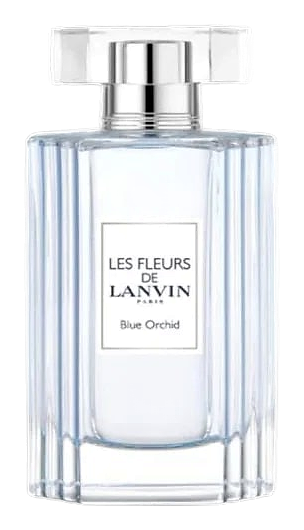
Brands
Brands known for Blue Orchid
Good to know
Questions, answered
The essentials on Blue Orchid in perfumery: how it smells, where it comes from, and how it behaves on skin.
Is Blue Orchid a real botanical ingredient?
No. Blue Orchid is a synthetic aromatic compound, most often referencing the molecule Calone 1951. No naturally occurring blue orchid produces commercially viable fragrance, making this note entirely a product of modern organic chemistry.
What does Blue Orchid smell like?
Blue Orchid smells like cool water and ozonic air, with a distinct metallic shimmer and subtle watermelon-like freshness. It conveys the sensation of a pristine tropical lagoon or morning dew on rare blooms.
Why is Blue Orchid important in perfumery?
Blue Orchid (Calone) fundamentally reshaped aquatic fragrances when it launched in the late 1980s. It enabled perfumers to create cool, watery effects that were previously impossible with natural ingredients alone.
When was the Blue Orchid molecule discovered?
The core molecule was first synthesized in 1951 by Pfizer researchers working on pharmaceutical compounds. Perfumery applications came roughly 40 years later, with commercial launches in the late 1980s.
Which famous fragrances feature Blue Orchid?
Blue Orchid appears in numerous aquatic and modern florals including Davidoff Cool Water Woman and many contemporary women's fragrances. It has become a staple in mainstream perfumery since the 1990s.
Does Blue Orchid occur naturally in any orchid species?
No. No orchid species produces a naturally blue-scented compound that resembles this synthetic aromatic. Vanilla, the best-known fragrant orchid, has no blue qualities whatsoever.
How is Blue Orchid used in fragrance formulation?
Calone 1951 is typically used at low concentrations, between 0.5% and 5% of the formula, as it is extremely potent. Higher doses can yield a more metallic, dramatic effect desirable in certain modern compositions.
What family of fragrance does Blue Orchid belong to?
Blue Orchid falls under aquatic and ozonic fragrance families. It frequently appears alongside marine notes, fresh florals, and transparent woody bases in contemporary fragrance construction.


