
The Story
Why it exists.
The beginning
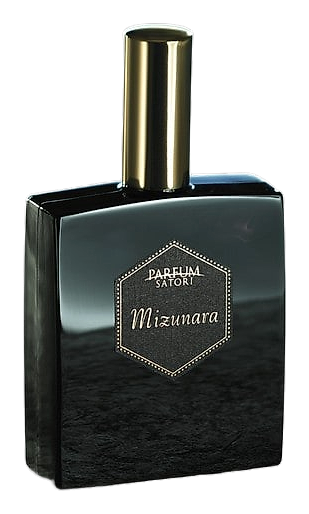
The name says everything. Mizunara, Japanese oak, Quercus crispula, is the wood used to age Japan's most prized whiskies. It grows slowly, its grain dense and unpredictable, and it imparts a distinctive character that no other oak can replicate. Ōsawa Satori spent time with that character, then translated it into something wearable. Not a whisky fragrance. A fragrance about the same material doing different work. The concept emerged from a question: what does restraint smell like when it's chosen, not imposed? The Japanese whisky industry answered with mizunara, cooperage built around a material that resists easy use. Satori applied that logic to composition, building a fragrance around a tree rather than a trend. The 2018 release arrived quietly, as fits its nature.
The structure rewards attention. An aromatic opening, clary sage, lavender, rosemary, carries the freshness you'd expect. Then galbanum and neroli arrive, adding a sharper green quality and unexpected brightness. The cognac note doesn't smell like brandy; it smells like the memory of warmth, already half-dissolved. The heart shifts the register entirely. Juniper and cypress take over, their coniferous character dominant and persistent. Patchouli keeps the herbal foundation alive underneath. This is where the fragrance earns its name, not through a literal mizunara note, but through the same principle: a material that asserts itself quietly, over time, without apology.
The evolution
The opening hits immediately: clary sage and lavender spreading fresh and clear, like highland water over stone. Rosemary sharpens the green, galbanum adds its crisp bite. Twenty minutes in, the composition shifts. Juniper and cypress take over, cool, coniferous, almost masculine in their directness. Patchouli grounds the herbal foundation without softening it. By hour two, the coniferous character dominates and warms simultaneously. The heart doesn't fade so much as deepen, juniper lingering while amber and sandalwood begin their slow emergence. The base arrives not as a replacement but as a completion. Labdanum and tolu balsam add dusty resinous depth. Vetiver grounds everything with an earthy, slightly smoky quality that stays close to the skin for hours. The mizunara oak itself never appears as a named ingredient, it lives in the principle. Japanese oak carries a distinctive incense-like character unlike typical Western woody bases. That's what lingers here: the suggestion of wood that held spirit for years, now holding something else.
Cultural impact
Mizunara occupies a specific niche within niche perfumery, a fragrance that doesn't operate on Western projection logic but instead embodies a Japanese sensibility where what you don't say matters more than what you do. It's found its audience among those who understand Japanese whisky culture, where elegance lives in restraint. The kind of fragrance that sparks conversation not because it's loud, but because it makes people ask what they're missing.