
The Story
Why it exists.
The beginning
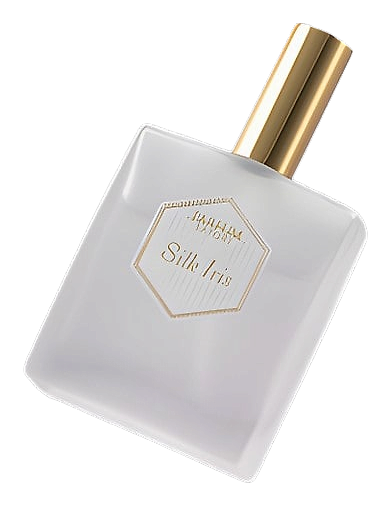
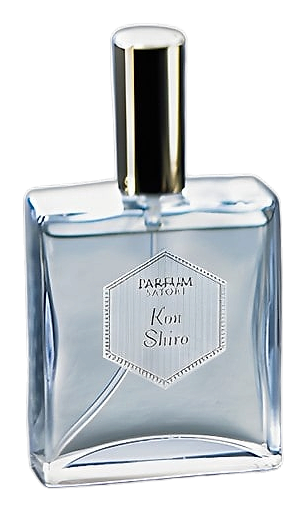
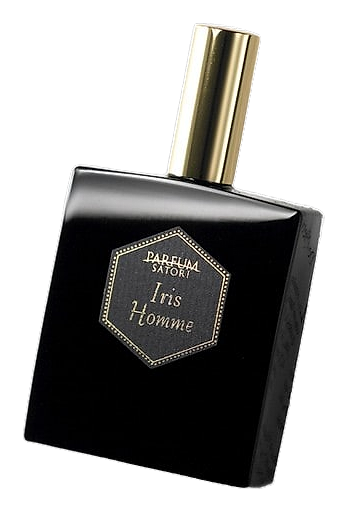
Iris. A root that takes years to develop enough character for use in perfumery. Then a 2010 fragrance from a Japanese perfumer who treats restraint as a craft, not a limitation. Parfum Satori named this Iris Homme, positioning it for women and men. Lemon and cardamom open soft and subtle. Orange blossom softens the transition. Then the iris arrives, powdery, violet-touched, certain of itself. Jasmine and violet hold the middle. Sandalwood and musk carry it out. The name says masculine. The scent doesn't argue. It just doesn't need to.
What makes this composition unusual is its refusal to do more than necessary. The iris note, the heart of everything, arrives not as a statement but as a quiet assertion. It doesn't overpower. It settles. The lemon-cardamom opening reads as soft and subtle, with the orange blossom rounding it. The florals take over as the citrus fades, and the fragrance commits to its direction: powder, violet, warmth. Sandalwood and musk anchor the drydown into something skin-close and persistent. No projection theatrics. No drydown betrayal.
The evolution
The opening announces itself with citrus softness, lemon, cardamom, a flash of orange blossom, before the iris pushes through. This is the tell. The lemon recedes and the powdery violet character takes over, and that is what you will be wearing for the next several hours. The heart phase belongs to the florals. Iris doesn't compete with jasmine and violet, it accommodates them. The three hold a quiet middle ground, neither loud nor absent. If you lean in close, you'll catch it. If you don't, you'll sense a warmth. There's a softness to this transition that feels deliberate rather than gradual. The drydown is where sandalwood and musk do their work. The iris is still there, still powdery, but now it's wrapped in warm wood and skin-close musk. This is the part that stays. It lingers on fabric well after the scent has faded from skin.
Cultural impact
Iris Homme is a fragrance that doesn't shout. Among collectors who track Parfum Satori's work, this one earns its place alongside the house's more deliberately conceptual pieces, not because it's complicated, but because it knows exactly what it is. It's a powdery iris done with clarity and purpose.
The House
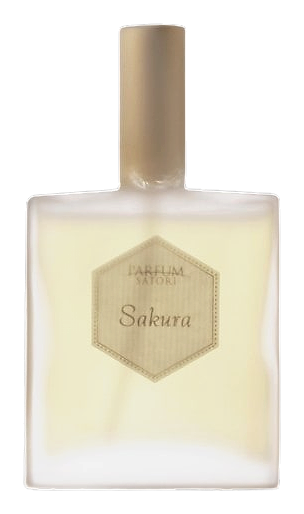
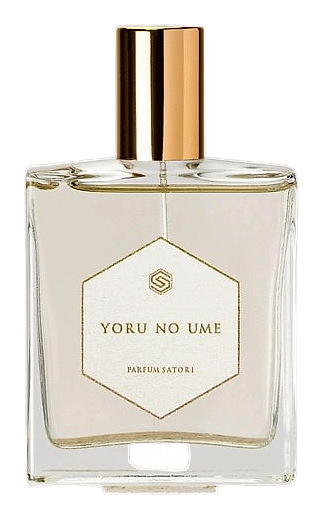
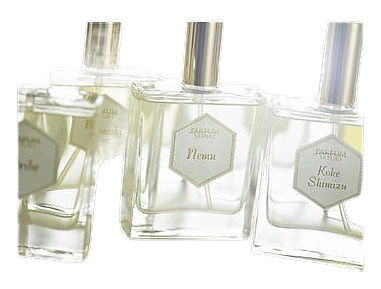
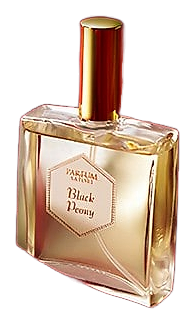
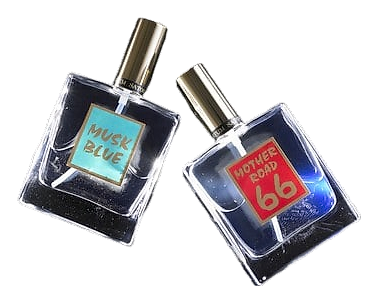
Parfum SatoriParfum Satori occupies a quiet corner of Tokyo's Roppongi district, inside a residential building that requires deliberate intent to find. The house is the personal project of Satori Osawa, who founded and heads the brand as both creator and perfumer. Her work draws from Japanese philosophy and aesthetics, translating concepts like wabi-sabi, impermanence, and cultural memory into liquid form. Among the collection are pieces like Murasaki no Ue, named after the 11th-century author Lady Murasaki; Yoru no Ume, an evening meditation; and Sakura, exploring cherry blossom as both beauty and fleetingness. Osawa is one of the few Japanese members of the Association of Perfumers of France, founded in 1942, which gives her a rare standing in both Eastern and Western perfumery traditions. The house produces a focused line of fragrances, each carrying a specific cultural message or wish, positioned as aromatic interpretations of Japanese spirit rather than commercial products.
The Creator
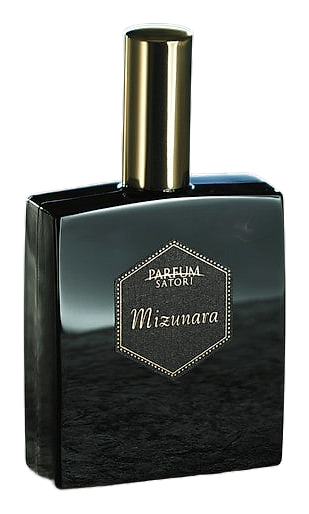
Ōsawa SatoriOsawa's work tends toward restraint and complexity. She favors natural materials with depth and history: wood notes like Mizunara, green and aromatic facets that recall Japanese forests, and the subtle astringency of tea in all its forms.