The Story
Why it exists.
The beginning
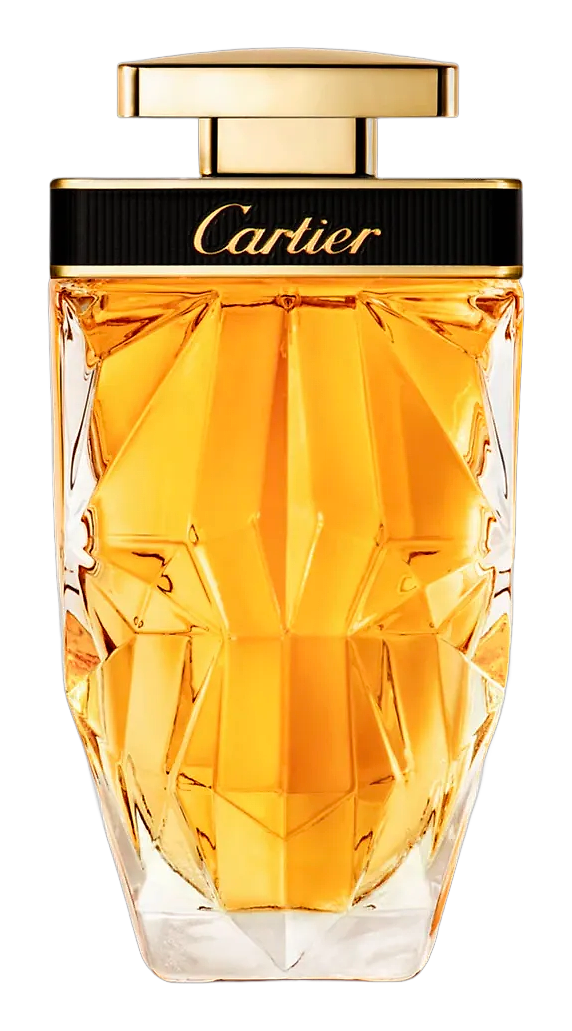
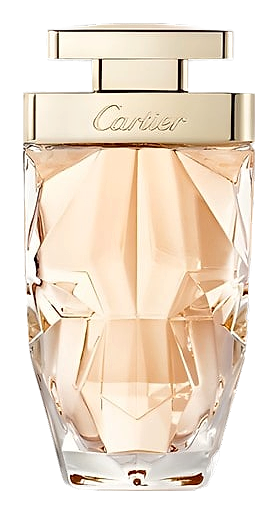
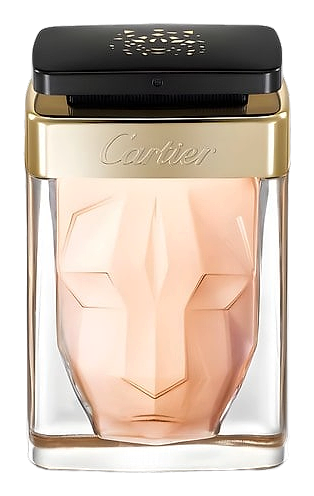
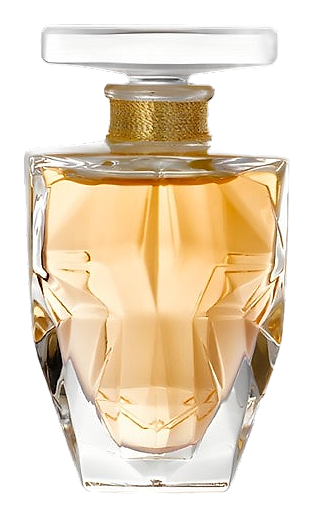
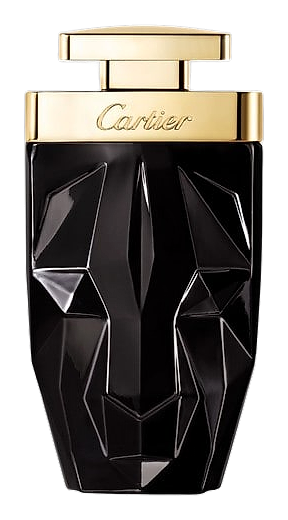
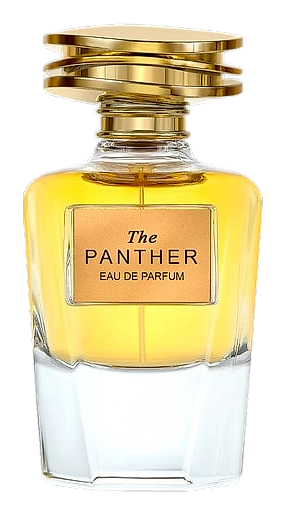
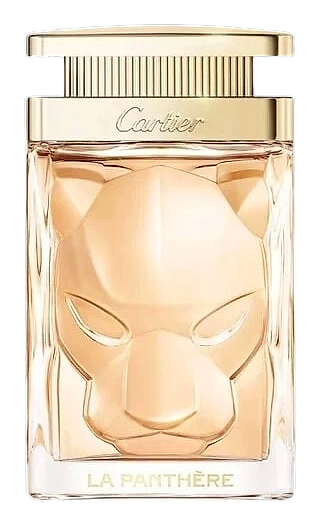
Mathilde Laurent created La Panthère for Cartier in 2014, naming it after Jeanne Toussaint, the woman nicknamed La Panthère who led the Maison's jewellery department from the 1910s onward. Toussaint was Cartier's lover, his creative director, and his most enduring muse. The panther was her signature. Laurent translated that feline energy into a fragrance that carries the same tension Toussaint embodied: powerful and beautiful, graceful and untamed. This is not a perfume named after an animal. It is named after a woman who became one.
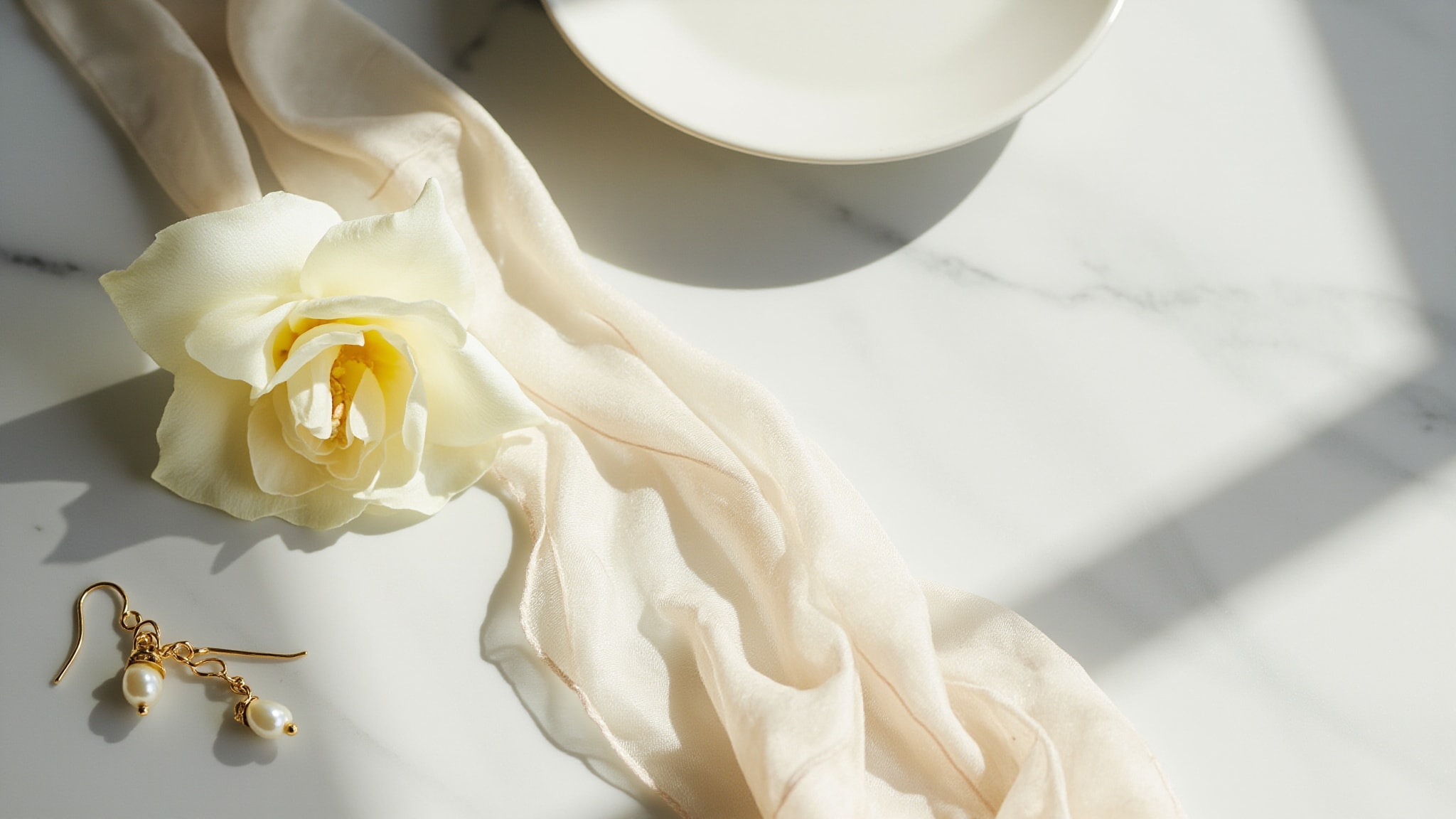
What makes La Panthère unusual is the gardenia. White florals tend to lean soft, romantic, familiar, Laurent chose gardenia specifically to avoid the expected path. Paired with ketone musk and oakmoss, that gardenia becomes something else entirely. The result is a chypre structure that feels classical without smelling dated. Ketone musk gives the base an animalic warmth without heaviness, and oakmoss provides the mossy, earthy grounding that defines a true chypre, a category many modern houses have quietly abandoned because it demands quality and commitment. This is a fragrance built by someone who understood what she was reaching for.
The evolution
The opening arrives tart and bright, rhubarb leads, with strawberry sweetness hovering underneath. Dried fruits add depth without slowing the entry. The apple note is quiet but present, giving the top a crispness that keeps things from going syrupy. This phase lasts roughly 15 minutes before the florals begin to take over. Gardenia announces itself as the heart develops. It does not nudge the fruit aside, it grows around it, the way white petals unfurl at dusk. Supporting florals including rose and ylang-ylang soften the gardenia's natural creaminess, but the flower remains the protagonist. The fruit begins to recede, leaving a sweet dryness behind. The drydown is where La Panthère earns its name. Oakmoss anchors the gardenia as the florals fade, providing a green, earthy counterweight that deepens rather than dims. Ketone musk extends the wear, adding a warm animalic presence that stays close to the skin but persists for hours. The oakmoss shifts from bright green to something richer, almost soil-like.
Cultural impact
La Panthère arrived in 2014 as a statement of intent, Cartier reclaiming the chypre structure at a moment when many houses had quietly moved away from it. The combination of gardenia and ketone musk is the kind of choice that divides opinion precisely because it commits. Wearers either find it one of the most distinctive florals in the contemporary market or something too animalic for their preference. That divide is the point. This is not a fragrance designed to please everyone. It is designed to be remembered by the people it does reach.