Musk ketone
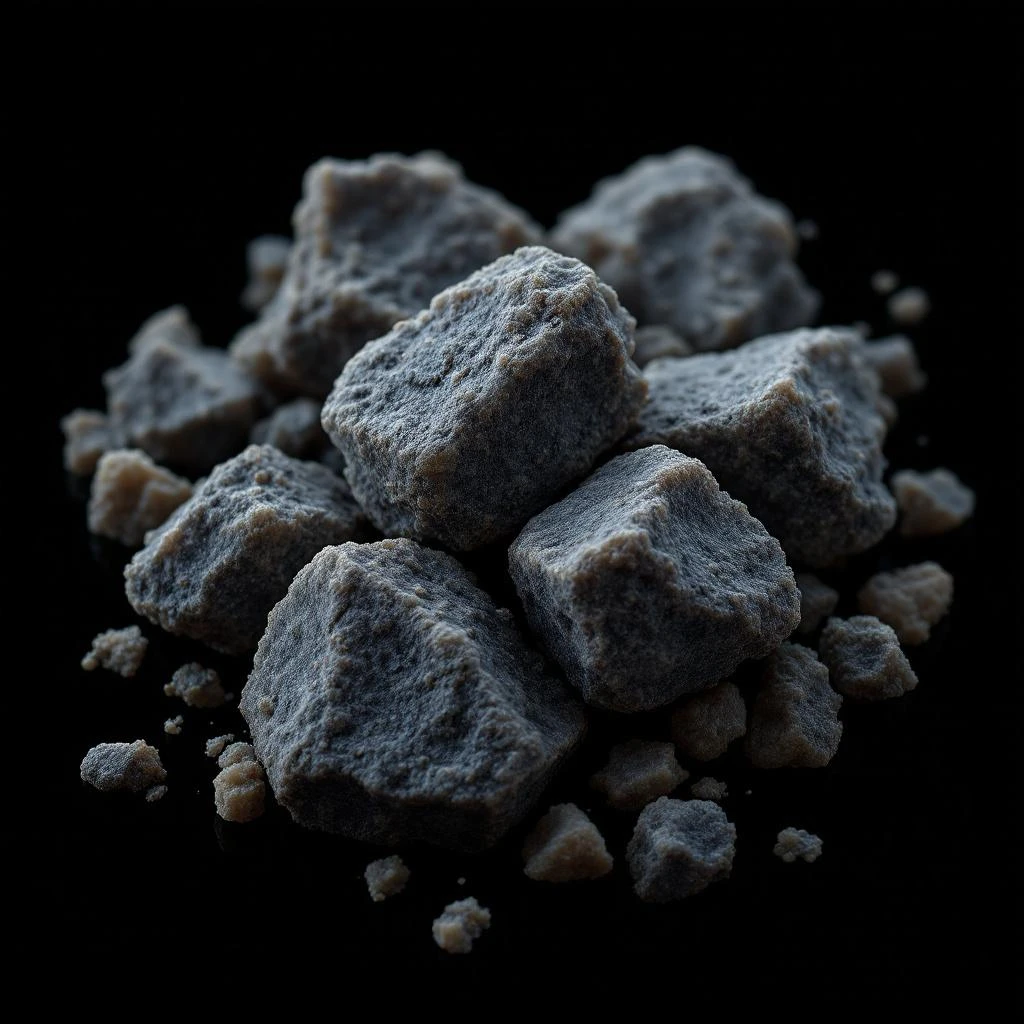
Musk ketone (CAS 81-14-1) is a classic synthetic nitro musk with a warm, sweet-powdery, and softly animalic profile. Developed in 1888 by German chemist Albert Baur, it became a foundational base note ingredient that replicated the prized scent of natural musk while offering consistency and ethical production. Its use declined in the late 20th century due to regulatory restrictions.

Character
How it smells
The accidental discovery that freed perfumery from animal cruelty, yet faced its own controversies.
Albert Baur created musk ketone by accident in 1888 while attempting to synthesize a more powerful explosive compound for military use.



Origin
Germany
Musk ketone emerged from Albert Baur's 1888 laboratory experiments in Germany, where serendipity replaced his original military-focused research with a discovery that would transform perfumery. Natural musk, harvested from the musk deer, had been the prized base note for thousands of years, yet ethical concerns and economic scarcity made alternatives essential.
By 1921, Ernest Beaux incorporated over 10% musk ketone into Chanel No 5, signalling a new era where synthetic alternatives could achieve icon status. The nitro musks dominated base note formulations for decades until mounting evidence of environmental persistence and bioaccumulation prompted gradual regulatory restrictions beginning in the 1990s.
Wears it best
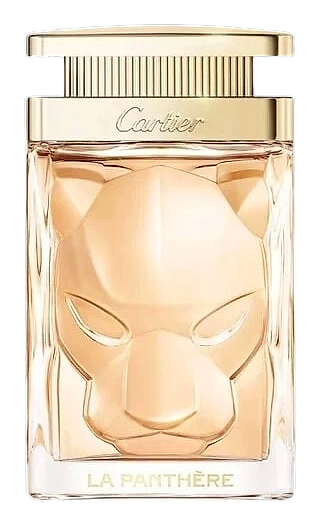
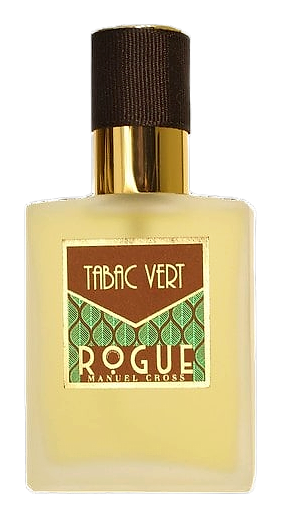
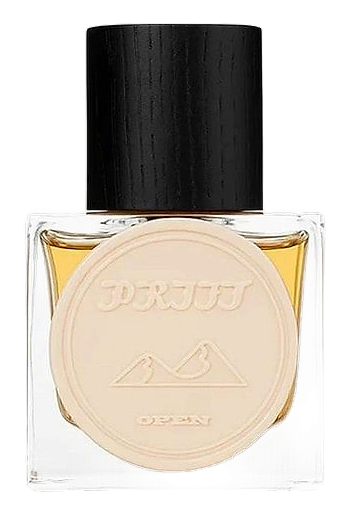
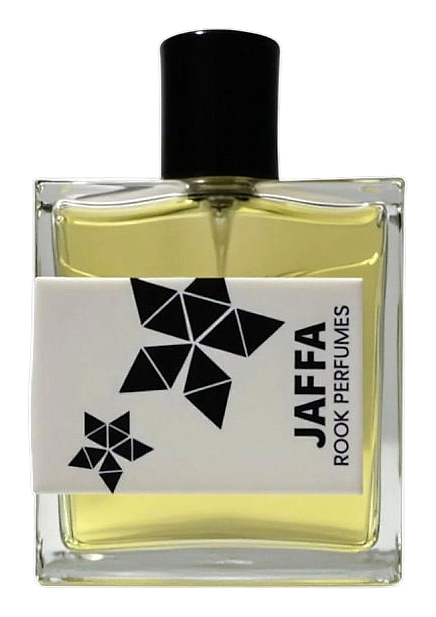
Fragrances featuring Musk ketone
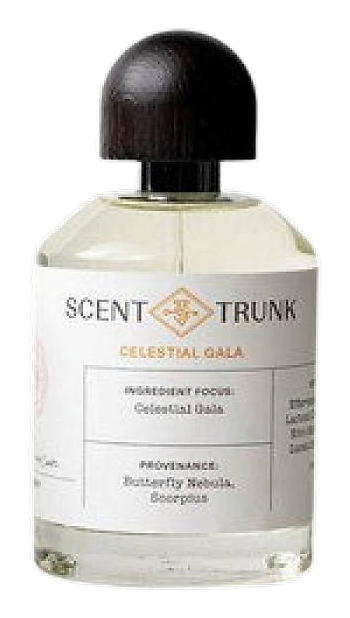
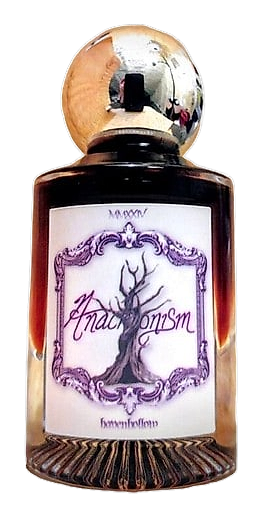
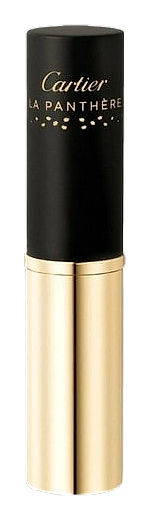
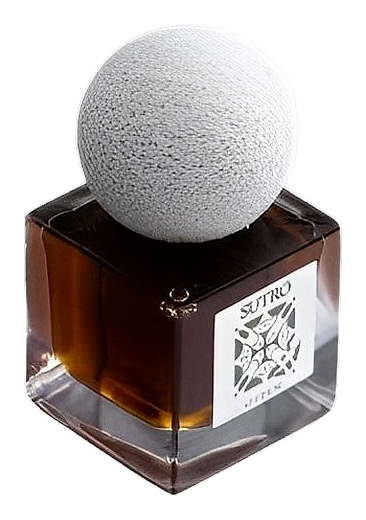
Brands
Brands known for Musk ketone
Good to know
Questions, answered
The essentials on Musk ketone in perfumery: how it smells, where it comes from, and how it behaves on skin.
What does Musk ketone smell like in perfume?
Musk ketone offers a warm, sweet-powdery scent with perceptible animalic undertones that evoke traditional deer musk. Its aroma is considered softer and more rounded compared to other nitro musks, creating an impression of cleanliness and warmth when used as a base note.
Why is Musk ketone used in perfumery?
Musk ketone functions as an exceptional fixative and base note, extending the longevity of lighter fragrance components while adding warmth and depth. Its chemical stability ensures consistent performance across various formulations, making it valuable for perfumers seeking reliable foundation ingredients.
Is Musk ketone in perfume natural or synthetic?
Musk ketone is entirely synthetic, produced through nitration and alkylation reactions. It was developed in 1888 specifically to replace natural musk harvested from animals. CAS number 81-14-1 identifies its specific chemical structure as C14H18N2O5.
What famous perfumes contain Musk ketone?
Chanel No 5 (1921) serves as the most iconic example, containing over 10% nitro musk with musk ketone as the primary component. Countless perfumes across the 20th century incorporated this ingredient for their base note formulations before regulatory restrictions reduced its prevalence.
Is Musk ketone a top note, heart note, or base note?
Musk ketone serves exclusively as a base note in perfumery composition. Its low volatility means the scent develops slowly over several hours, providing fragrance longevity and acting as a fixative for higher-volatility components in the formula.
What notes pair well with Musk ketone in perfume?
Musk ketone pairs naturally with florals like rose and jasmine, woody aromatics such as sandalwood and cedar, and Oriental ingredients including vanilla, amber, and incense. It softens sharp aromatic components and creates harmonic bridges between disparate scent families.
How is Musk ketone extracted?
Musk ketone is not extracted but chemically synthesized through controlled nitration reactions on a dimethyl-tert-butylacetophenone base. Albert Baur discovered this process accidentally in 1888. Unlike botanical extracts, no plant material or animal tissue is involved in its production.
Is Musk ketone used in men's or women's fragrances?
Musk ketone appears across both genders without meaningful distinction. Chanel No 5, a landmark women's fragrance, contains it alongside countless masculine bases composed during decades when nitro musks dominated the industry. Scent gender associations relate more to accompanying ingredients than the musk itself.