Costus Root
Costus root provokes more debate than almost any other natural material in perfumery. Its intense, animalic character divides opinion and triggers regulatory restrictions in many regions.
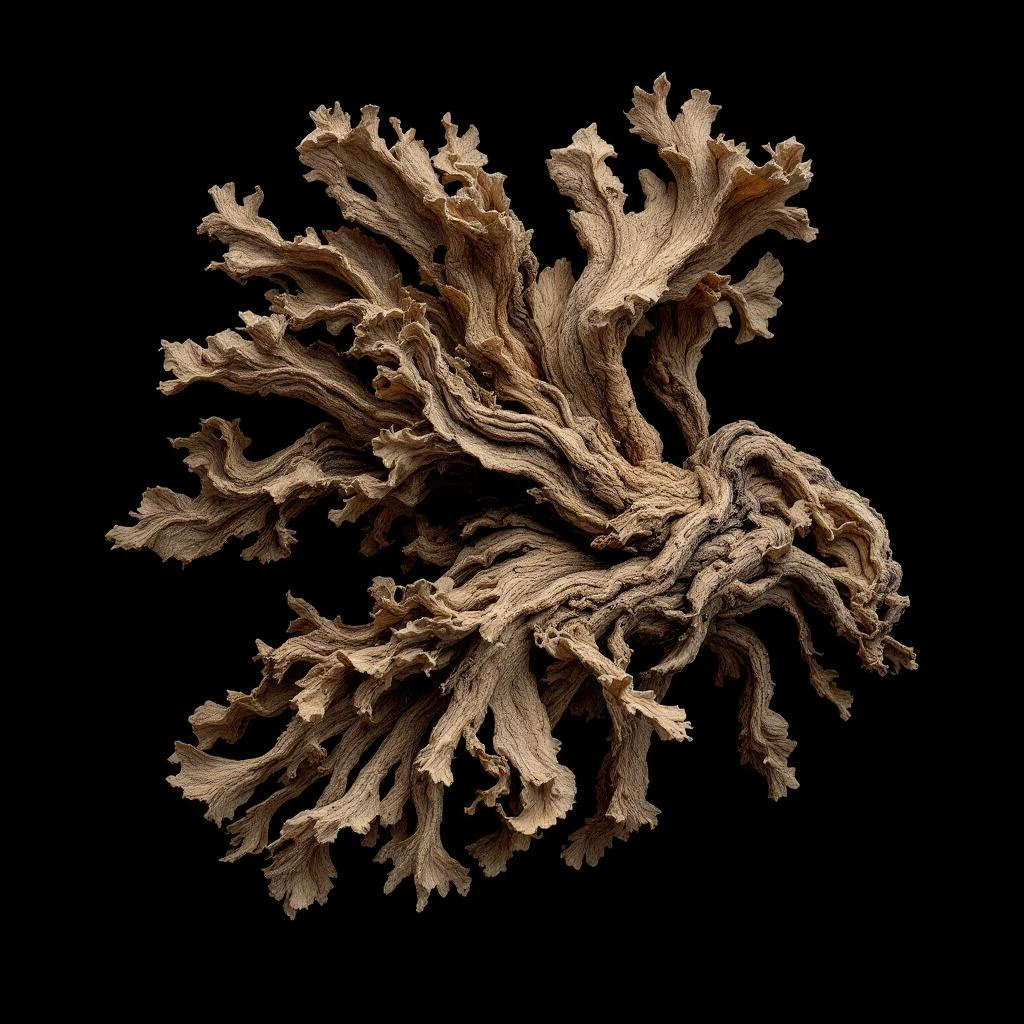
Character
How it smells
The most controversial natural in perfumery
IFRA restricts costus in consumer products due to its sensitizing potential, yet perfumers still seek it for its unmatched animalic complexity.


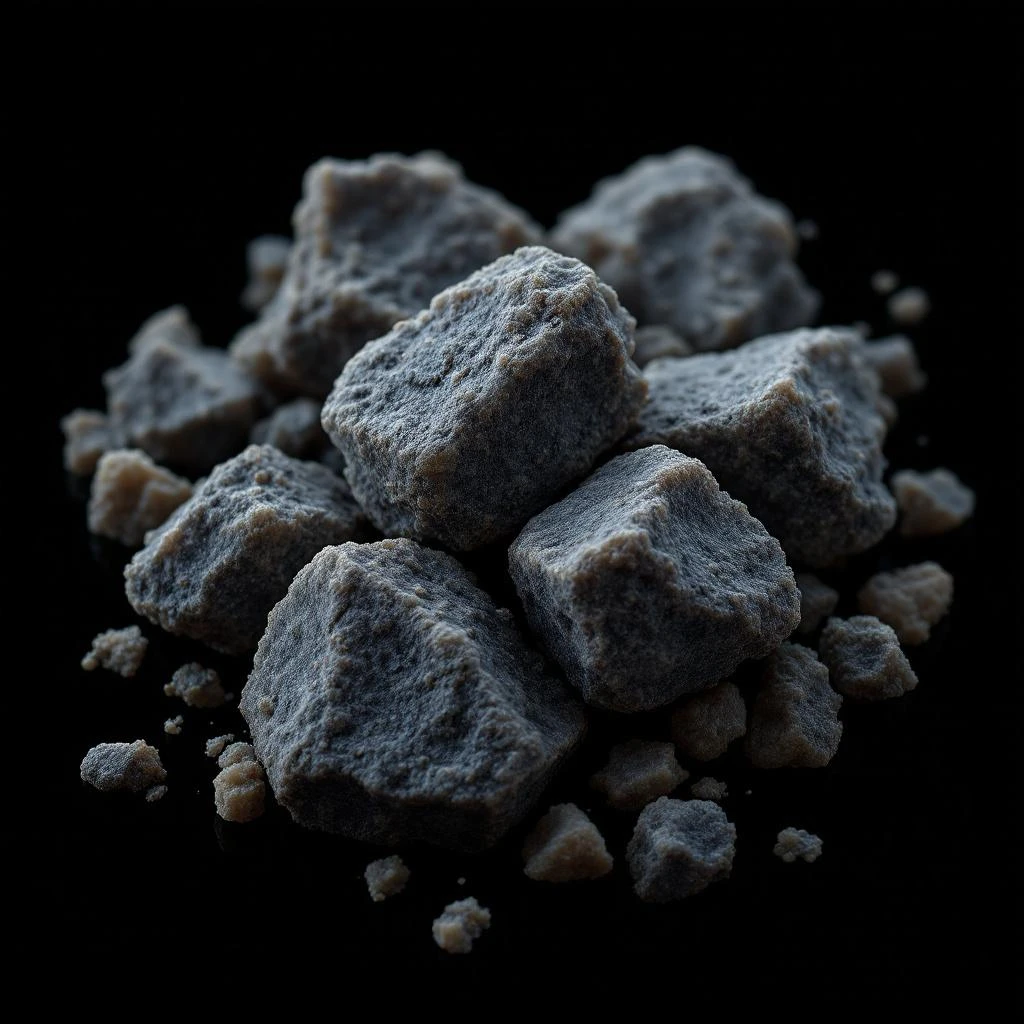



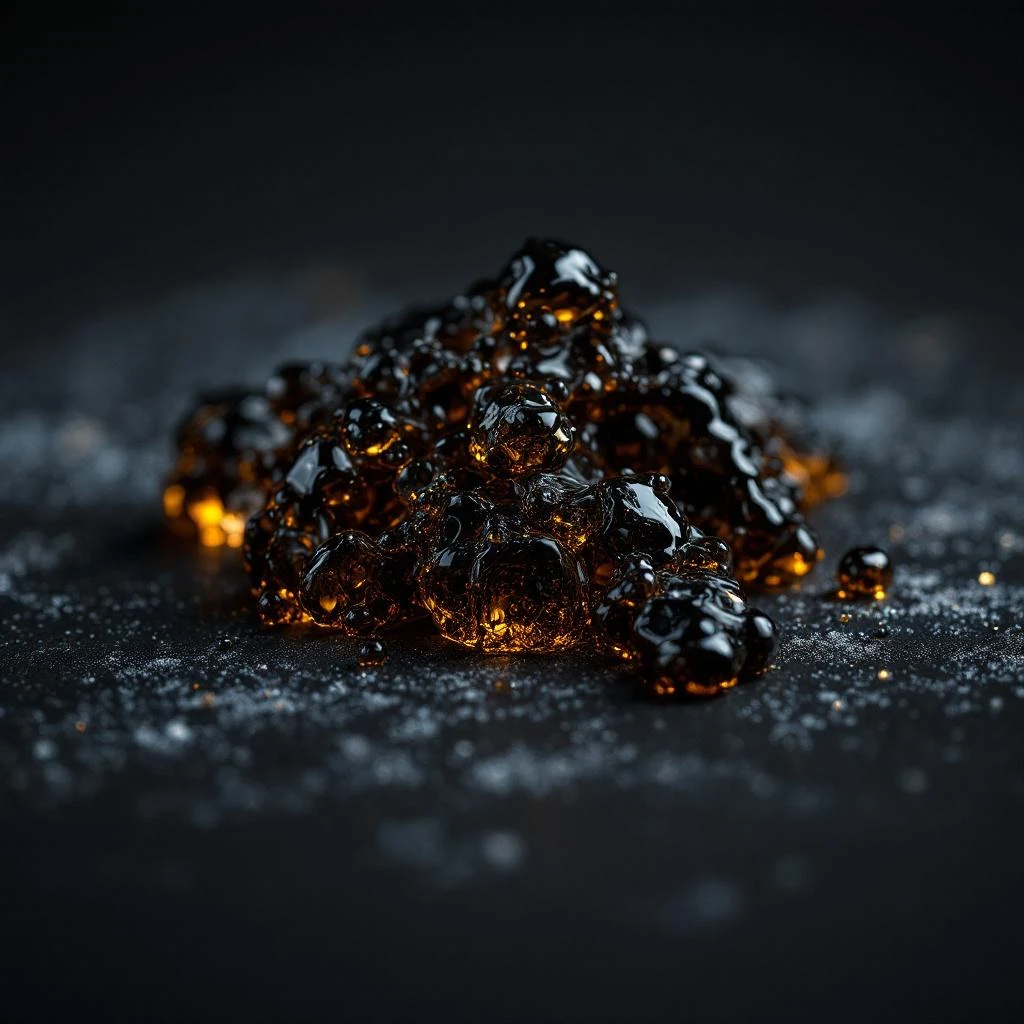

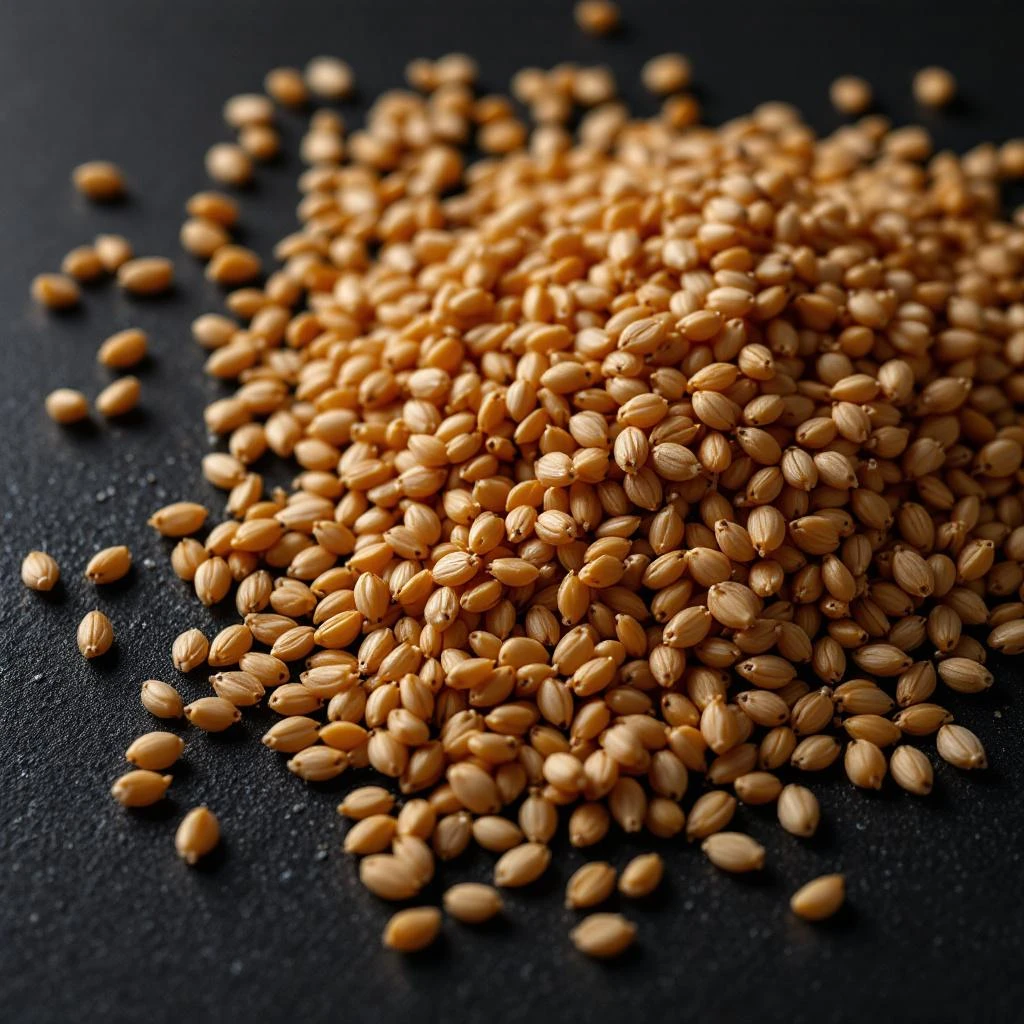
Origin
India
Costus root carries one of the oldest documented lineages in aromatic history. References appear throughout the Vedas, where ancient Indian aromatics were sourced from mountainous regions for ceremonial use.
The material maintained prominence in both Ayurvedic and Traditional Chinese Medicine pharmacopoeias for millennia. Linguistic traces confirm this heritage: the Sanskrit-derived name traveled through Arabic and Medieval Latin before entering European vocabulary.
By the fourteenth century, Western traders had established trade routes specifically for costus, recognizing its value alongside other exotic botanicals. The plant's journey from Himalayan sacred texts to European perfumery cabinets spans thousands of years, representing one of perfumery's most enduring natural materials despite ongoing regulatory challenges.
Wears it best
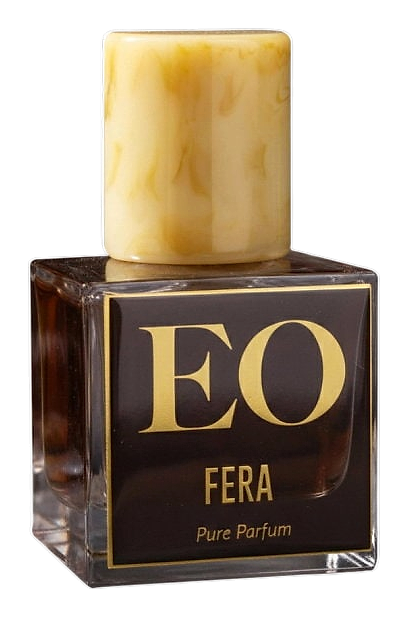
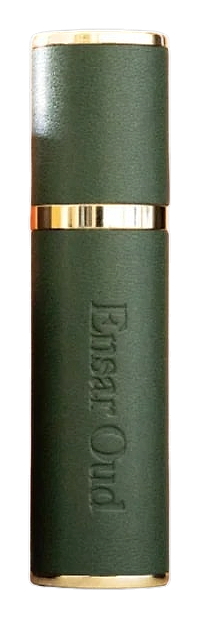
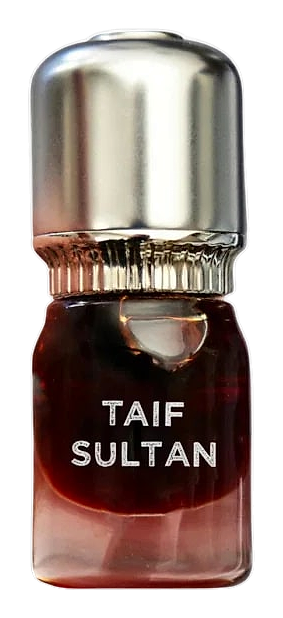
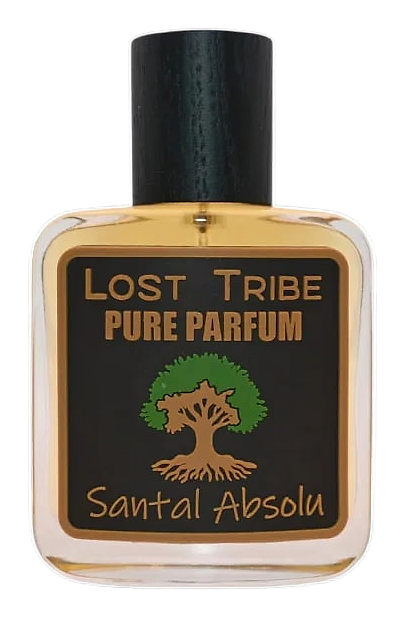
Fragrances featuring Costus Root
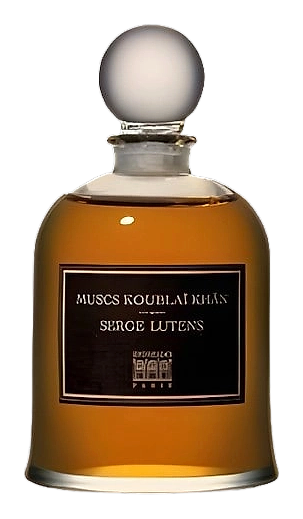
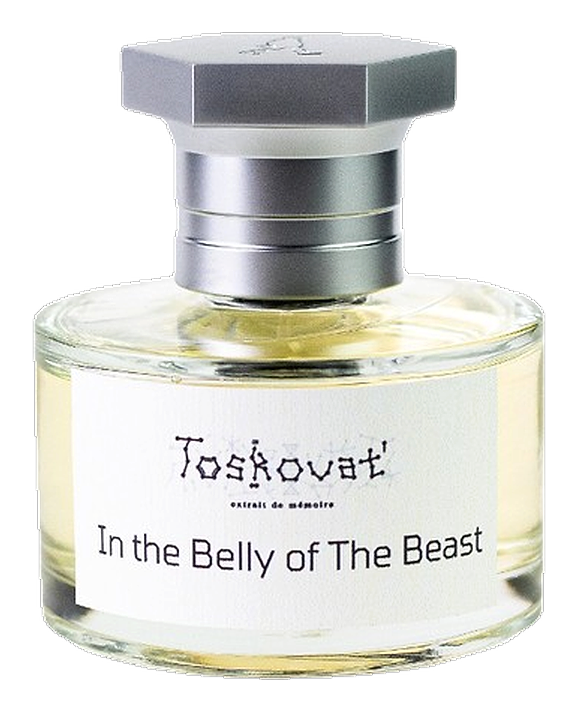
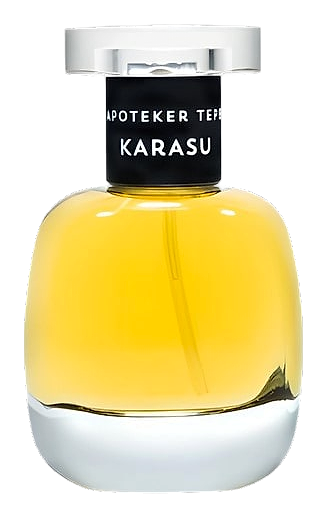
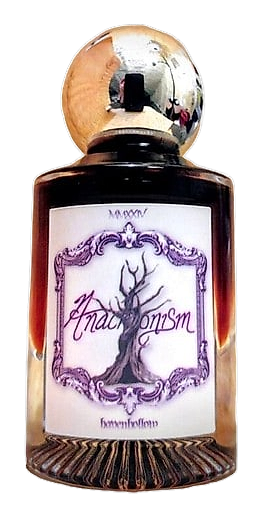
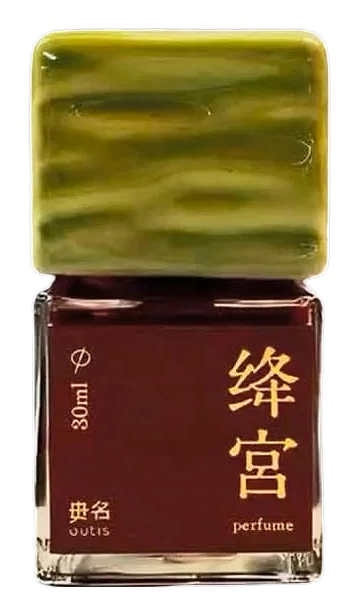
Brands
Brands known for Costus Root
Good to know
Questions, answered
The essentials on Costus Root in perfumery: how it smells, where it comes from, and how it behaves on skin.
What does costus root smell like?
Costus root delivers warm, woodsy intensity with distinctly animalic undertones. The aroma carries complexity that shifts between earthy, musky, and slightly leathery facets depending on its origin.
Why is costus root restricted in perfumes?
IFRA limits costus because of its sensitizing potential. Maximum concentrations are strictly enforced across consumer product categories to protect skin safety.
Where does costus root come from?
Kashmir and Uttarakhand supply the finest costus roots. The subalpine valleys at extreme altitude produce roots with characteristic intensity that cannot be replicated elsewhere.
How is costus root oil extracted?
Steam distillation and solvent extraction are the primary methods. Some producers also use hydro distillation. Each technique produces slight variations in the final oil's aromatic profile.
Has costus root been used historically?
Yes. References appear in the Vedas, confirming use dating back thousands of years. Both Ayurvedic and Chinese medicine traditions incorporated costus into their pharmacopoeias for centuries.
What gives costus its distinctive aroma?
The composition includes saussurine and various lactones that create the characteristic intense, animalic character. Geographic origin significantly influences the final aromatic profile.
Can I find costus in modern commercial fragrances?
Limited availability due to IFRA restrictions means costus appears primarily in vintage perfumes and niche creations. Some houses maintain small reserves for exclusive formulations.
What ingredients substitute for costus in perfumery?
Synthetic musks and natural materials like oakmoss absolute or vetiver can approximate costus warmth, though none precisely replicate its unique animalic complexity.