
The Story
Why it exists.
The beginning
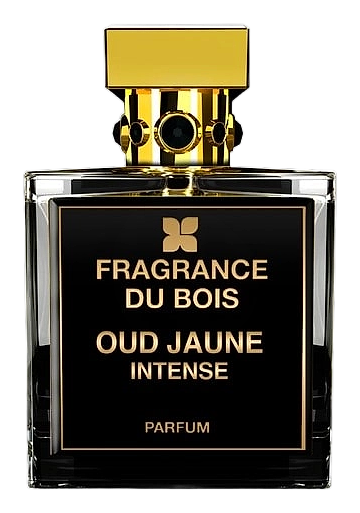
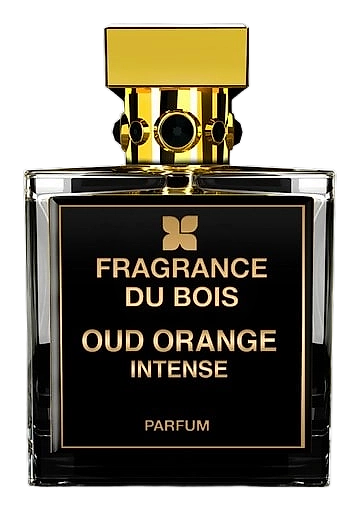
Fragrance Du Bois operates with cooperatives in Indonesia and Malaysia, harvesting oud from trees in ways that prioritize sustainability and quality. The house draws on 17th century French traditions of Grasse, emphasizing craftsmanship that treats each ingredient as worthy of careful handling. When perfumer Caroline Sabas approached this composition, she worked within that lineage, selecting materials that could honor the house identity while offering something new. The 2013 launch as part of the Shades du Bois collection placed this fragrance among explorations of oud in different contexts, each variant showcasing how the ingredient can behave depending on what surrounds it.
The philosophy behind the note selection reflects a desire to frame oud differently than tradition might suggest. Rather than opening with it directly, Sabas built a composition where coconut and bourbon vanilla create a context that softens the ingredient's more intense qualities. Musk adds staying power without overpowering, ensuring the drydown feels like a natural conclusion rather than a jarring shift. The result is a fragrance that respects oud by not overwhelming it.
The evolution
The opening unfolds quickly, with fruits arriving bright and translucent before coconut adds its creamy warmth. Coconut proves to be an interesting bridge note here, keeping the transition from fruit to vanilla smooth rather than abrupt. Once bourbon vanilla emerges, the scent shifts into its warmest register, a phase that can last for hours if the concentration holds true to its name. The drydown introduces oud gradually, its dark resinous quality arriving after the sweetness has established itself. Musk keeps everything feeling close to the skin while vanilla continues its quiet presence beneath the oud. This arc moves from tropical lightness to gourmand warmth to something with more gravitas.
Cultural impact
Fragrance Du Bois introduced Oud Orange Intense in 2013 at the intersection of Western gourmand preferences and Middle Eastern oud traditions. The brand's sustainable sourcing model traces oud back to plantations in Southeast Asia. Coconut-vanilla oriental fragrances appeal to a broad audience, and this composition offers a bridge between traditional oud and accessible sweetness. Its relative accessibility compared to the house's purist oud releases makes it appealing to those new to oud perfumes.