

The Heritage
The Story of Christian Louboutin
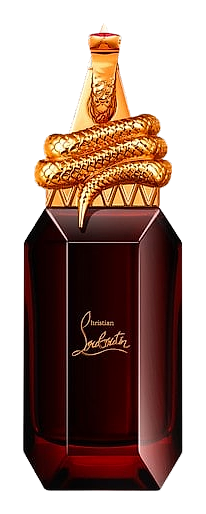
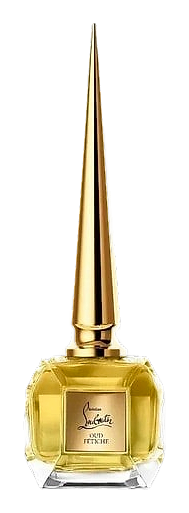
Christian Louboutin, the French fashion house best known for its red‑sole shoes, entered the fragrance world in 2015 with the Loubiworld collection. The line translates the brand’s love of colour, drama and travel into scent, offering everything from the woody oud of Oud Fétiche (2026) to the floral romance of Fétiche La Rose (2025). Each perfume carries the same bold confidence that defines the shoes, inviting wearers to step into a world of glamour and daring elegance.
Heritage
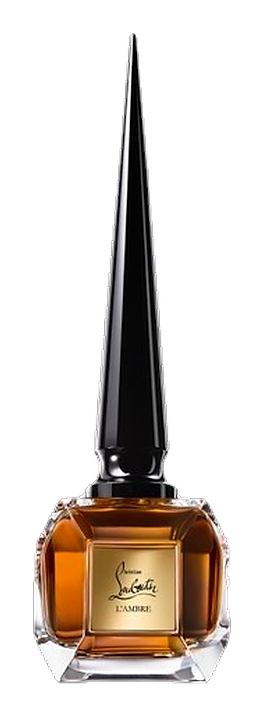
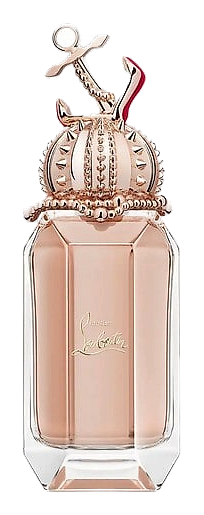
Christian Louboutin opened his first boutique on Rue Jean‑Jacques Rousseau in Paris in 1991, after years of designing for other fashion houses. The shop’s red‑stamped soles quickly attracted celebrities and set a new standard for luxury footwear. Throughout the 1990s and 2000s the brand expanded globally, adding handbags, accessories and a ready‑to‑wear line while keeping the signature red sole as its visual anchor. In 2015 the designer partnered with fragrance specialist Puig to launch Loubiworld, his first foray into perfumery. The collaboration gave the brand access to seasoned perfumers and a distribution network that matched its international reach. Since that debut, Louboutin has released a steady stream of scents, including Loubirouge (2020), Loubikiss (2020), and a series of Fétiche fragrances that explore oud, amber, sandalwood and rose. Each launch reflects the designer’s habit of traveling to distant markets – from Egypt to Portugal – and translating those experiences into olfactory stories. The house continues to celebrate milestones such as the limited‑edition Loubidoo Rose Eau de Parfum (2023) and the 2024 release of Fétiche L’Ambre, reinforcing its reputation for bold, travel‑inspired creations while staying rooted in the Parisian atelier that sparked the original red‑sole revolution.
Craftsmanship
The fragrance line is produced under Puig’s manufacturing umbrella, which supplies state‑of‑the‑art labs in France and Spain. Louboutin selects perfumers on a project‑by‑project basis, allowing each scent to benefit from a fresh creative perspective. For Oud Fétiche, the team sourced rare agarwood from Laos, testing multiple grades before choosing a sustainably harvested batch that offered depth without overpowering sharpness. The rose in Fétiche La Rose comes from Bulgaria’s Rose Valley, where growers employ traditional steam‑extraction methods that preserve the flower’s natural sweetness. Ingredients such as Indian sandalwood, Moroccan ambergris substitutes and Egyptian jasmine are blended in small‑batch vats, where temperature and humidity are tightly controlled to maintain consistency. Quality control includes blind panel testing and third‑party laboratory analysis to verify concentration levels and allergen compliance. Bottles are hand‑finished in France, with each cap polished to a mirror shine before being lacquered in the brand’s iconic red hue.
Design Language
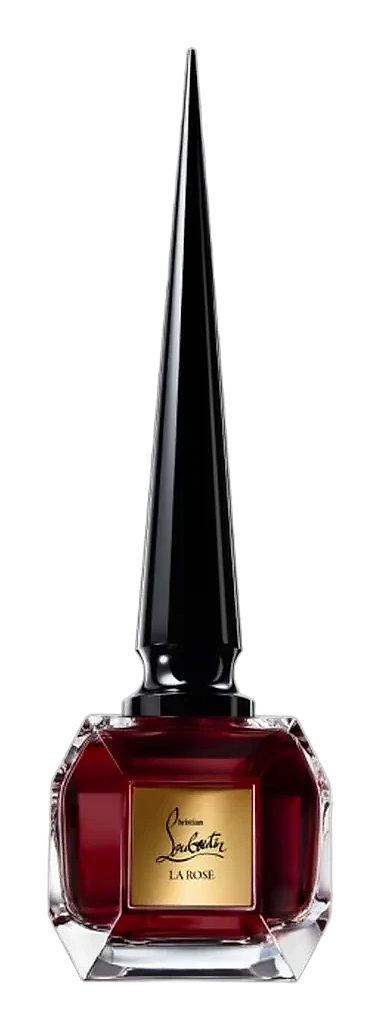
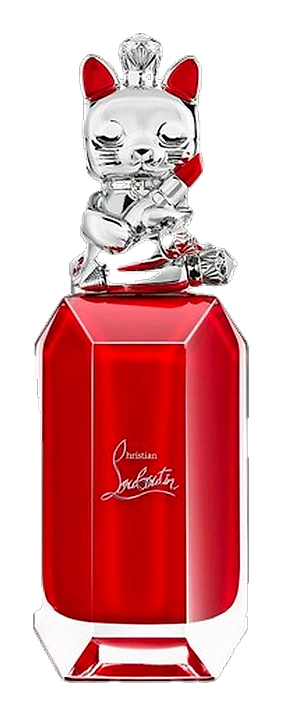
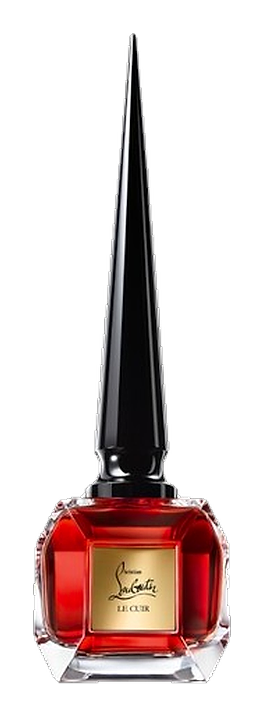
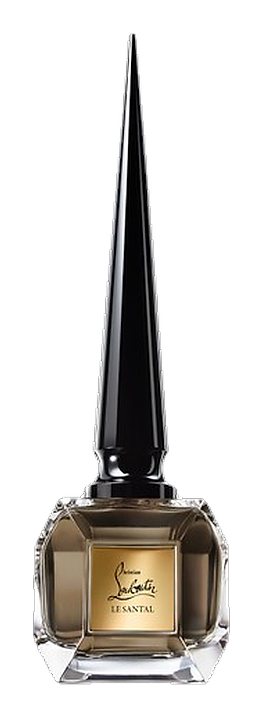
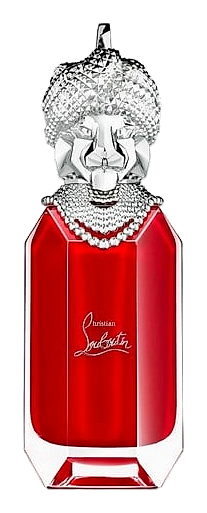
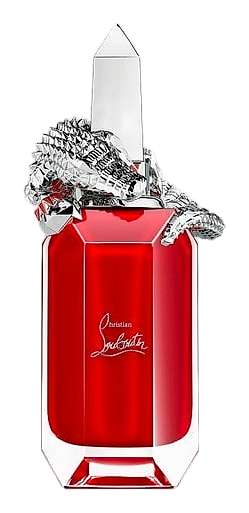
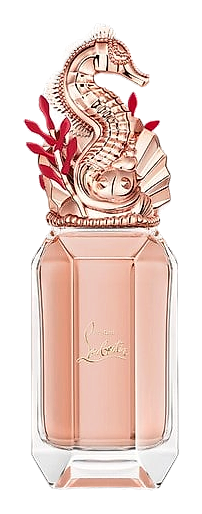
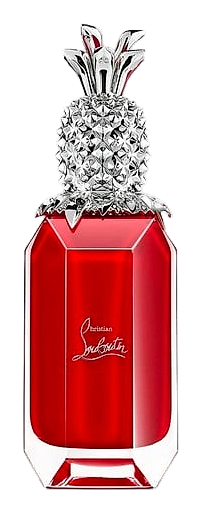
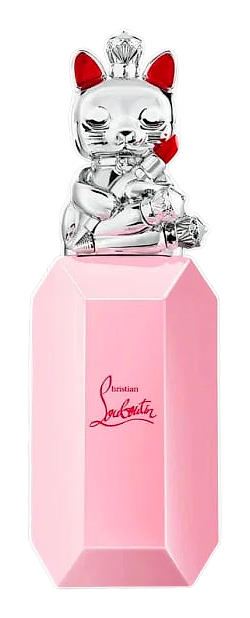
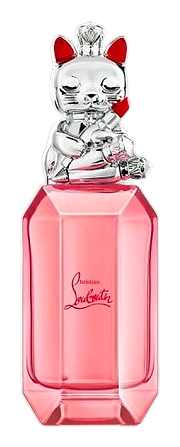
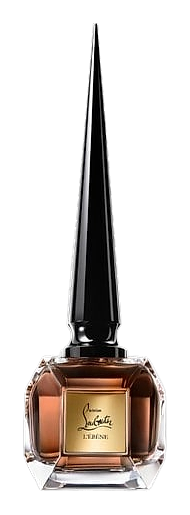
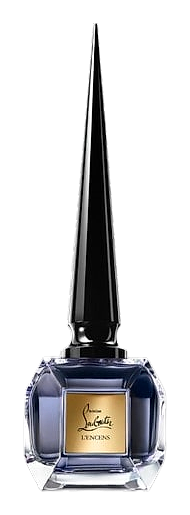
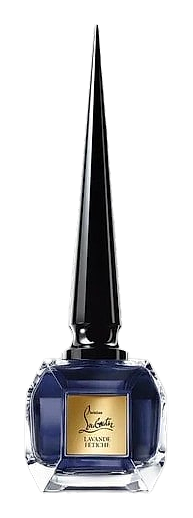
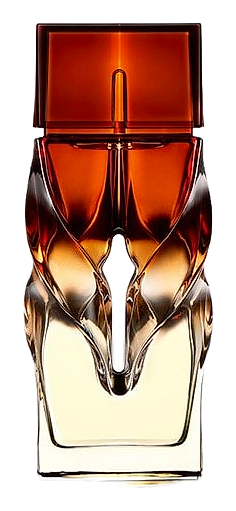
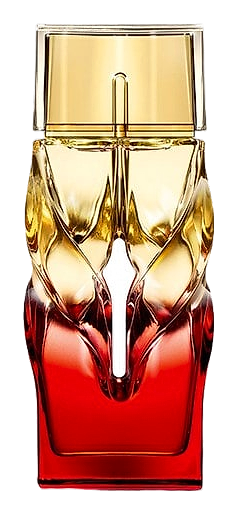
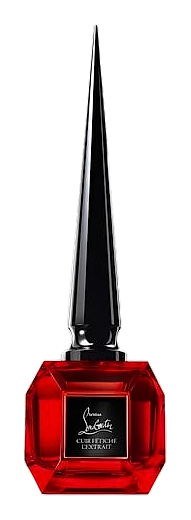
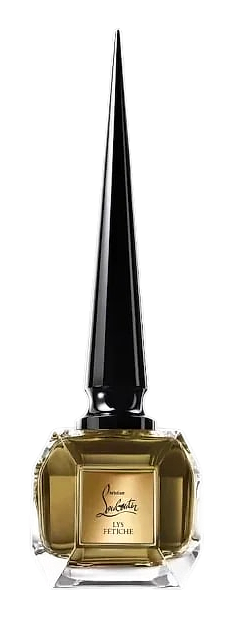
Louboutin’s visual identity revolves around the red sole, and the perfume bottles echo that motif. Each bottle features a sleek, rectangular silhouette capped with a glossy red lacquered heel that mirrors the designer’s famous shoe detail. Gold‑tone lettering spells the fragrance name, while the glass itself is clear, allowing the colour of the liquid – from deep amber in Fétiche L’Ambre to soft pink in Loubidoo Rose – to become part of the design story. The packaging often includes a black‑on‑white inner sleeve that showcases the brand’s minimalist logo and a brief description of the scent’s inspiration. Retail displays use mirrored surfaces and soft lighting to highlight the red caps, creating a dramatic visual that aligns with the house’s runway aesthetic. The overall look balances modern minimalism with a touch of theatrical flair, reinforcing the brand’s reputation for bold, instantly recognizable style.
Philosophy
Louboutin treats fragrance as an extension of his visual language. He believes scent should make a statement as loudly as a red heel on a runway. The brand draws on the designer’s love of travel, colour and theatricality, turning each perfume into a narrative of place and mood. Sustainability entered the conversation in 2022 when the house began auditing raw‑material sources and prioritising ingredients harvested with minimal environmental impact. Louboutin also values craftsmanship; he works closely with perfumers to ensure that every accord reflects the brand’s signature blend of sensuality and edge. The result is a collection that feels both luxurious and approachable, inviting wearers to express confidence without compromise.
Key Milestones
1991
Christian Louboutin opens his first Paris boutique on Rue Jean‑Jacques Rousseau, introducing the red‑sole shoe.
2015
Louboutin partners with Puig and launches the Loubiworld fragrance collection, marking the brand’s entry into perfumery.
2020
Release of Loubirouge, a warm, spicy fragrance that expands the house’s scent portfolio.
2021
Loubikiss debuts, featuring a blend of citrus and floral notes inspired by Mediterranean travels.
2024
Fétiche L’Ambre arrives, highlighting amber sourced from the Middle East and showcasing the brand’s focus on sustainable sourcing.
2026
Oud Fétiche launches, using rare agarwood from Laos and reinforcing Louboutin’s commitment to exotic, high‑quality ingredients.
At a Glance
Brand profile snapshot
Origin
France
Founded
1991
Heritage
35
Years active
Collection
1
Fragrances released
Avg Rating
3.7
Community sentiment
Release Rhythm


