The Story
Why it exists.
The beginning
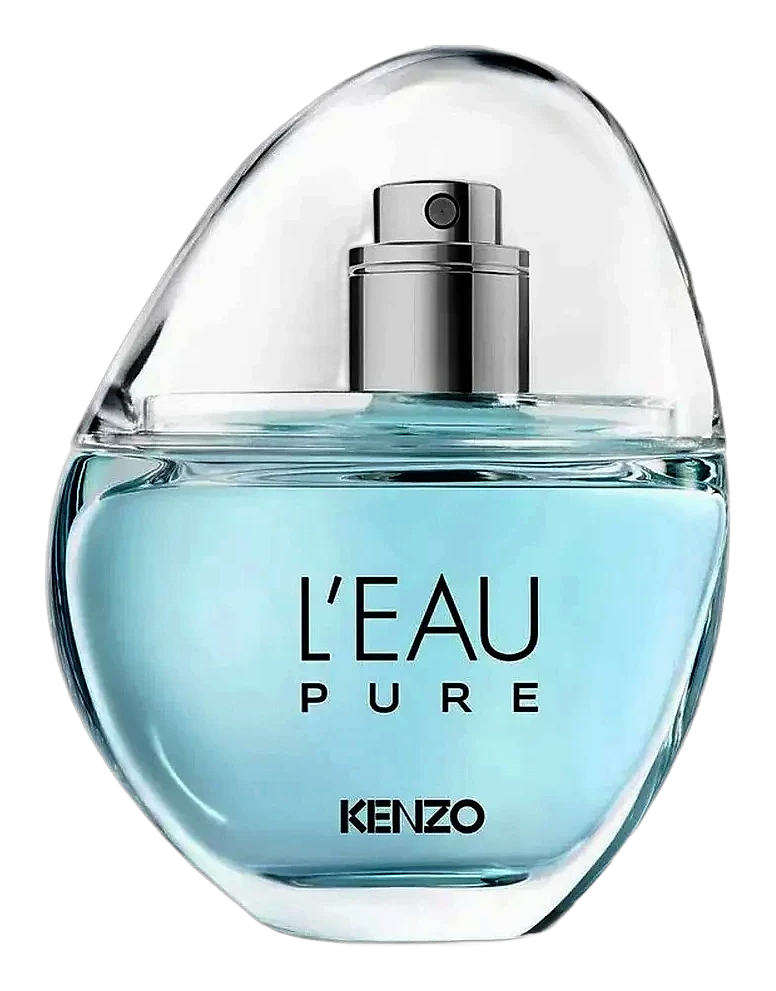
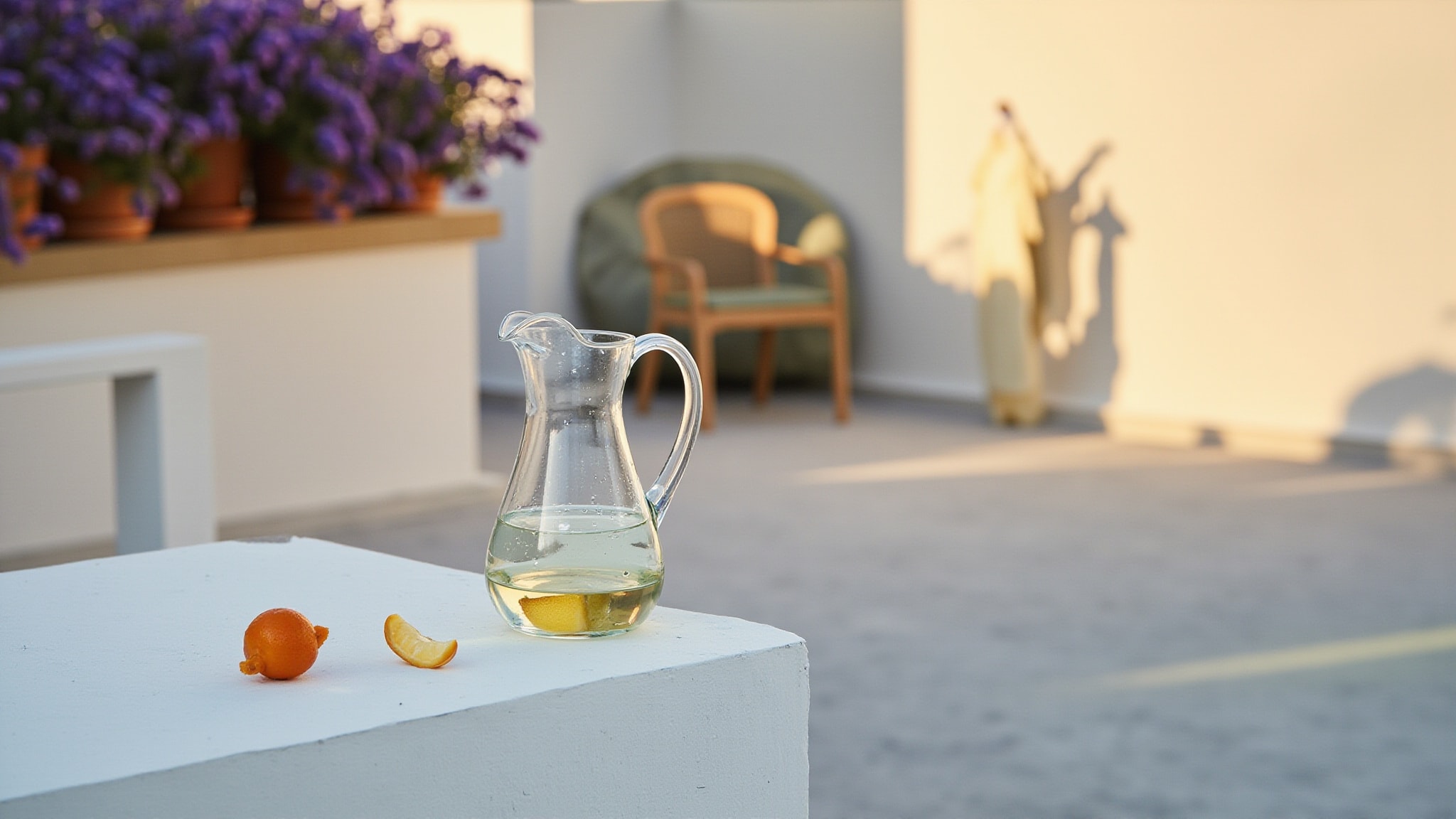
Kenzo Takada built a house on the belief that fashion could be joyful. In 1970 he arrived in Paris carrying that conviction and never let it go. Flower became the house's defining work, a scent built around a paradox: the scent of a flower that refuses to bloom. L'Eau Pure, the 2025 expression of that ongoing conversation, takes its name from another paradox: water has no color, so Kenzo imagined it infused with fruits, flowers, freshness, and joy. Daphné Bugey received that brief and understood immediately what was being asked of her. She built a fragrance that begins clear and stays clear, resisting the industry's tendency to complicate. The composition she delivered uses mandarin and lemon to anchor the opening, aquozone and white provençal lavender to define the heart, and sandalwood with musk to close. Every material serves a purpose.
The note philosophy here prioritizes transparency at every stage. The opening uses citrus to establish immediate clarity. The heart uses ozonic and floral materials to sustain that clarity while adding complexity. The base uses wood and skin notes to ground what might otherwise feel weightless. Daphné Bugey has spoken about working with materials that do not shout, and that restraint is audible in the finished composition. L'Eau Pure pairs well with anything clean and uncluttered in the morning, a linen shirt, an uncomplicated routine, a day that has not yet demanded anything complicated from you.
The evolution
L'Eau Pure begins with mandarin and lemon, two citrus materials chosen for their transparency rather than their sweetness. Mandarin provides a rounded, zesty brightness that feels sun-warmed. Lemon delivers a sharper, more tart lift that cuts through and keeps the opening awake. Neither lingers unnecessarily. The heart takes over when the citrus begins to recede, introducing aquozone as a bridge between the bright opening and the deeper base. Aquozone carries a mineral quality that recalls sea air at a distance, clean and expansive. White provençal lavender softens the aquatic note without adding sweetness, keeping the mid-section calm and aromatic. As the fragrance moves into its final phase, sandalwood emerges as the primary base material, its creamy wood character providing contrast to what came before. Musk seals the composition as a quiet skin note, present but understated. The arc is linear by design, each phase giving way cleanly to the next.
Cultural impact
Kenzo's L'Eau Pure arrives at a cultural inflection point where fragrance consumers increasingly prioritize transparency and natural origins over complex layering. The 2025 release of L'Eau Pure marks Kenzo's commitment to sustainable luxury with its 91% natural-origin composition, appealing to environmentally conscious consumers. The fragrance channels the house's founder Kenzo Takada's vision of water infused with fruits and flowers, translating his optimistic philosophy into modern scent form. Its gender-neutral positioning reflects broader industry shifts toward inclusivity and away from traditional masculine-feminine binaries.