White provençal lavender
White Provençal lavender distills the soul of France's legendary purple fields into a cleaner, more crystalline expression. This elevated cultivar carries lavender's signature herbaceous freshness with remarkable subtlety, making it prized among perfumers seeking refined aromatic depth.
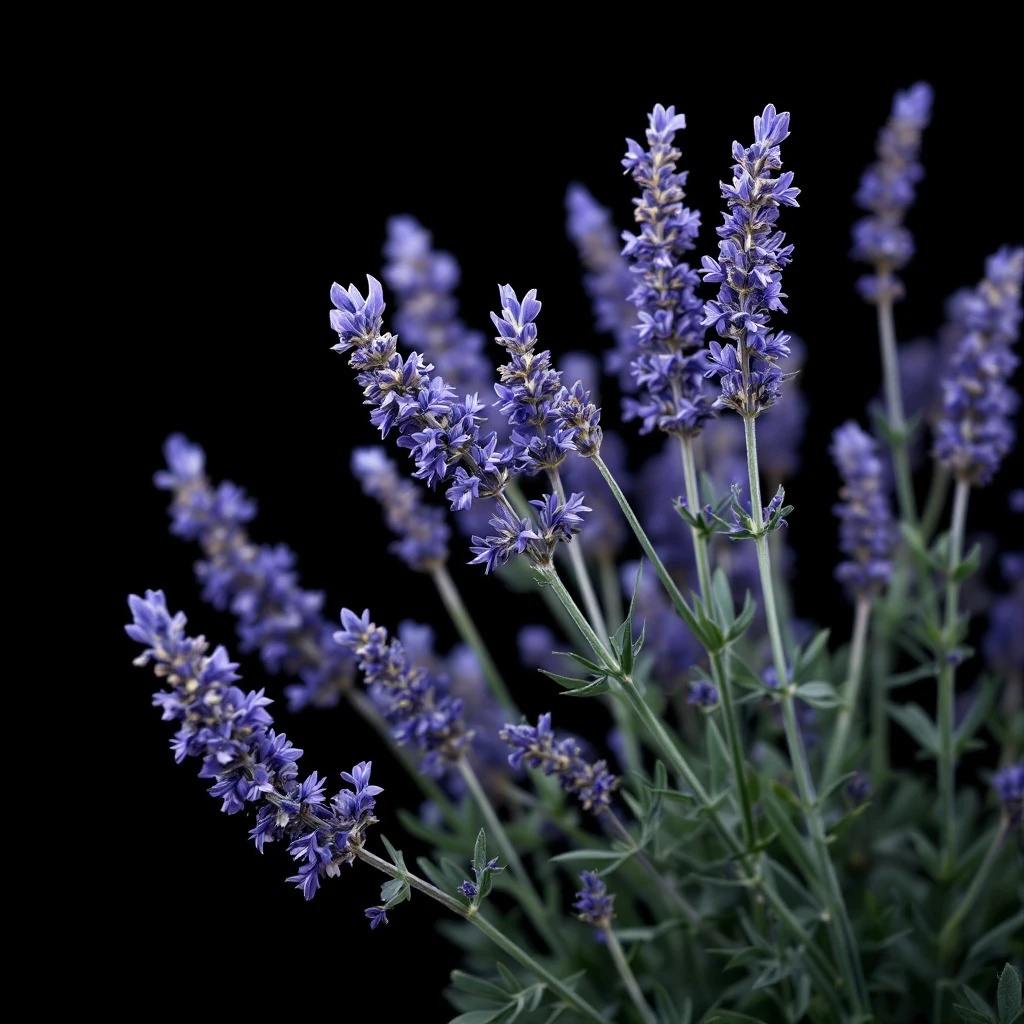
Character
How it smells
Provence's purest lavender expression.
White lavender is a rare naturally occurring variety, accounting for less than 3% of total lavender production in Provence.
Pairs beautifully with




Origin
France
Lavender has graced the Mediterranean basin for over 2,500 years. Ancient Egyptians employed it in perfumes and incense formulations, while the Greeks and Romans adopted it widely for its therapeutic and aromatic properties.
The word itself derives from the Latin 'lavare,' meaning to wash, reflecting its historical role in bathing rituals and religious purification ceremonies. Greeks introduced lavender cultivation to the Provence region, where the Mediterranean climate and limestone-heavy soils created ideal growing conditions.
By medieval times, Provençal monks had refined cultivation techniques in monastery gardens. The region's lavender industry however truly flourished in the nineteenth century when perfume houses in nearby Grasse began sourcing locally, cementing lavender's place as a cornerstone of French perfumery.
Wears it best
Fragrances featuring White provençal lavender
Brands
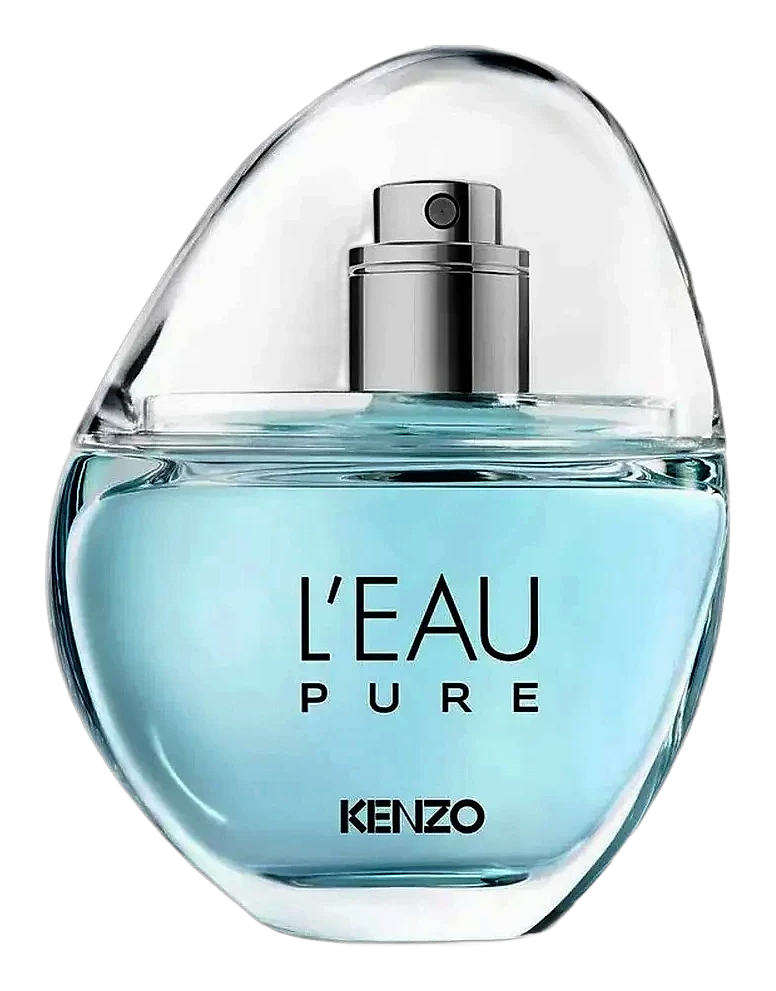
Brands known for White provençal lavender
Good to know
Questions, answered
The essentials on White provençal lavender in perfumery: how it smells, where it comes from, and how it behaves on skin.
What makes White Provençal lavender different from common lavender?
White lavender is a naturally occurring cultivar with a lighter, more refined aromatic profile. It produces cleaner, less camphoraceous notes and a more ethereal scent compared to standardLavandula angustifolia.
Why is Provençal lavender considered superior in perfumery?
The region's specific terroir, including calcium-rich limestone soils, high altitude plateaus, and Mediterranean climate, creates optimal conditions for developing lavender's most prized aromatic compounds.
How is lavender essential oil extracted from White Provençal lavender?
Steam distillation separates volatile aromatic compounds from freshly harvested flower spikes using controlled temperature and pressure, producing pure essential oil without solvent residue.
What fragrance family does White Provençal lavender belong to?
It serves as a versatile aromatic and fougère component across men's and women's fragrances, providing fresh, herbaceous top notes that blend exceptionally well with citrus, woods, and floral materials.
Is White Provençal lavender sustainable?
Many Provençal producers practice traditional growing methods with manual harvesting and natural cultivation, though sourcing from certified organic operations ensures minimal environmental impact.
What harvest time produces the highest quality White Provençal lavender oil?
Peak harvest occurs at dawn during late June to early July when flower spikes reach full bloom and essential oil concentration measures highest.
Does White Provençal lavender contain any synthetic ingredients?
True lavender essential oil is entirely natural, sourced from steam distilled Lavandula angustifolia cultivars grown in the Haute-Provence region.
What duration of harvest contributes to White Provençal lavender's scent profile?
Mature plants require steady regrowth between harvests to develop full aromatic complexity, with individual plants remaining productive for approximately ten years.