The Story
Why it exists.
The beginning
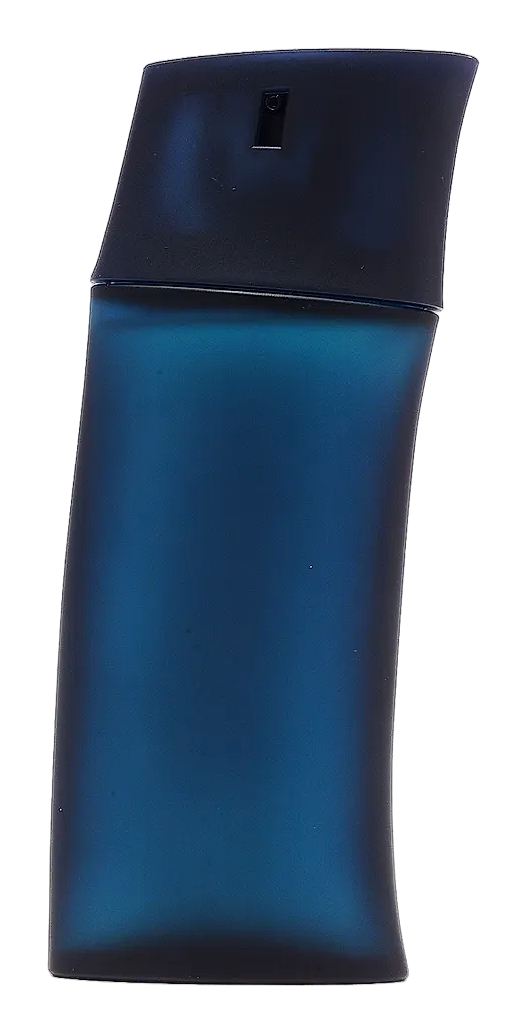
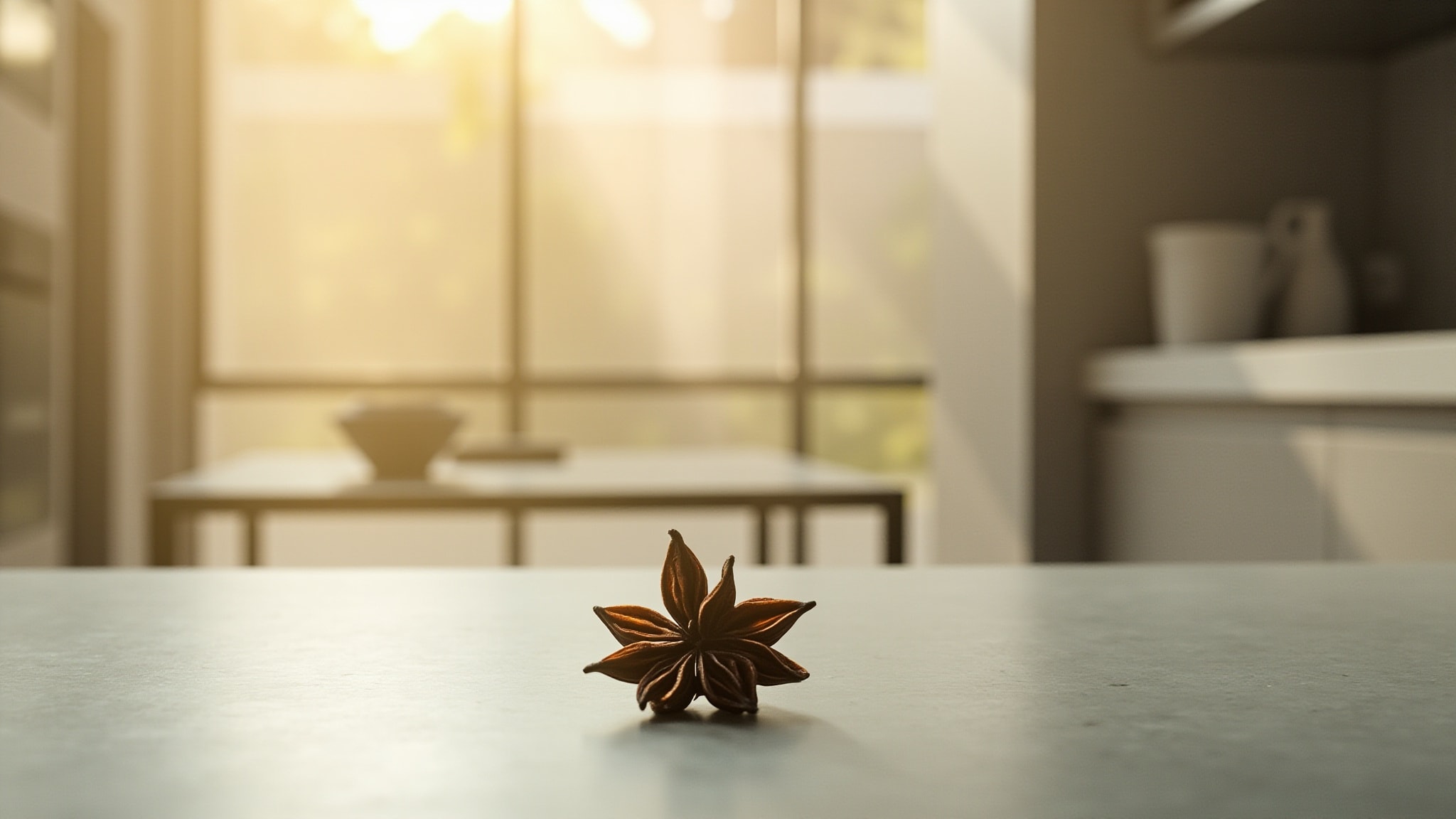
In 2003, Kenzo asked a question most houses never bother with: what does air smell like? Not the ocean, not rain, not ozone, actual air. The invisible medium you live inside. Maurice Roucel took the brief and stripped it down to almost nothing. Star anise, bergamot, angelica. Vetiver. A handful of materials doing simple work. The brief wasn't about complexity. It was about capturing something you can't hold.
What makes Air interesting isn't what it has, it's what it doesn't. Roucel built the composition around anise and vetiver, two materials that rarely share a fragrance without fighting. Here they coexist quietly, the anise lending a faint licorice warmth while the vetiver keeps everything grounded. One review notes the formula is nearly half Iso E Super, a synthetic that typically reads flat and sterile. Somehow on skin it doesn't. The simplicity is the point, not the limitation.
The evolution
The opening arrives crisp, bergamot and angelica lifting the top notes with something almost transparent. No fanfare. Twenty minutes in, the anise takes over: not aggressive, just present, like someone standing slightly closer than expected. The heart belongs to vetiver, earthy and dry, a material that smells like the memory of soil rather than soil itself. By hour three, the composition tightens. What was airy becomes intimate, close to the skin, almost a skin scent. The longevity holds for six to eight hours on most, solid for an EDT that weighs almost nothing.
Cultural impact
Air arrived in 2003, a decade when masculine fragrances were still caught between power and restraint. Air didn't choose a side, it sidestepped both. The anise-vetiver pairing is unusual enough to attract attention, mild enough to never alienate. Some wearers describe it as the scent of someone who walks into a room and doesn't need to announce themselves. Others note it fades faster than they'd like. The debate is part of the appeal.