
The Story
Why it exists.
The beginning
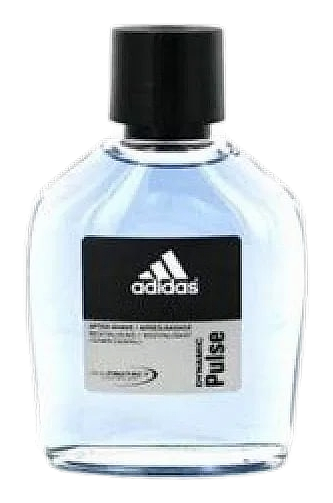
Dynamic Pulse landed in 1997, a moment when athletic brands were translating their identity into everything from sneakers to soap. Philippe Bousseton approached it like a training plan: what does a guy actually want to smell like after a run, before a meeting, on a Saturday? Not complicated. Just clean, present, and unapologetic. The name says it all. Pulse as in heartbeat. Pulse as in the rhythm of getting through the day.
What makes Dynamic Pulse work is its refusal to overreach. The mint isn't a gimmick; it's the cool-down. The citrus isn't decorative; it's the energy before the workout. Cedar and tonka bean don't try to make this smell expensive, they just make it smell finished. The result is a fragrance that knows exactly what it is and commits to it completely.
The evolution
The opening hits fast. Mint and citrus arrive together, sharp and immediate, like opening a window in a stuffy room. Within minutes the green notes take over, herbal and almost crisp in a way that feels athletic without trying to smell like a locker room. The heart settles into something softer, floral notes peek through the cedar, but they don't take over. They just round things out. The drydown is where tonka bean does its work, adding a whisper of warmth that keeps this from feeling too austere. It doesn't project far, but it lasts a solid workday on most skin. By hour five, it's a skin scent, close, intimate, the kind of thing someone notices only if they're standing next to you.
Cultural impact
Dynamic Pulse exists in a category of its own: the affordable classic that people keep coming back to. It's not trying to compete with anything designer or niche. It's just doing its job, smelling good, lasting a workday, costing less than a tank of gas. And in that simplicity lies its cult status. Some fragrances are meant to be collected. This one is meant to be worn.