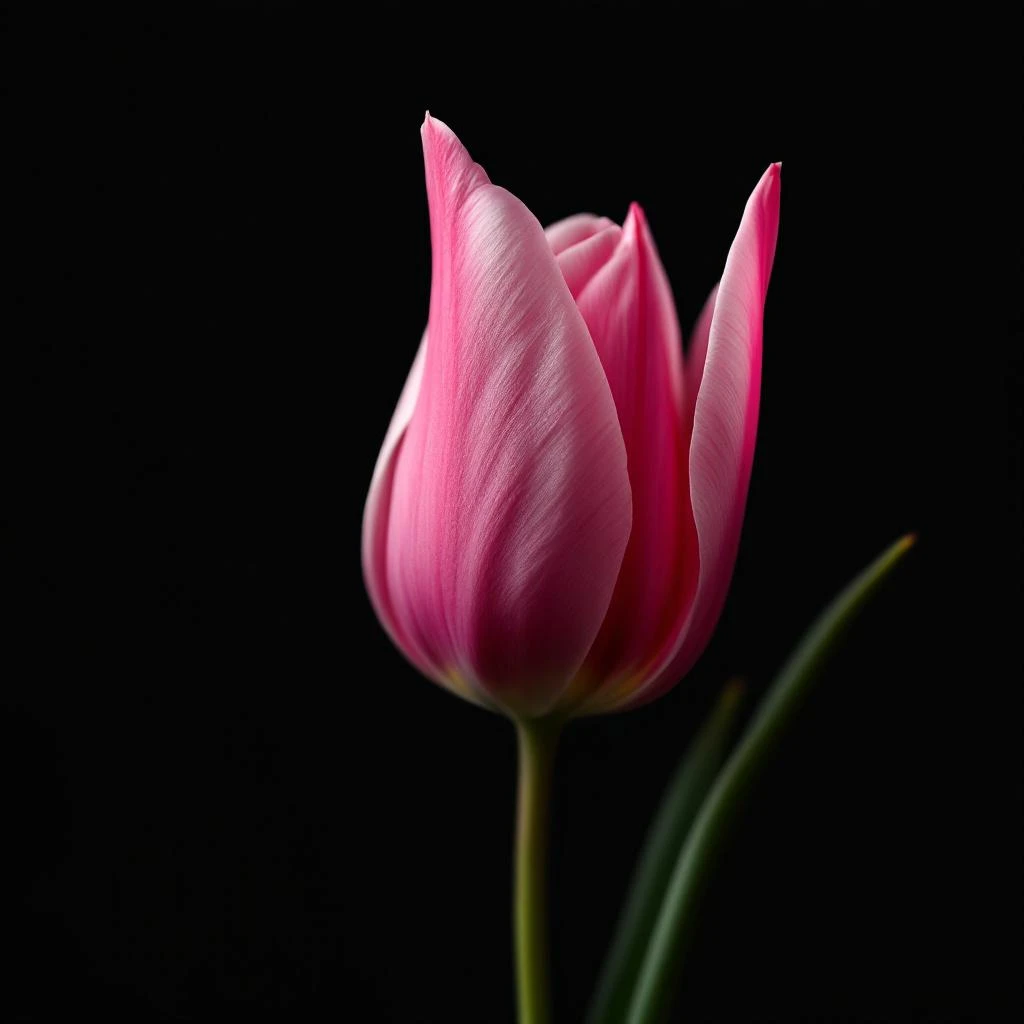
Pink Tulip
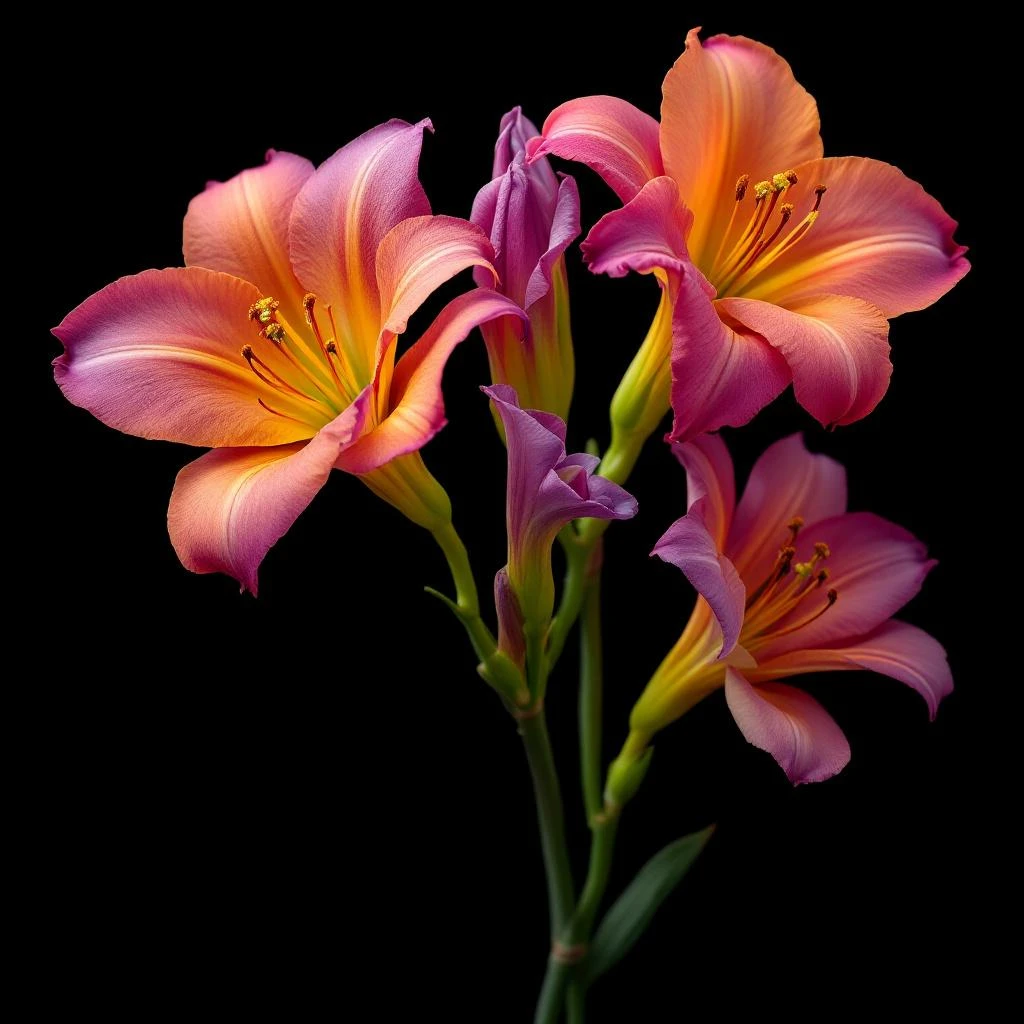
Pink Tulip brings a fresh, green, and subtly sweet floral presence to fragrance that feels entirely its own. Unlike roses or jasmine, this note carries an androgynous edge with crisp, waxy facets that set it apart in modern perfumery. Re-created rather than extracted, it offers something genuinely different.
Character
How it smells
The tulip that refuses to be ordinary.
During 17th-century Tulipomania, single bulbs traded for more than Amsterdam canal houses, yet no one thought to distill the flower itself.







Origin
Netherlands
Few flowers carry as much historical weight as the tulip. In the 1630s, Tulipomania swept through the Netherlands when demand for variegated bulb varieties created the world's first speculative financial bubble.
That striped appearance, once prized above all else, resulted from a viral infection. Today, tulips remain underrepresented in perfumery.
Rudolf Friedman devoted precisely one page to the flower in his book Perfumery, describing it as saffron over lily with hints of honey and tobacco, and noting the neglect seemed undeserved. Perfumers now recognize what the market bubble once suggested: the tulip holds genuine intrigue, offering something between green freshness and warm complexity that mainstream florals cannot match.
Wears it best
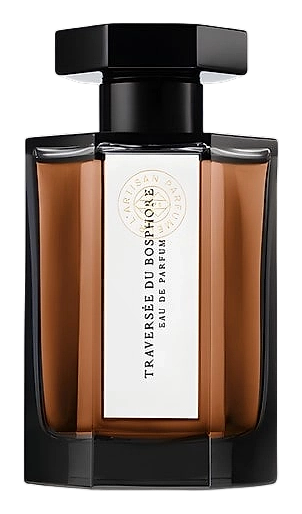
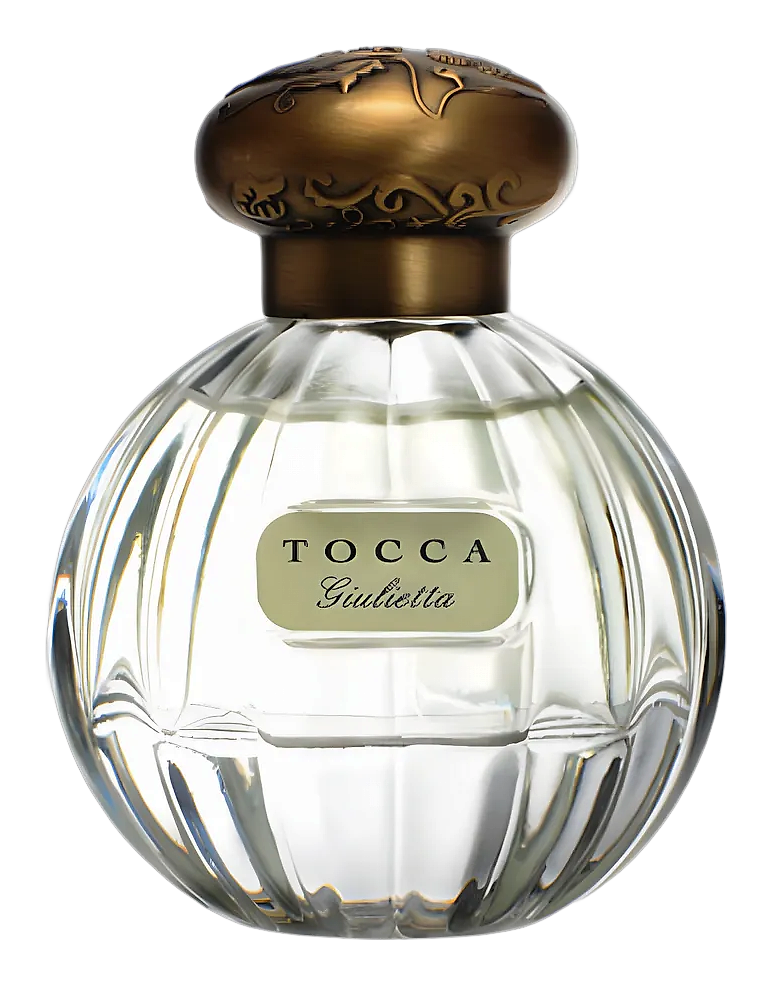
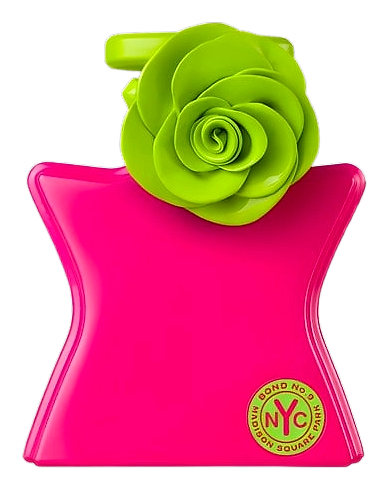
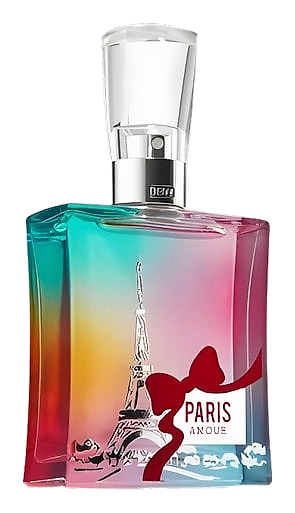
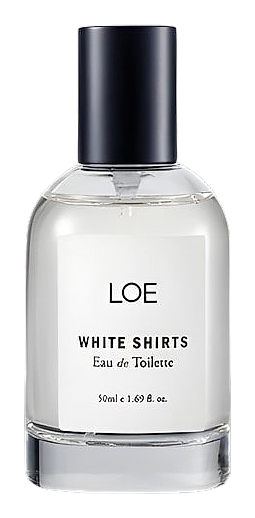
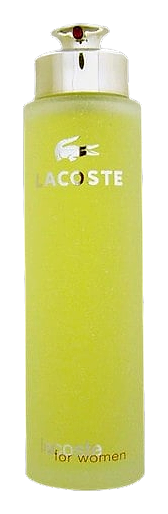
Fragrances featuring Pink Tulip


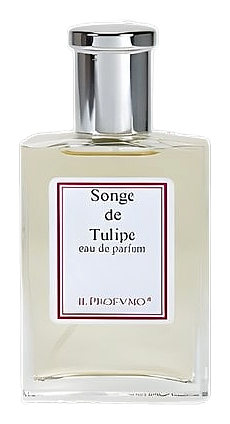
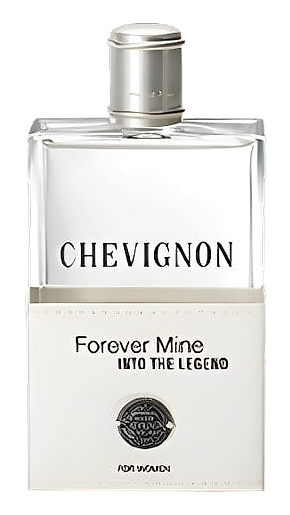
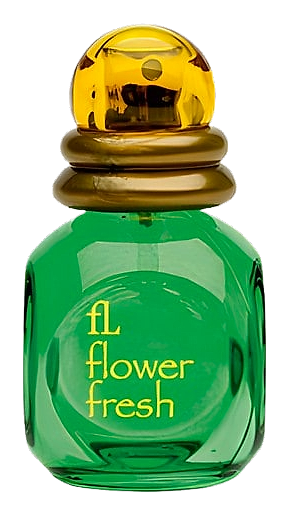
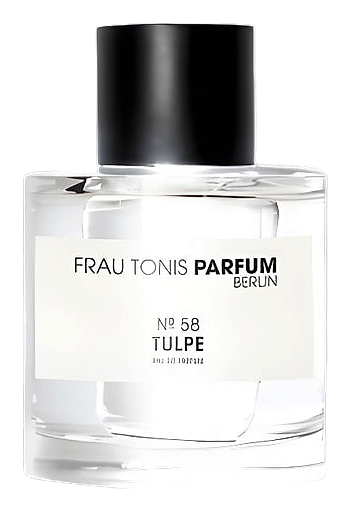
Brands
Brands known for Pink Tulip
Good to know
Questions, answered
The essentials on Pink Tulip in perfumery: how it smells, where it comes from, and how it behaves on skin.
Is Pink Tulip a natural or synthetic ingredient in perfumery?
Pink Tulip is synthetic. Tulips produce no extractable essential oil, so perfumers reconstruct the note using headspace analysis data combined with other materials that mirror the flower's green, waxy, and honeyed character.
What does Pink Tulip smell like in a fragrance?
Pink Tulip reads as fresh, green, and slightly sweet with waxy petals and a crisp finish. It differs from powdery florals by maintaining an androgynous edge that feels contemporary rather than classic.
Why is Pink Tulip so rare in perfumery?
Tulips resist traditional extraction methods. Only 0.2% of modern fragrances feature tulip notes, making it one of the least commonly used florals despite centuries of cultural fascination.
What is Tulipomania and why does it matter for perfumery?
Tulipomania was a 1630s Dutch speculative bubble where single tulip bulbs sold for高于 houses. This historical obsession with tulips predates their use in fragrance, where they remain curiously underutilized.
Can natural tulip absolute be extracted?
No commercial tulip absolute exists. CO2 extracts from tulip flowers exist for research but smell less like the living plant than properly reconstructed synthetic notes.
What notes pair well with Pink Tulip in fragrance composition?
Pink Tulip works with green notes like galbanum, crisp ozonics, and supporting florals such as lily of the valley. It holds particular appeal for consumers seeking modern florals with sharper, less powdery character.
Which fragrance families commonly use Pink Tulip?
Pink Tulip appears primarily in contemporary floral and green fragrance families. It suits unisex compositions and modern导向 scents seeking alternatives to traditional rose or jasmine profiles.
Is there a historical reference for what tulip actually smells like?
Perfumer Rudolf Friedman described tulip as saffron over lily with honey and tobacco undertones. Modern reconstructions aim to capture this green-to-warm progression using contemporary analytical techniques.