The Story
Why it exists.
The beginning
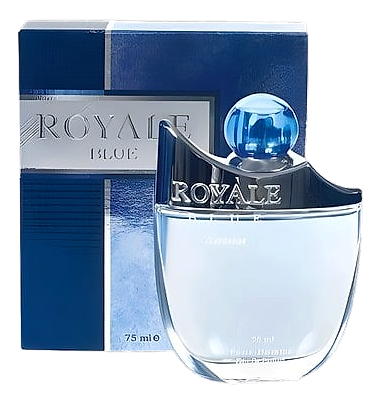
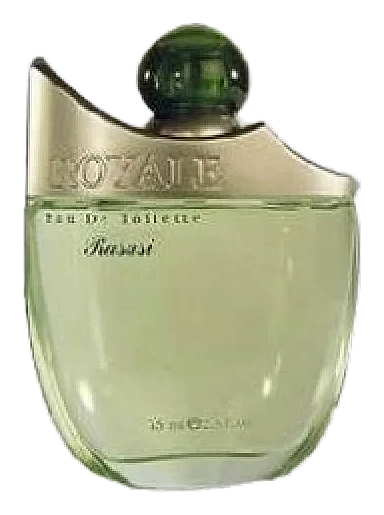
Rasasi built its name on concentrated perfume oils rooted in Middle Eastern tradition, oud, amber, saffron, musk. The Royale concept takes that understanding of long-lasting, skin-close fragrance and translates it into the fougère register that Western men's fragrance has always respected. The name says it plainly: Royale. Not a whisper. An arrival. Rasasi approached this composition as an exercise in confidence, taking the structural elements of a classic aromatic fougère and executing them with the house's signature density. The result is a fragrance that wears its references honestly, built to last rather than to project across a ballroom.
What makes Royale structurally interesting is the way the pyramid refuses to rush. Lavender and geranium open together, a dual-herb introduction that most Western designers would smooth into citrus or fruit to modernize. Rasasi keeps them raw. The cedar heart arrives without apology, and cinnamon's warmth arrives quietly but stays longer than expected. The base is where Rasasi's attar DNA shows: moss and patchouli anchor the composition the way a base note should, slow, deliberate, refusing to be background music. Musk and amber don't perform. They hold everything in place for eight to ten hours. This is a pyramid designed by people who understand that staying power is the whole point.
The evolution
The opening is immediate. Lavender arrives first, not the soft lavender of relaxation, the sharp kind, green-stem and slightly camphoraceous. Geranium follows within seconds, lending a rosy-herbaceous lift that prevents the whole thing from going too medicinal. You're in familiar territory here: this is the fougère opening that Drakkar Noir made famous in 1982, and Royale doesn't pretend otherwise. Within fifteen minutes, the heart takes over. Cedar asserts itself as the dominant voice, dry and pencil-shaving precise. Cinnamon sneaks in from the side, not the cinnamon of mulled wine, but the warm spice of something worn-in. This middle phase is where the fragrance earns its 'woody' classification in the accord data. The green notes haven't disappeared, but they've retreated to the periphery. Two hours in, the drydown arrives and doesn't leave in a hurry. Moss and patchouli form a dense, earthy base that's neither sweet nor aquatic. Musk threads through amber like a pulse.
Cultural impact
Royale occupies an interesting position in the landscape of men's fragrance, it's widely recognized as an homage to Drakkar Noir, the 1982 Guy Laroche powerhouse that defined the fougère genre for a generation. Where Drakkar Noir has become a collector's piece, often priced beyond its original intent, Royale delivers the same aromatic structure, lavender, cedar, moss, at a fraction of the cost. This positions it as the confident choice rather than the aspirational one. Wearers who gravitate to it tend to be men who know their fragrance history and prefer substance over image. The reception is consistent: it's praised for longevity, criticized by those who find the fougère register dated, and sought out by anyone building a collection around classic masculine archetypes.