The Story
Why it exists.
The beginning
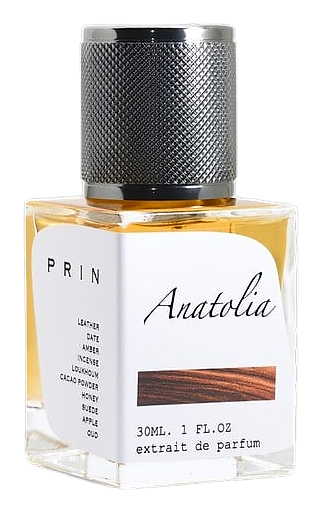
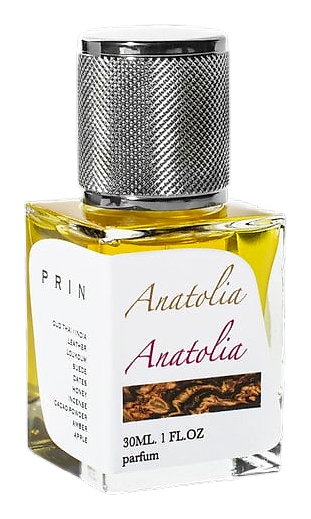
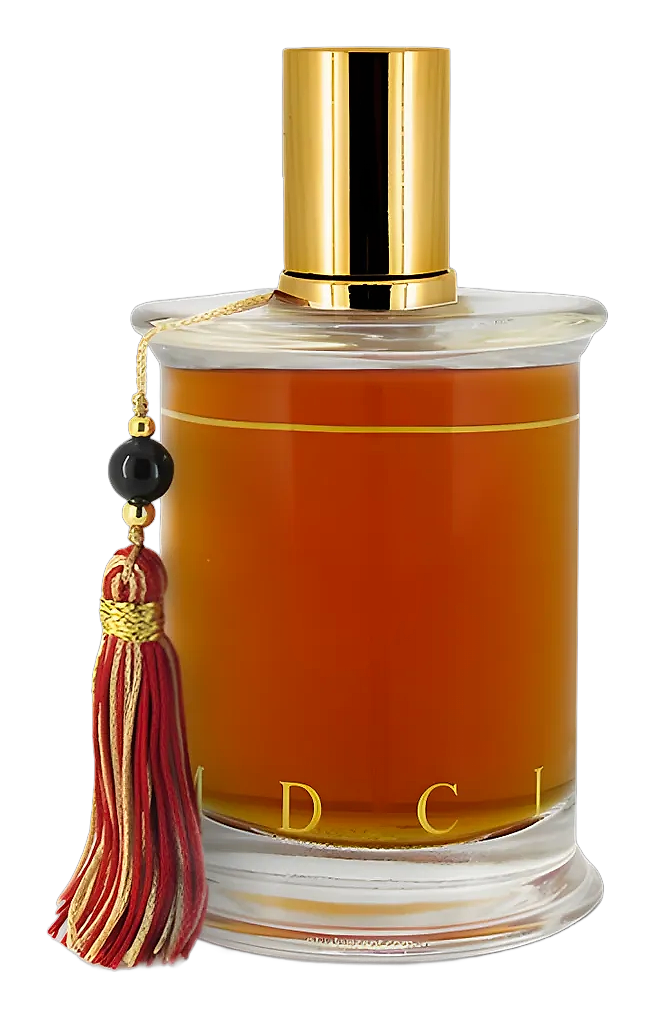
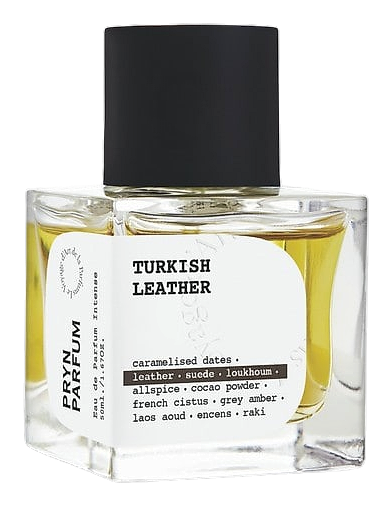
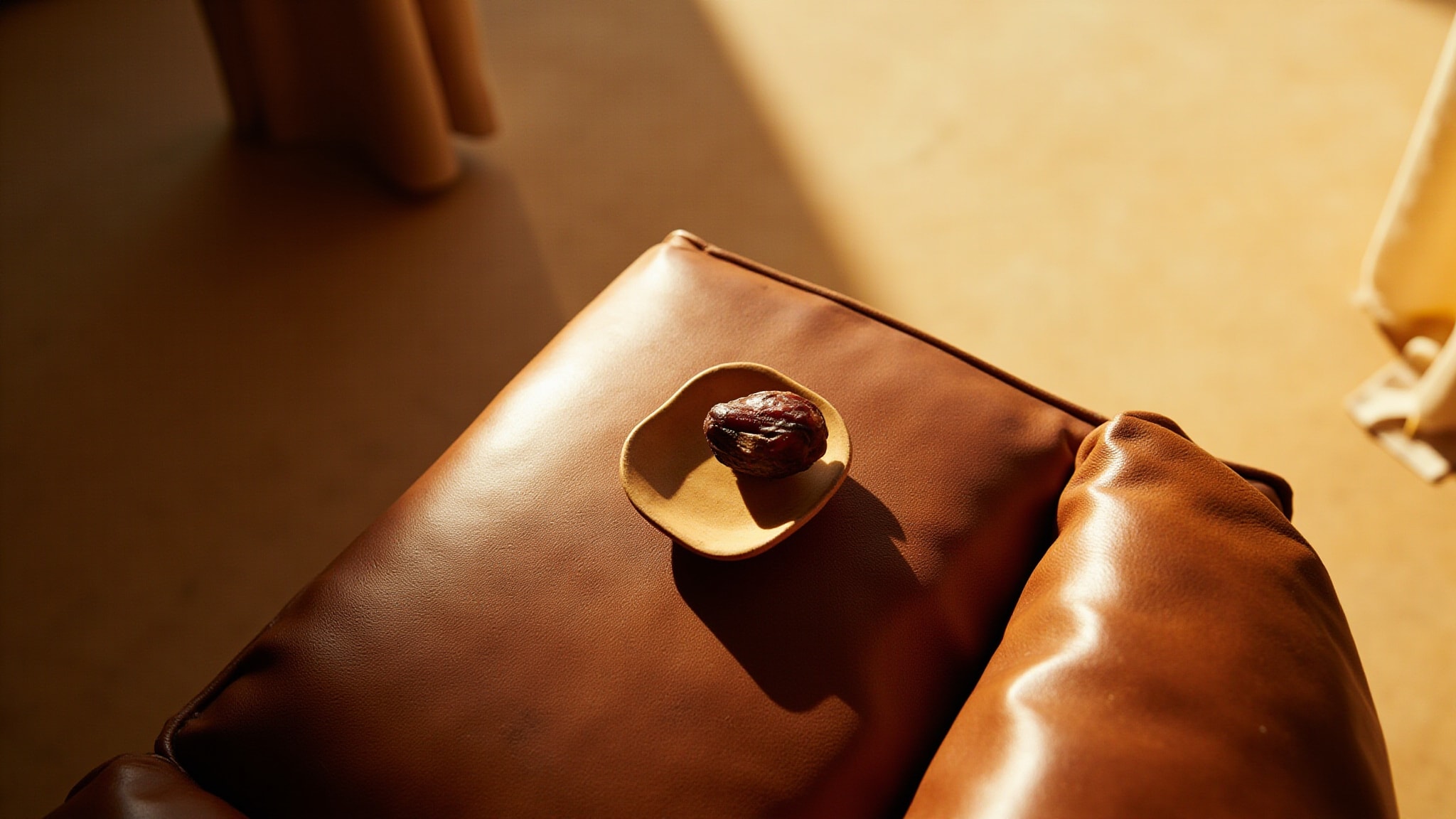
Turkish Leather doesn't reach for Constantinople's tourist postcard. It reaches for the city where West meets East and the streets smell like raki, incense, and leather all at once. Prin Lomros built this around a contrast: the queen of Turkish dessert (loukhoum, rosewater and almond) meets the king of the desert (dates), then wraps both in suede and smoke. French cistus provides the leather accord, not synthetic mimics. The result translates a specific cultural collision into scent: the sweetness of a café table after the anise clears, the leather of the jacket on the chair beside it. This is Turkey without the postcard.
What makes Turkish Leather unusual is its refusal to choose between dessert and darkness. Most leather fragrances commit to one register, smoky, animalic, austere. This one opens sweet (loukhoum, dates, caramelized fruit) and gradually introduces smoke, oud, and incense underneath. The leather isn't the opening move. It's the foundation that everything rests on. Loukhoum and raki might sound like opposites, but in Turkey they're not, both are part of the same ritual, the same table. The composition mirrors that cultural logic. Labdanum and ambergris give the drydown its animalic warmth without tipping into aggression. Cacao powder keeps the sweetness grounded.
The evolution
The opening arrives like a Turkish café at noon, raki's anise sharpness, then sweetness: loukhoum, dates, something almost floral. Allspice flickers underneath. The first twenty minutes are surprisingly bright, almost playful. Then the leather arrives. Not aggressive, suede first, the soft kind, then French cistus taking over as the sweetness recedes. Smoke begins to thread through: frankincense, then oud. The two halves of the fragrance start talking to each other. By the third hour, leather and smoke are dominant. The sweetness is still there but it's working undercover now, keeping the smoke from getting too heavy. The drydown is where this fragrance earns its name. Leather and ambergris, close to skin, intimate but assertive. Labdanum adds a resinous animalic warmth that lingers.
Cultural impact
Turkish Leather occupies a specific corner of the leather fragrance world, sweet enough to feel approachable, smoky enough to feel earned. It's not for those who want a safe blind buy, but for collectors who want a leather that earns its dessert notes. The sillage makes it a statement fragrance for evening wear or cold weather. Apparently discontinued, it has only deepened its appeal among niche collectors who seek out rare finds.