    Brand Profile

    Pryn Parfum is a niche fragrance house based in France that crafts limited‑edition scents inspired by travel, history and rare raw materials…More

    France·Est. 2015·Site

    4.3

    Rating

    19
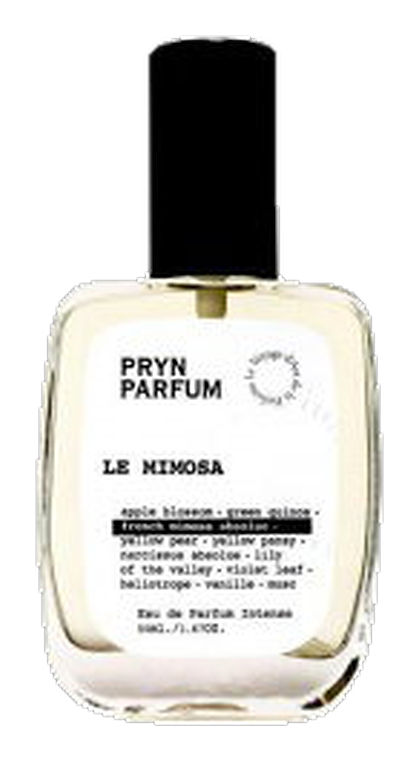
    Le Mimosa by Pryn Parfum
    Best Seller
    4.3

    Le Mimosa

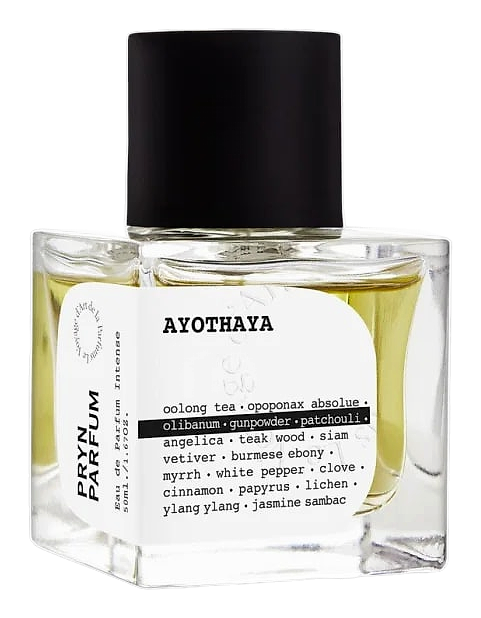
    Ayothaya by Pryn Parfum
    Best Seller
    4.6

    Ayothaya

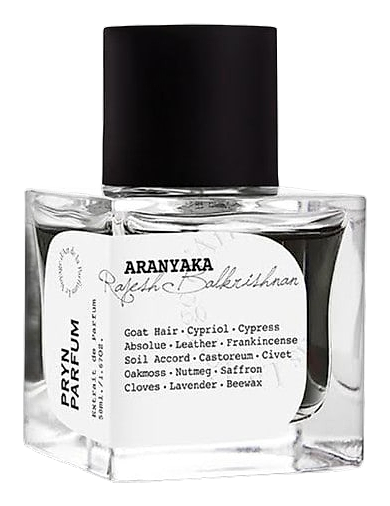
    Aranyaka by Pryn Parfum
    Best Seller
    4.4

    Aranyaka

    Lolita by Pryn Parfum
    4.3

    Lolita

    Jardin d'Iris by Pryn Parfum
    4.3

    Jardin d'Iris

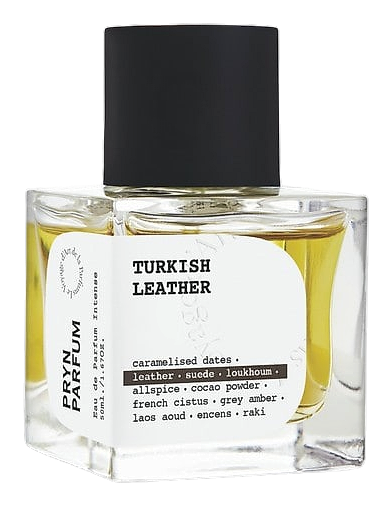
    Turkish Leather by Pryn Parfum
    4.3

    Turkish Leather

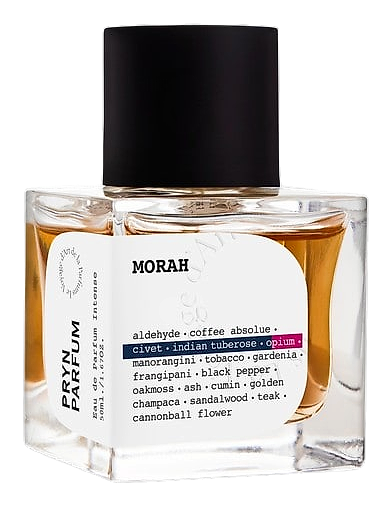
    Morah by Pryn Parfum
    4.2

    Morah

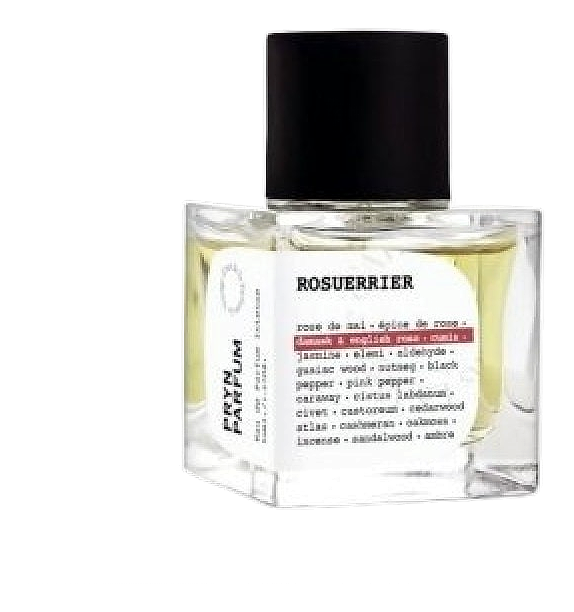
    Rosuerrier by Pryn Parfum
    4.1

    Rosuerrier

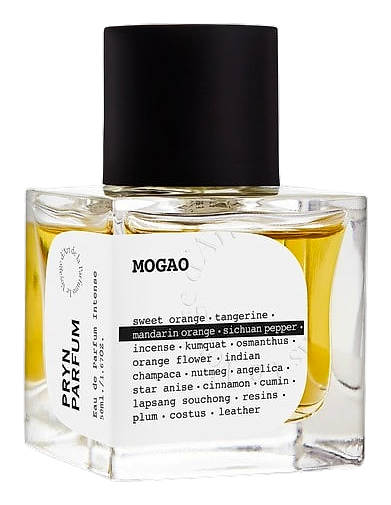
    Mogao by Pryn Parfum
    4.1

    Mogao

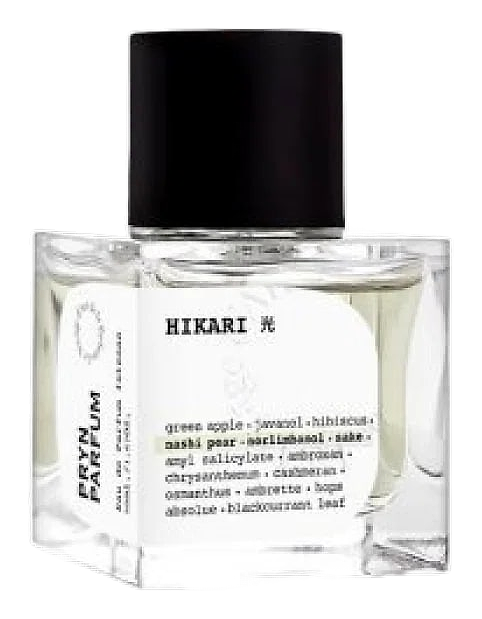
    Hikari by Pryn Parfum
    4.1

    Hikari

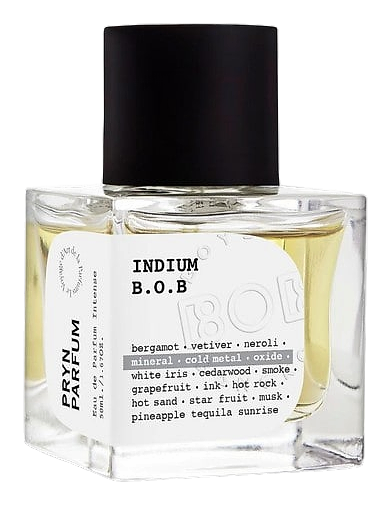
    Indium B.O.B. by Pryn Parfum
    4.0

    Indium B.O.B.

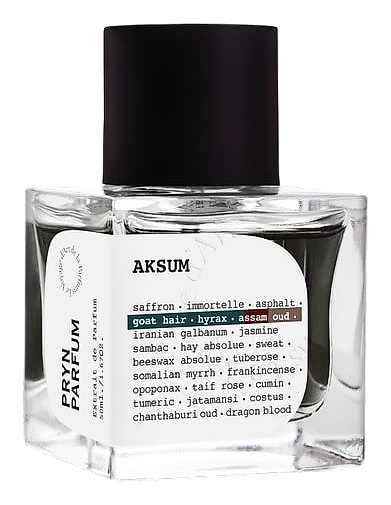
    Aksum by Pryn Parfum
    4.0

    Aksum

    1 of 2

    The Heritage

    The Story of Pryn Parfum

    Pryn Parfum is a niche fragrance house based in France that crafts limited‑edition scents inspired by travel, history and rare raw materials. Since its first releases in 2016 the brand has built a reputation for narrative‑driven compositions such as Ayothaya, Aranyaka and Turkish Leather. Each bottle arrives in a minimalist glass vessel that reflects the house’s commitment to understated elegance and olfactory storytelling.

    Heritage

    The house began in 2015 when a former chemist, known only as Pryn, decided to translate personal journeys into perfume. Early development took place in a modest laboratory in the Paris suburbs, where the founder experimented with accords drawn from Southeast Asian markets and Mediterranean workshops. In 2016 the brand launched its debut trio – Lolita, Turkish Leather and Jardin d'Iris – each limited to 500 bottles and sold through boutique specialty stores. The following year saw a burst of releases that deepened the house’s geographic focus: Ayothaya (named after the ancient Thai capital) and Aranyaka (evoking Indian royal courts) arrived alongside Morah, Mogao and Hikari, all of which referenced specific cultural landmarks. By 2018 the line expanded to include Rosuerrier and Le Mimosa, reinforcing a pattern of yearly thematic collections. Distribution grew modestly, moving from direct‑to‑consumer sales to placement in curated niche retailers such as Luckyscent and Aedes de Venustas. In 2020 Pryn Parfum partnered with the Musée du Quai Branly to present a scent‑driven installation that explored the olfactory dimensions of historic trade routes. The brand celebrated its tenth anniversary in 2025 with a limited‑run reinterpretation of Ayothaya, using a higher proportion of sustainably sourced agarwood. Throughout its first decade the house has remained independent, financing production through direct sales and small‑batch collaborations, and it continues to release new fragrances on an annual schedule that aligns with the founder’s travel calendar.

    Craftsmanship

    Production at Pryn Parfum follows a small‑batch model that blends artisanal techniques with modern quality controls. Raw materials are sourced from vetted farms and cooperatives; for example, the agarwood used in Ayothaya comes from a Laos plantation certified by the Forest Stewardship Council, while the leather accord in Turkish Leather is created from genuine French tannery extracts, not synthetic mimics. Ingredients arrive at the Paris studio where the founder, together with a freelance perfumer, conducts a series of trial blends in glass vials. Each trial is documented with precise weight measurements, allowing the final formula to be reproduced accurately for the limited run. The mixture is then macerated in stainless steel tanks at controlled temperature for several weeks, a step that ensures the integration of volatile and base notes. Quality testing includes gas chromatography analysis to verify the presence of key aroma compounds and to detect any contaminants. Bottles are hand‑blown by a glass artisan in the Loire Valley, then polished and fitted with a brushed aluminum atomizer. The brand uses 100 % recycled glass for its containers and sources cork stoppers from a Portuguese supplier that adheres to sustainable harvesting practices. Final packaging includes a matte black box printed with soy‑based inks, and each box carries a handwritten note describing the fragrance’s inspiration, reinforcing the personal connection between creator and wearer.

    Design Language

    Visually, Pryn Parfum embraces a restrained, modern aesthetic that lets the scent speak for itself. Bottles feature clean, cylindrical shapes with a slight taper, finished in either clear, amber or deep charcoal glass depending on the fragrance’s tonal palette. The label consists of a simple sans‑serif typeface stamped in matte gold, positioned at the base of the bottle to maintain visual balance. Caps are machined from brushed aluminum, providing a tactile contrast to the smooth glass. The outer packaging follows the same minimalist language: a rigid black box with a subtle spot‑UV imprint of the fragrance name, accompanied by a thin vellum insert that outlines the story behind the scent. Photography for the brand’s online presence favors natural lighting and close‑up textures, highlighting the raw materials – a sprig of iris, a shard of leather, a drop of amber resin – rather than staged lifestyle scenes. This visual restraint aligns with the house’s narrative focus, presenting each fragrance as an object of quiet discovery rather than a flashy commodity.

    Philosophy

    Pryn Parfum views perfume as a portable narrative, a way to carry a memory of place and moment on the skin. The founder believes that scent can bridge cultural gaps, so each composition draws from a specific locale, myth or historic event. The brand values transparency; ingredient origins are disclosed on the website and sourcing decisions prioritize ecological stewardship. Rather than chasing trends, the house follows a calendar that mirrors the founder’s own itinerary, allowing travel experiences to dictate the next olfactory chapter. Sustainability informs every choice, from recycled glass bottles to biodegradable packaging inserts. The creative process starts with field research – visiting markets, temples or workshops – then translating sensory impressions into a brief that guides the perfumer. Collaboration is limited but purposeful; when the house works with external noses, it selects those who share a respect for narrative depth and material integrity. This philosophy results in fragrances that feel like miniature documentaries, each telling a story without relying on overt marketing language.

    Key Milestones

    2015

    Founder Pryn establishes the brand in a Paris suburb, beginning formulation work in a personal laboratory.

    2016

    First three fragrances – Lolita, Turkish Leather, Jardin d'Iris – launch in limited editions of 500 bottles each.

    2017

    Ayothaya, Aranyaka, Morah, Mogao and Hikari release, expanding the house’s geographic storytelling theme.

    2018

    Rosuerrier and Le Mimosa debut, marking the brand’s first foray into floral‑centric compositions.

    2020

    Collaboration with Musée du Quai Branly for an olfactory installation exploring historic trade routes.

    2025

    Tenth‑anniversary limited‑run reinterpretation of Ayothaya, featuring higher‑grade agarwood and a new recycled‑glass bottle design.

    At a Glance

    Brand profile snapshot

    Origin

    France

    Founded

    2015

    Heritage

    11

    Years active

    Collection

    1

    Fragrances released

    Avg Rating

    4.3

    Community sentiment

    Release Rhythm

    2018
    3
    2017
    5
    2016
    11
    prynparfum.com

    Did You Know?

    Interesting Facts

    Distinctive details and defining moments that shape the house personality.

    01

    Ayothaya’s name references the former capital of the Siamese kingdom, and the fragrance incorporates a rare agarwood oil sourced from a single Laos plantation.

    02

    Turkish Leather was created using a genuine leather extract obtained from a historic tannery in Istanbul, a practice uncommon in niche perfumery.

    03

    All bottles are hand‑blown in the Loire Valley, and the brand recycles 80 % of its glass waste back into new containers.

    04

    The founder transitioned from a career in pharmaceutical chemistry to perfumery, applying analytical rigor to scent creation.

    The Artisans

    The Perfumers