Raki
An aromatic spirit and flavoring agent derived from anise, giving fragrances their distinctive sweet-licorice character with a subtly medicinal edge. Rarely encountered as a named note, yet the essence of anise underpins dozens of oriental and fresh fragrances.
Character
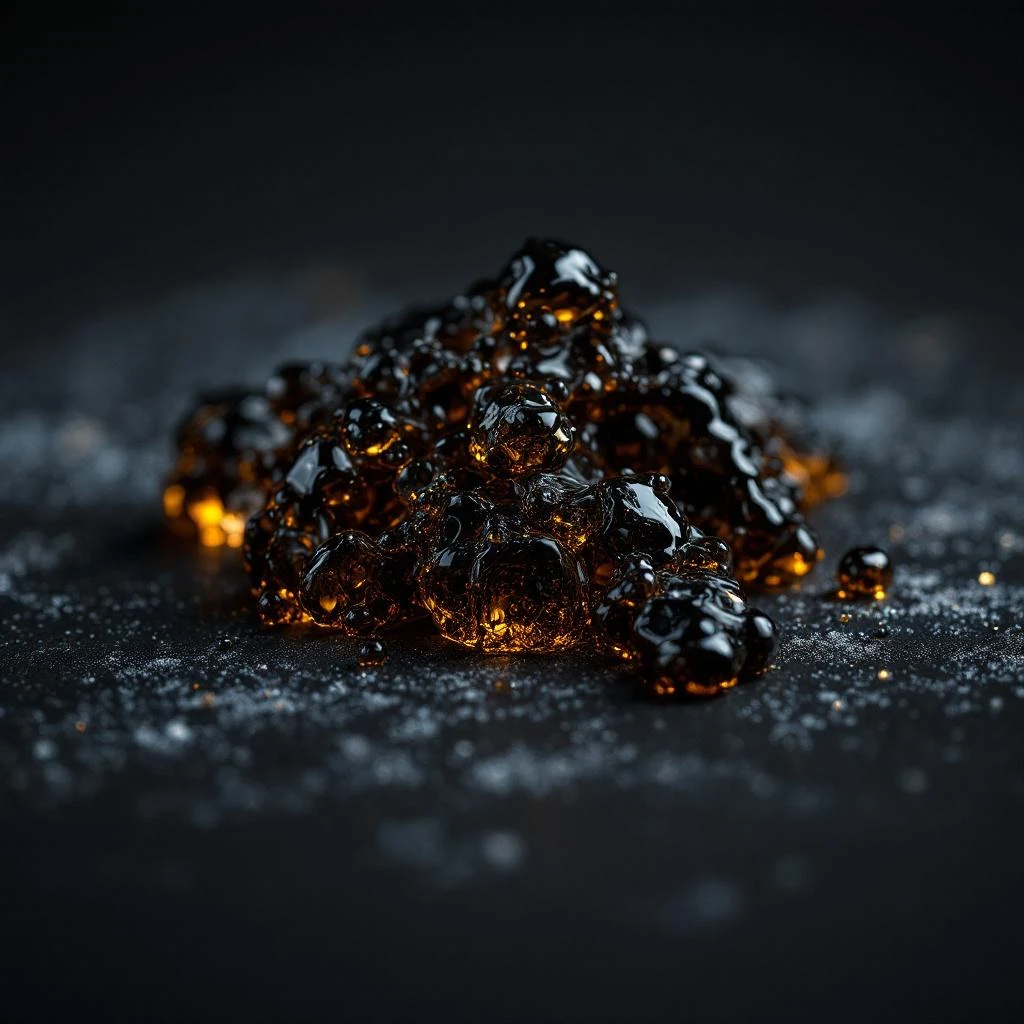
How it smells
Sweet licorice with a boozy warmth.
The name "raki" gave rise to "arak," the Arabic term for any distilled aromatic spirit.

Origin
Turkey
Raki traces its roots to the medieval Arab world, where physicians in the 12th century developed distillation techniques that transformed aromatic plants into concentrated essences. The word "raki" first described any spirit infused with aniseed, a practice brought westward by Ottoman expansion into the Balkans. Serbian and Turkish variants developed distinct profiles: Turkish raki favors mastiha resin for a resinous backbone, while Balkan raki tends toward pure anise.
The beverage culture surrounding raki influenced how communities perceived anise as a scent associated with warmth, gathering, and ceremony. Its migration from drinking ritual into perfumery reflects a broader pattern where culinary ingredients gain aromatic applications.
Wears it best
Fragrances featuring Raki
Brands
Brands known for Raki
Good to know
Questions, answered
The essentials on Raki in perfumery: how it smells, where it comes from, and how it behaves on skin.
Is raki used as an actual fragrance ingredient?
Raki itself is rarely listed as a fragrance ingredient. Instead, anise oil and star anise absolute, which share raki's aromatic profile, appear in fragrance formulas. The connection lies in the shared botanical source.
What does anise smell like in perfume?
Anise delivers a sweet, licorice-like scent with mild spicy warmth and a faintly medicinal edge. It reads as fresh and aromatic, making it effective in the top notes of oriental and green fragrances.
Which famous fragrances use anise or star anise?
Star anise absolute features in fragrances like Serge Lutens Ambre Sultan and Annick Goutal Néroli. The note tends to appear in oriental and spicy fragrances rather than mainstream florals.
Is raki-related fragrance material natural or synthetic?
Both exist. Natural anise essential oil comes from steam-distilling anise seeds. Synthetic anethole, the primary aromatic compound, replicates the scent at lower cost and with consistent quality.
What is the main aromatic compound in anise?
Anethole accounts for up to 90 percent of anise essential oil's composition. This phenylpropanoid delivers the characteristic sweet-licorice aroma and contributes to the material's crystallizing behavior at cool temperatures.
Does anise blend well with other fragrance notes?
Anise pairs naturally with lavender, citrus, vanilla, and spice notes like cardamom and cinnamon. It anchors fresh-herbal compositions and adds depth to amber or woody bases.
What is the difference between green anise and star anise in perfumery?
Green anise (Pimpinella anisum) yields a lighter, more floral-anisic scent. Star anise (Illicium verum) produces a bolder, more spicy and slightly medicinal aroma with greater tenacity in the dry-down.
Can someone be allergic to anise in fragrance?
Anethole is considered a potential sensitizer in its isolated form, though allergic reactions to trace amounts in finished fragrance are uncommon. Regulatory bodies classify it as a fragrance allergen requiring declaration.