
The Story
Why it exists.
The beginning
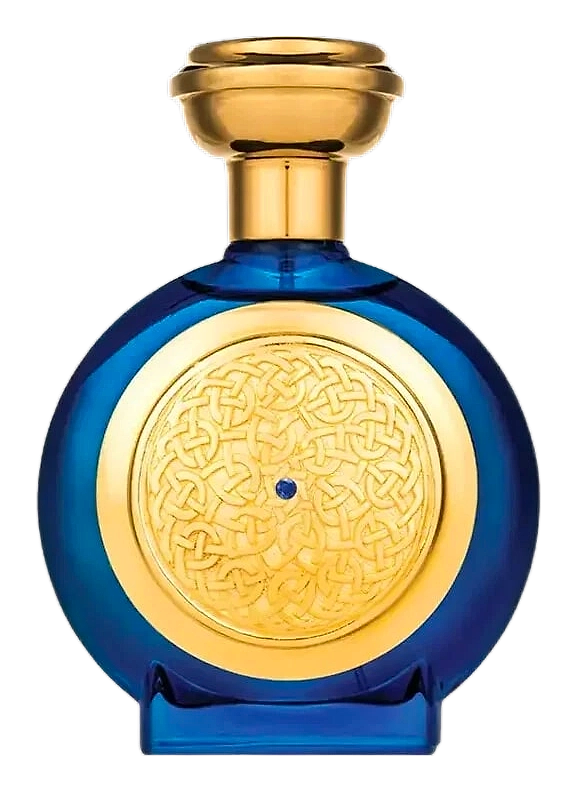
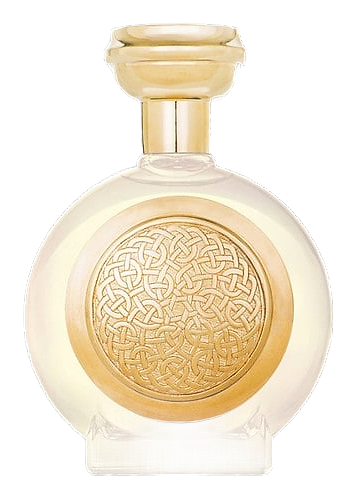
Notting Hill. A neighborhood that never quite belonged to one world, bohemian, multicultural, stubbornly itself. Not fully floral, not fully resinous. It holds the contradiction. Turkish rose blooms at the center, surrounded by incense smoke and warm amber, grounded in cedar and musk. The name is the destination, a reference point for those who know the area's particular character.
The standout here is the rose. It's not Bulgarian or Damask. Provenzano pairs it with loukhoum, the Turkish rose-petal confection, which adds a confectionary sweetness that bridges floral and gourmand. The result is a rose that smells edible without being sweet, traditional without being stuffy. Incense provides the smoke, lending warmth without heaviness, while the composition avoids becoming precious.
The evolution
The opening is sharp, aromatic, warm. Cardamom and pink pepper lift the almond sweetness into something bright. Then the handoff: geranium arrives with a green, almost bitter clarity that cuts through the sweetness like a breath of cold air. The rose blooms in the heart, but it's never alone, loukhoum wraps it in warmth. The composition shifts as resinous elements arrive, each amplifying depth. Cedar and vanilla settle underneath. The oakmoss lingers, a faint green memory. Patchouli keeps it earthy, grounding the smoke. The drydown is where Notting Hill earns its name, dark, warm, intimate. It stays close to the skin but not quietly.
Cultural impact
Among niche collectors, Notting Hill has built a loyal following for its distinctive warmth, a rose with presence. It sits comfortably alongside other smoky, rose-forward orientals in the Boadicea the Victorious portfolio, sharing that house character of rich, gender-neutral compositions that blend natural extracts with modern synthetics. The release found its audience among those who wanted something with more character than mainstream florals.