The Story
Why it exists.
The beginning
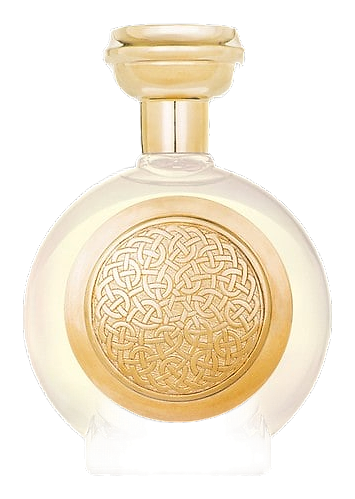
Hyde Park is not a subtle name. It's one of London's lungs, 350 acres of green that have hosted speeches, protests, concerts, and quiet walks since Henry VIII enclosed it in the 16th century. In 2013, Christian Provenzano reached for that openness, that civic energy, and asked what it would smell like in liquid form. The answer arrived in bright citrus and white florals: orange blossom, neroli, jasmine, all the flowers that grow wild near open air. But a British fragrance named after a royal park doesn't get to just smell nice. It needs structure. It needs backbone. That backbone is oud, a whisper of it, not a shout, woven into the base so it takes hours to fully arrive. Provenzano built Hyde Park as the scent of a public person who has earned their privacy: someone who walks into a room and doesn't need the room to know.
The ozonic quality of Calone is what makes this work. It extends the citrus, adds that atmospheric breadth Hyde Park the place is known for, the wide sky, the lake, the sense of space inside a city. Without it, you'd have another pretty white floral. With it, you have something that breathes. The artemisia adds a slightly bitter, herbaceous counter to the sweetness of the orange blossom, keeping the opening from going syrupy. In the drydown, the benzoin and amber create a powdery warmth that lingers close to the skin. The oud is never raw here, it's been softened, domesticated almost, into something that adds depth rather than drama. This is British restraint applied to Oriental materials. It shouldn't work.
The evolution
The opening hits bright and immediate, citrus, ozonic freshness, a slight herbal cut from the artemisia. The petitgrain adds a bitter leafiness that keeps everything grounded for the first twenty minutes. Then the florals take over: neroli and jasmine bloom in the heart, soft and powdery, the orange blossom going from sharp to round. This is the Hyde Park crowd arriving, a slow swell of people, nothing dramatic. By hour three, the base notes announce themselves. Benzoin and amber create a warm, powdery cushion. Musk stays close to the skin. The oud appears late, really late, maybe four hours in, and it announces itself not as a punch but as a deepening. Like the park emptying out and the streetlights coming on. The fragrance doesn't project aggressively after the first hour. It lasts and lasts, but it wants to be discovered, not announced. Eight to ten hours is the range. On fabric, it lingers into the next day.
Cultural impact
Released in 2013, Hyde Park occupies an interesting space: it arrived before the wave of British heritage fragrances that dominated the late 2010s, and it holds its own against them still. The combination of ozonic freshness and Oriental depth, white florals over oud, gives it a character that's distinctly modern within a classical framework. Among niche collectors, it's known as a wearable entry point into oud: not the dense, animalic agarwoods that intimidate newcomers, but a civilized version that reveals itself over hours. The moderate sillage and exceptional longevity have made it a workday staple for those who want presence without projection. It's the fragrance you wear when you want to smell like you've been somewhere, not like you're trying to.