The Story
Why it exists.
The beginning
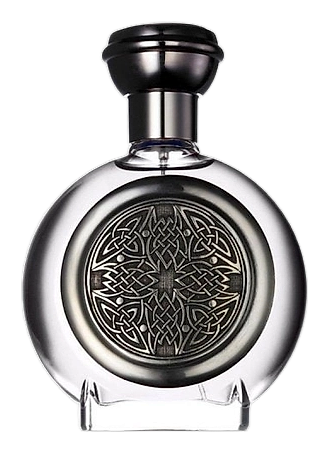
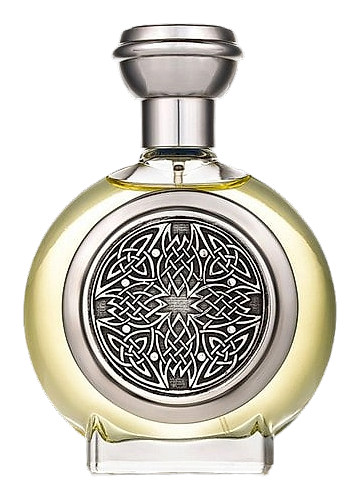
Chariot is less about conquest than arrival, the moment when presence becomes undeniable. The fragrance takes its name from the wheeled war machines that once carried Boadicea into history, a nod to the queen whose name the house bears. Chariot's story is about the procession: how something moves through space, what it leaves behind, and the weight of a composition that earns its finale.
What makes Chariot structurally interesting is the hand-off. The florals here do not simply dissolve into the base. Cherry blossom and tuberose hold the center stage, remaining prominent while the woods and resins build beneath. The papyrus note does something unusual: it shapes the oud into something dry and regal, like old paper in a library where decisions were made. Saffron threads through the base like a rumor, present but never loud.
The evolution
The opening brings bergamot and red berries together, sharp and confident, with blackcurrant lending a tart, almost acidic edge that keeps things from going sweet too early. The florals push in next, rose and jasmine at first, then the cherry blossom opens like a late spring arriving all at once. Tuberose adds a creaminess that could tip into cliché, but the nutmeg and cardamom keep pulling it back toward something spicier. The florals begin their exit, leaving the base to take over. What remains is oud and papyrus first, cedar and sandalwood building underneath. The benzoin and vanilla arrive last, wrapping everything in warmth that stays close to the skin. On fabric, it lingers longer, detectable the next morning if you wore it to bed.
Cultural impact
The oud-papyrus pairing creates a distinctive aromatic conversation. The florals provide the structural support beneath, keeping the composition grounded. Wearers describe it as a presence built through conviction rather than volume, something that reads as expensive without announcing itself.