
The Story
Why it exists.
The beginning
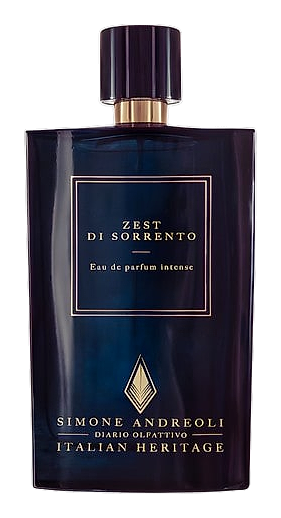
Sorrento lemons are not like other lemons. The ones that grow along the Amalfi Coast have thick, fragrant rinds and a zest so aromatic it has been prized by Italian kitchens and perfumers for centuries. Zest di Sorrento does not try to bottle a lemon. It tries to bottle the tree. The flower. The stone wall the fruit ripened against. Simone Andreoli reached for the lemon blossom first, not the juice, not the peel, but the white flowers that arrive before the fruit, and built outward from there. That decision sets this apart from every other citrus on the shelf. The 2019 release arrived as part of the Italian Heritage collection, a line that treats regional terroir the way a sommelier treats a vineyard: with reverence for what the soil gives.
What makes the structure interesting is the hand-off between layers. The lemon blossom note is not common in perfumery, it requires either a natural extraction or a skilled accord that captures both the waxy white floral and the faintly bitter undertone of the citrus flower. Neroli amplifies that quality here, adding a clean, orange blossom depth that keeps the top from being purely bright. Then the woody notes and cognac arrive like the retaining wall of an old grove: warm, slightly resinous, holding everything in place. The result is a lemon that smells like it has a memory.
The evolution
The opening hits like a lemon zested directly over the skin, sharp, immediate, with that slight sting of essential oil. No preamble. For the first thirty minutes the lemon asserts itself without apology, joined by a whisper of blossom that softens the edges just enough. Then the neroli emerges, rounding the citrus into something creamier, like sunlight through a white curtain rather than directly overhead. The woody base arrives around the two-hour mark and does not announce itself, it settles quietly, adding warmth where the citrus begins to recede. Cognac is subtle here, more of a honeyed depth than a spirit note. On fabric, this fragrance lasts into the evening. On skin, expect a full workday, then a quiet drydown that lingers close into the night. The lemon does not disappear. It evolves.
Cultural impact
Zest di Sorrento has quietly earned a following among those who want Italian craftsmanship without the theatrical weight. It is not trying to start a conversation, it is trying to end one, gracefully. The fragrance occupies a particular corner of the market: for the person who wants Sorrento, not a suggestion of it. That specificity has built a base of wearers who return to it season after season, particularly in warmer months, and who tend to describe it as the rare lemon that grows on them.