
The Story
Why it exists.
The beginning
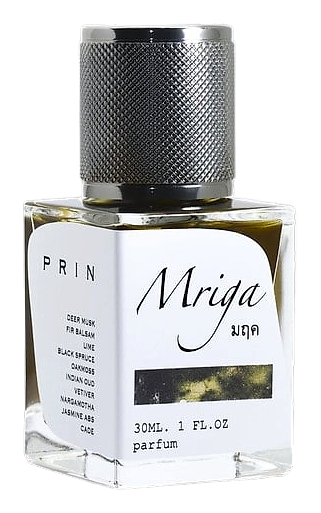
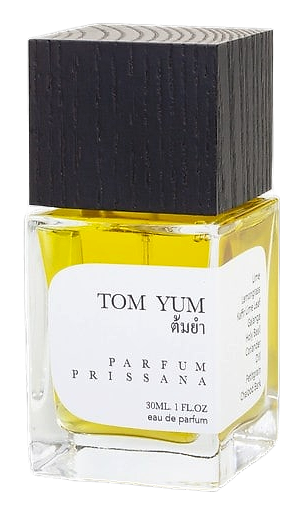
Prin Lomros grew up with Thai cuisine as a daily language, and Tom Yum as one of its most fluent sentences. The soup is a national shorthand for comfort, heat, and balance, sour, spicy, aromatic, all at once. Translating that into a fragrance meant finding the ingredients that make the dish unmistakable: lemongrass, kaffir lime, galanga. But the challenge wasn't accuracy. It was intention. How do you make a soup smell good on skin without it becoming a costume? The answer lived in the balance, the way the citrus opens hot, the way the herbal notes don't fade so much as deepen. Tom Yum as perfume isn't a joke or a novelty. It's a statement that the most specific a fragrance can be is sometimes the most universal.
The real distinction here isn't the lemongrass, lemongrass appears in plenty of fragrances. It's the Chalood Bark that shifts the composition from aromatic to something more unusual. Smoky, nutty, slightly resinous, it creates an umami-like depth that most Western fragrance traditions don't have a vocabulary for. Pair that with galanga, the less-famous cousin of ginger, earthier and more floral, and you have a heart that refuses to behave like a standard citrus aromatic. The jasmine isn't decorative. It keeps the whole thing from reading as purely savory, pulling it back toward something wearable. Patchouli anchors the base with the kind of herbal dryness that Southeast Asian cooking loves.
The evolution
The opening hits immediately, lemongrass and kaffir lime leaf cut through with the kind of sharpness that could wake someone up across the room. Lime and grapefruit amplify the citrus, creating an aromatic canopy that lasts maybe thirty minutes before the herbs start to settle. Galanga and coriander arrive next, adding warmth that counters the initial acidity. By the second hour, jasmine peeks through, softening the edges. The drydown is where it earns its name. Patchouli and Chalood Bark linger, smoky and intimate, close to the skin for another three to four hours on most. The sillage moderates as it settles, what started as a declaration becomes a presence.
Cultural impact
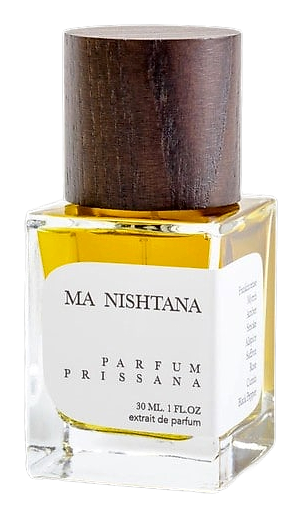
Tom Yum represents a bold crossover between culinary and fashion worlds. By translating Thailand's most iconic soup into fragrance, Prissana creates a bridge that invites cultural exploration through scent. The perfume uses galangal, lemongrass, and kaffir lime not as abstract notes but as direct representatives of Thai culinary identity. This approach challenges Western fragrance conventions, which typically favor sweet or floral food accords. Tom Yum instead embraces savory, herbal, and smoky facets, expanding what niche perfumery can reference. The fragrance has sparked conversations about cultural translation in scent, asking whether ingredients can carry authentic cultural weight rather than functioning as mere descriptors.