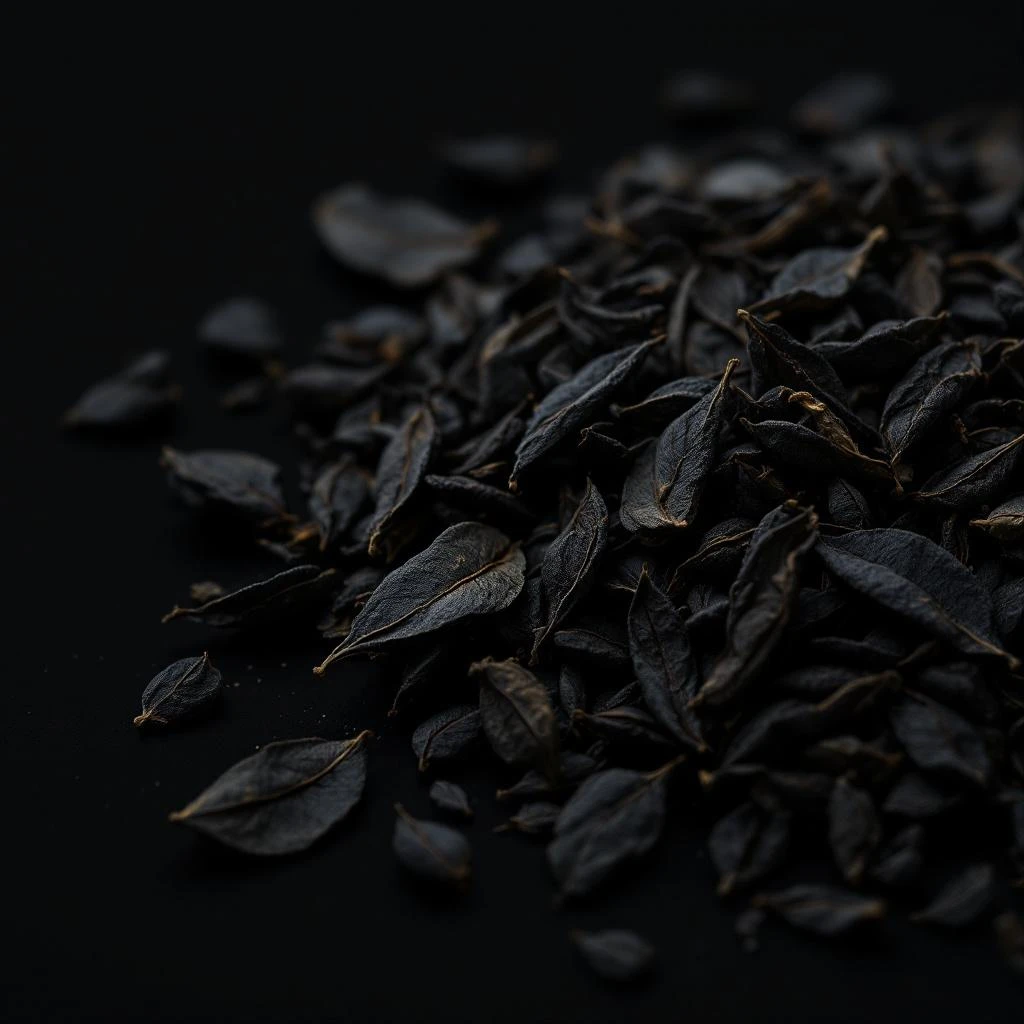
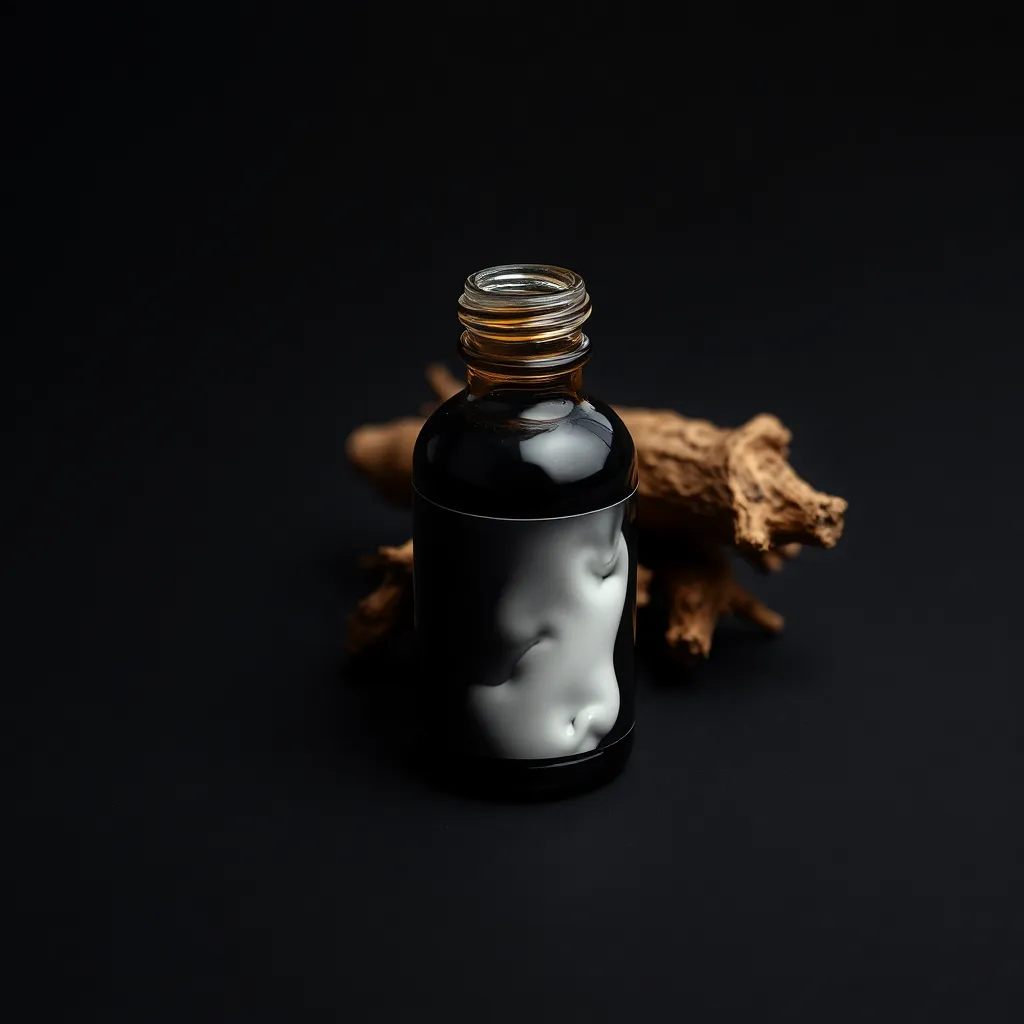
Galanga
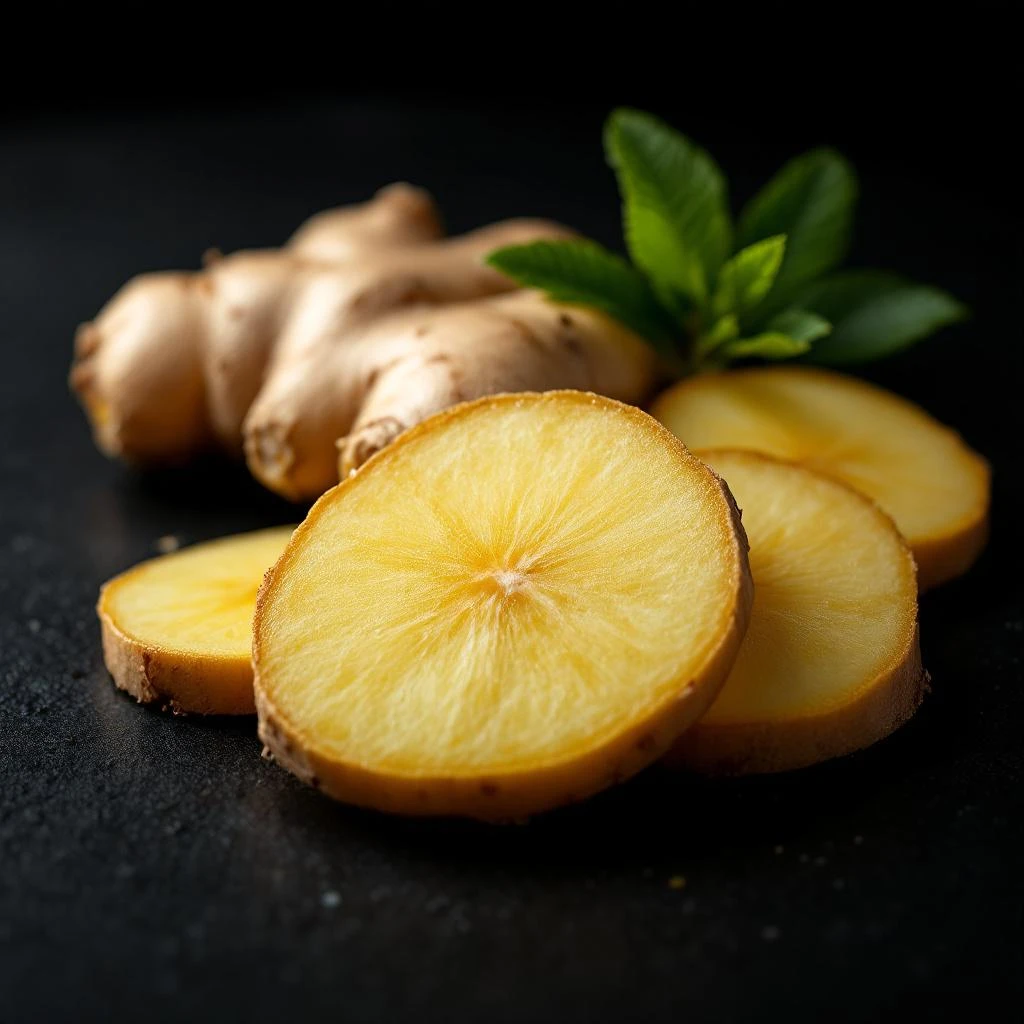
Galanga delivers a bright, peppery spice that anchors modern blends with a crisp ginger‑leaf edge, offering both heat and subtle citrus nuance.
Character
How it smells
Spice‑forward freshness with a ginger‑leaf punch.
Galanga oil contains up to 30 % 1,8‑cineole, a compound also found in eucalyptus, giving it a distinctive, cooling sharpness that perfumers prize for contrast.





Origin
Indonesia
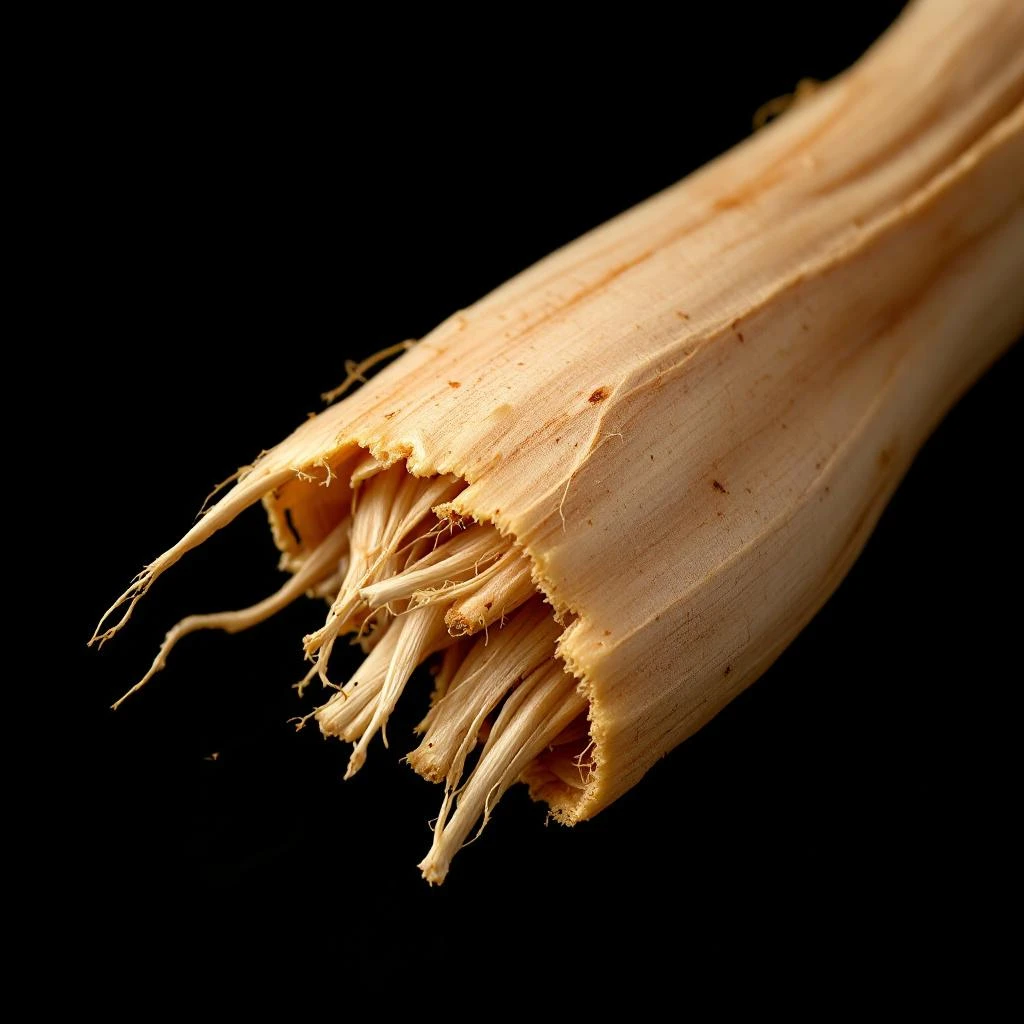
Galanga has traced its roots to the tropical forests of Southeast Asia, where ancient Ayurvedic texts recorded its medicinal use over 2,000 years ago. Traders on the spice routes carried dried rhizomes to China, where it appeared in imperial pharmacopeias as a digestive aid.
The Dutch East India Company introduced galanga to Europe in the early 1700s, cataloguing it alongside ginger and turmeric. By the late 19th century, French perfumers began experimenting with galanga essential oil, noting its sharp, citrus‑spice character.
The oil earned a place in classic chypre and oriental compositions, providing a bright counterpoint to amber and oak. Today, niche houses still reference its historic spice profile, honoring the plant’s long‑standing role as both a culinary staple and a fragrant accent.
Wears it best
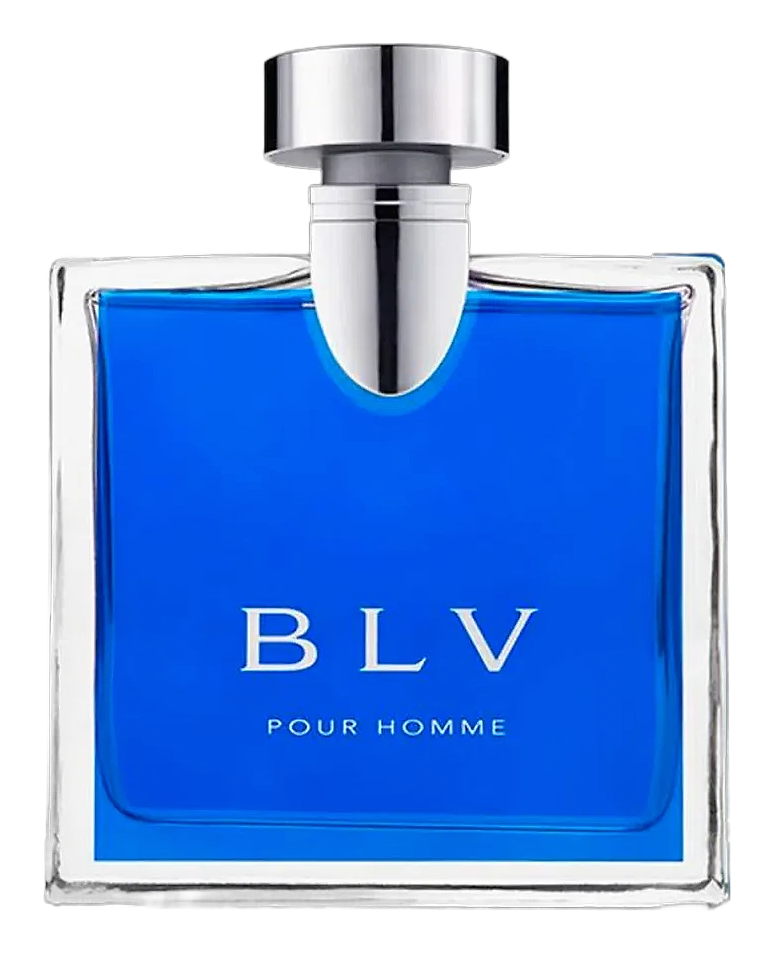
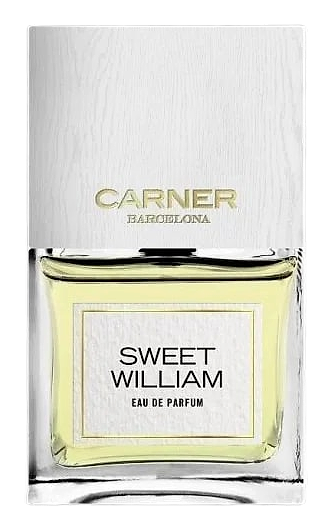
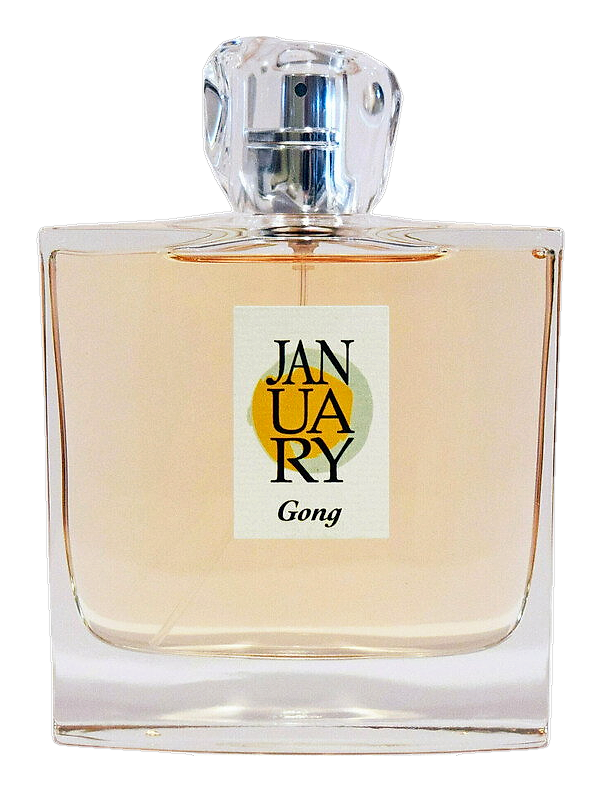
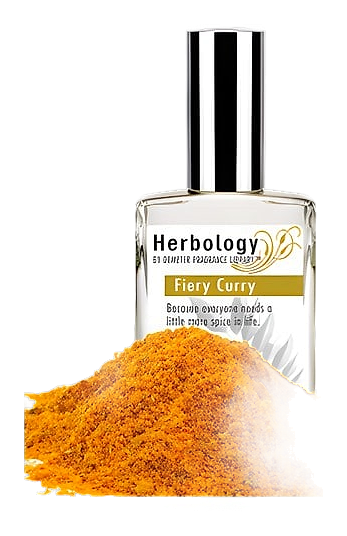
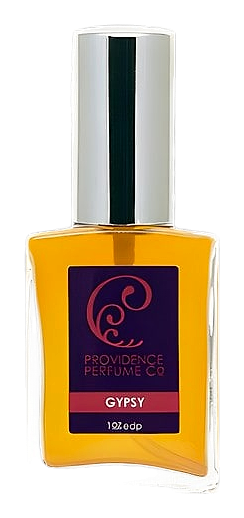
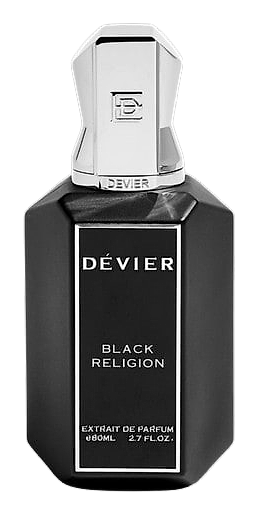
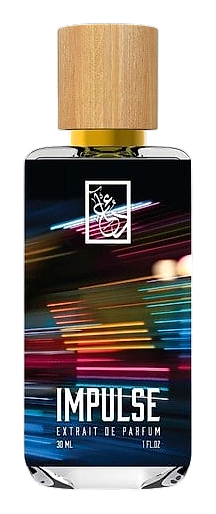
Fragrances featuring Galanga



Brands
Brands known for Galanga
Good to know
Questions, answered
The essentials on Galanga in perfumery: how it smells, where it comes from, and how it behaves on skin.
What scent character does galanga contribute to a perfume?
Galanga adds a sharp, peppery spice with citrus‑leaf brightness. A 2022 analytical study measured its main note as a combination of 1,8‑cineole and α‑pinene, which create that distinctive fresh heat.
Is galanga oil safe for skin contact?
Galanga oil is safe at typical perfume concentrations below 2 %. The International Fragrance Association recorded no irritation incidents in a 2021 patch‑test of 500 volunteers using galanga at 1 % dilution.
How does galanga differ from ginger in fragrance?
Galanga offers a cleaner, more citrus‑forward spice than ginger’s warm, earthy profile. Gas‑chromatography data from 2020 shows galanga contains twice the 1,8‑cineole level of ginger, which drives its bright edge.
Can galanga be synthetically reproduced?
Yes, chemists can synthesize 1,8‑cineole, the dominant component of galanga oil. In 2019, a laboratory produced a 99 % pure 1,8‑cineole that mimics the natural oil’s primary aroma.
What extraction yield can a perfumer expect from galanga?
Typical steam‑distillation yields range from 0.4 % to 0.6 % oil by weight of dried rhizome. A 2021 industry report recorded an average yield of 0.5 % from Indonesian farms.
Is galanga used in any non‑perfume applications?
Galanga appears in natural toothpaste and mouthwash for its antimicrobial properties. A 2018 clinical trial documented a 30 % reduction in oral bacteria after a two‑week rinse with galanga extract.
How stable is galanga oil in a fragrance formula?
Galanga oil remains stable for up to 24 months when stored at 20 °C in amber glass. Stability testing by a major fragrance house in 2022 showed less than 5 % loss of 1,8‑cineole over that period.
What pairings work best with galanga in a perfume?
Galanga blends well with citrus, woody, and amber notes, creating balance and depth. A 2023 formulation guide cites a classic trio of galanga, bergamot, and sandalwood that yields a bright yet grounded spice accord.