
The Story
Why it exists.
The beginning
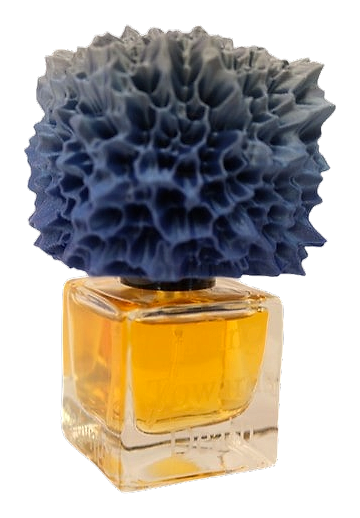
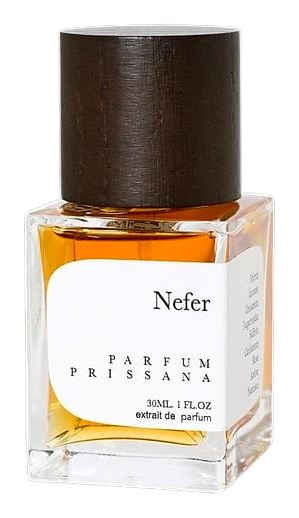
Prin Lomros designed Nefer in 2020 as an homage to Cleopatra, not the Hollywood version, but the one rooted in archaeological evidence. In 2012, researchers analyzing ancient perfume residues found traces of myrrh, cinnamon, and cardamom, suggesting the queen's legendary scent was less floral fantasy than warm, spiced resin. The name comes from the Egyptian word for beauty or goodness. Lomros built the fragrance around that finding: a golden, resinous composition that channels the spirit of ancient Egyptian perfumery. The result is a scent that opens with a rich, almost syrupy warmth, where the spices feel immediate and the resins slowly unfurl on the skin, creating a feeling of depth and history that feels both ancient and intimately present.
What makes Nefer's structure work is the balance between warm spice and dried fruit sweetness. The saffron adds depth and a subtle wine-like quality that prevents the opening from becoming simply sweet. Meanwhile, the dried fruits create a natural sweetness that softens the cinnamon and cardamom without making them edible. The elemi resin adds a subtle pine and citrus note that prevents the whole thing from becoming heavy. It's a composition that could have easily tipped into powderiness or cloying territory, but the aromatics keep it grounded.
The evolution
The opening belongs to saffron and tangerine. It's bright, almost sharp, with the tangerine adding a candied citrus quality that keeps the saffron from feeling too heavy. Then the incense and myrrh arrive, not smoky, but present, almost meditative. The dried fruits emerge, adding sweetness that contrasts with the spices rather than competing with them. By the time the base notes develop, the composition has settled into benzoin, amber, and sandalwood. The drydown is warm and resinous, lingering on the skin with a golden glow that feels substantial without being overwhelming.
Cultural impact
Nefer draws from historical and archaeological scent research rather than purely imaginative compositions. Its Cleopatra inspiration places it within the broader cultural fascination with ancient Egyptian material culture, inviting wearers to engage with a rich artistic heritage. The fragrance offers a sensory interpretation of ancient perfumery techniques, bringing resinous, warm oriental structures into contemporary independent perfumery in a way that feels both scholarly and accessible.