The Story
Why it exists.
The beginning
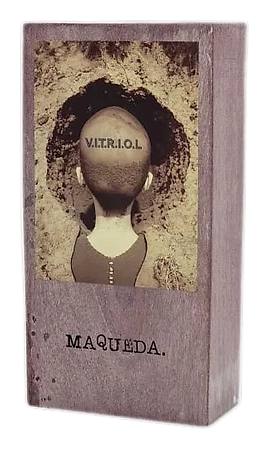
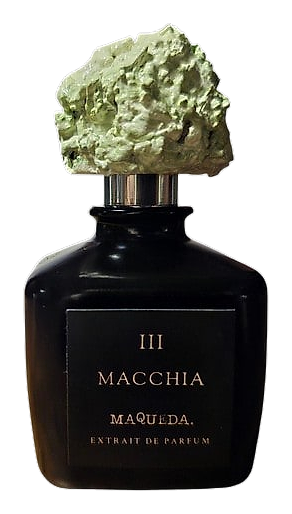
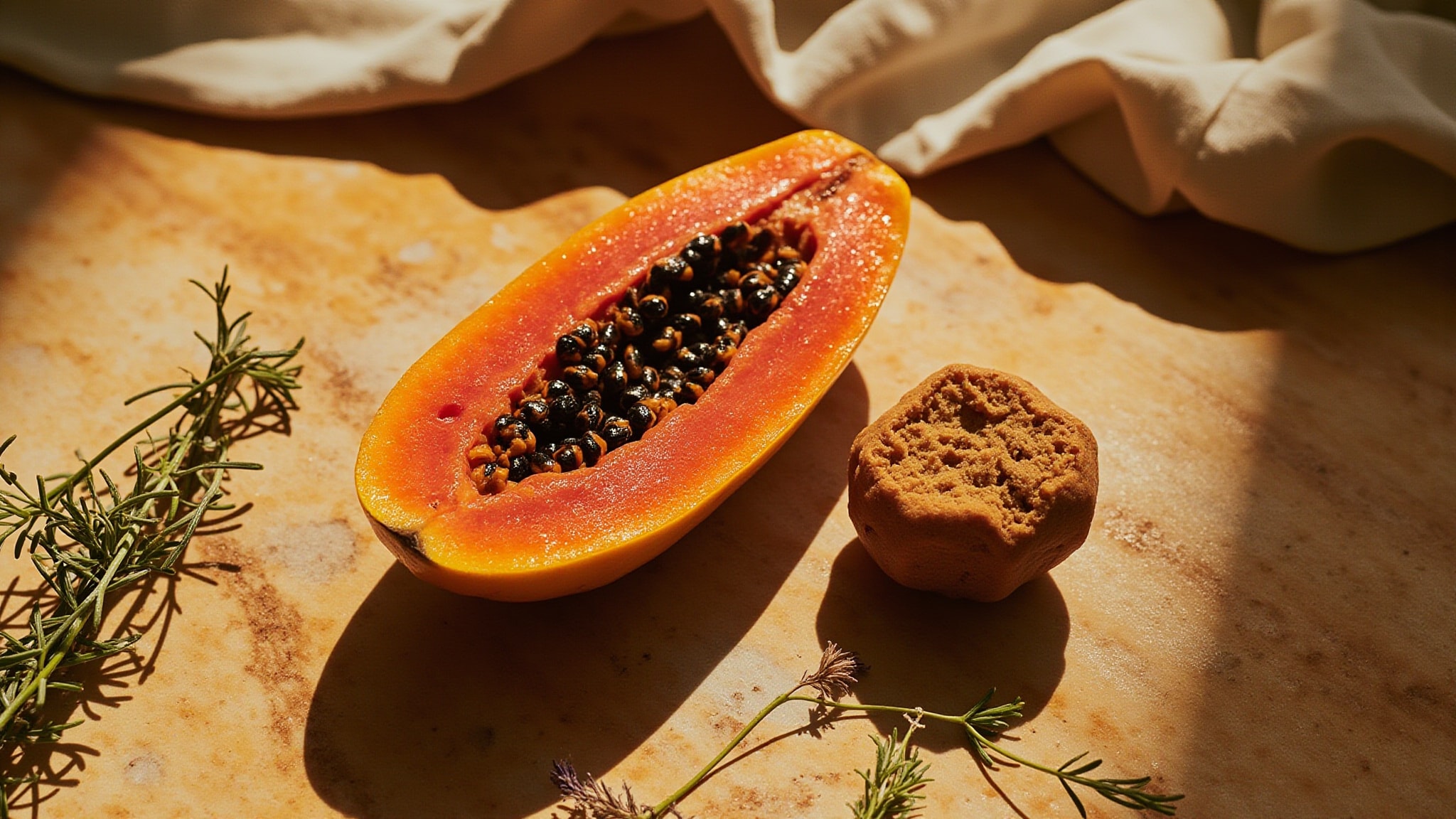
Macchia takes its name from the Mediterranean maquis, the dense, aromatic scrubland that clothes the coastal landscape in green and silver. Not a garden. Not a forest. Something wilder, older, harder to navigate. Maqueda Perfume built this fragrance around that landscape: the place where cultivated earth ends and wildness takes over. Thyme, rosemary, wild fennel, all the herbs that grow where no one plants them. Moss pulling damp from the air. And threaded through it, papaya and mango, tropical sweetness that shouldn't work in this landscape but does, somehow, the way certain fruits ripen impossibly early in the coastal heat. This is the scent of that contradiction: the civilized and the feral, side by side.
What makes Macchia unusual isn't any single ingredient, it's the structural choice to lead with papaya and mango over the herbal base. Most aromatic fragrances establish the herbs first and let sweetness arrive later as a modifier. Here, the fruit arrives loud and golden, then waits. The herbs don't fight it. They grow around it, through it, thyme and rosemary threading the tropical sweetness with something dry and Mediterranean. The goat hair tincture is the move that separates this from a pleasant nature scent.
The evolution
The opening hits fast, papaya bright, almost aggressive in its sweetness, held up by sea breeze and the sharp green of herbs you can almost name. The mango appears shortly after, rounder, heavier. The sweetness is undeniable. If you came here for dry aromatics, this is the moment some people reconsider. By the half-hour, the herbs arrive properly. Thyme first, then rosemary, then the green exhale of wild fennel, all the maquis you'd smell walking a coastal path. The moss comes up cool and damp, and underneath it, something that wasn't in the opening. The goat hair tincture isn't loud, but it's the tell. That's the animalic shift, the moment the composition stops smelling like a landscape and starts smelling like skin. By hour three, the tropical sweetness has receded into something softer, held up by white musk. The herbs persist but have gentled.
Cultural impact
Macchia's structure is its statement: leading with tropical sweetness before the herbal-animalic core reveals itself is a bet on the wearer's patience and curiosity. The goat hair tincture has drawn comparisons to animalic-forward fragrances among those who've encountered it, but Macchia wears that element more subtly, present without announcing itself. For wearers who've grown accustomed to Mediterranean fragrances that lead with herbs, the papaya opening is a genuine surprise. The tropical opening serves as counterprogramming, a deliberate jolt that makes the eventual maquis reveal feel earned rather than inevitable.