Mango Tree
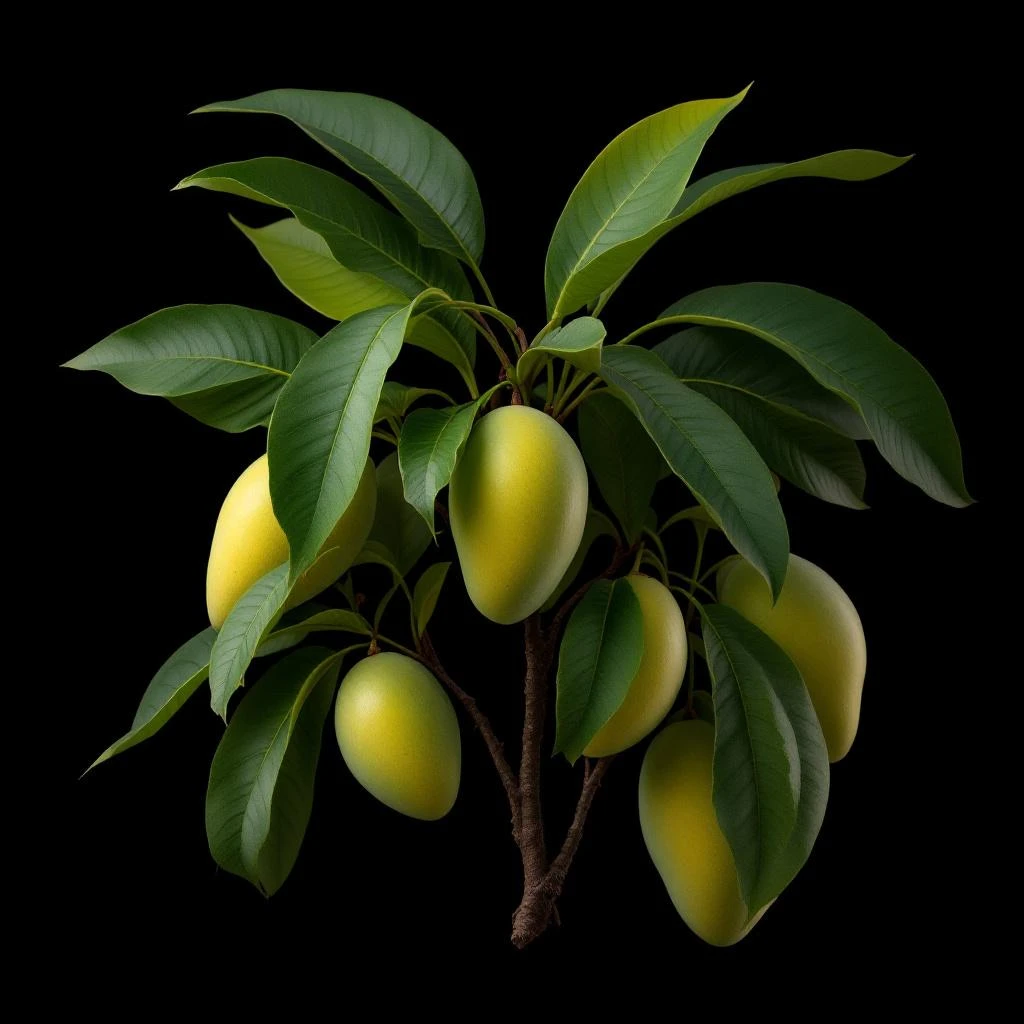
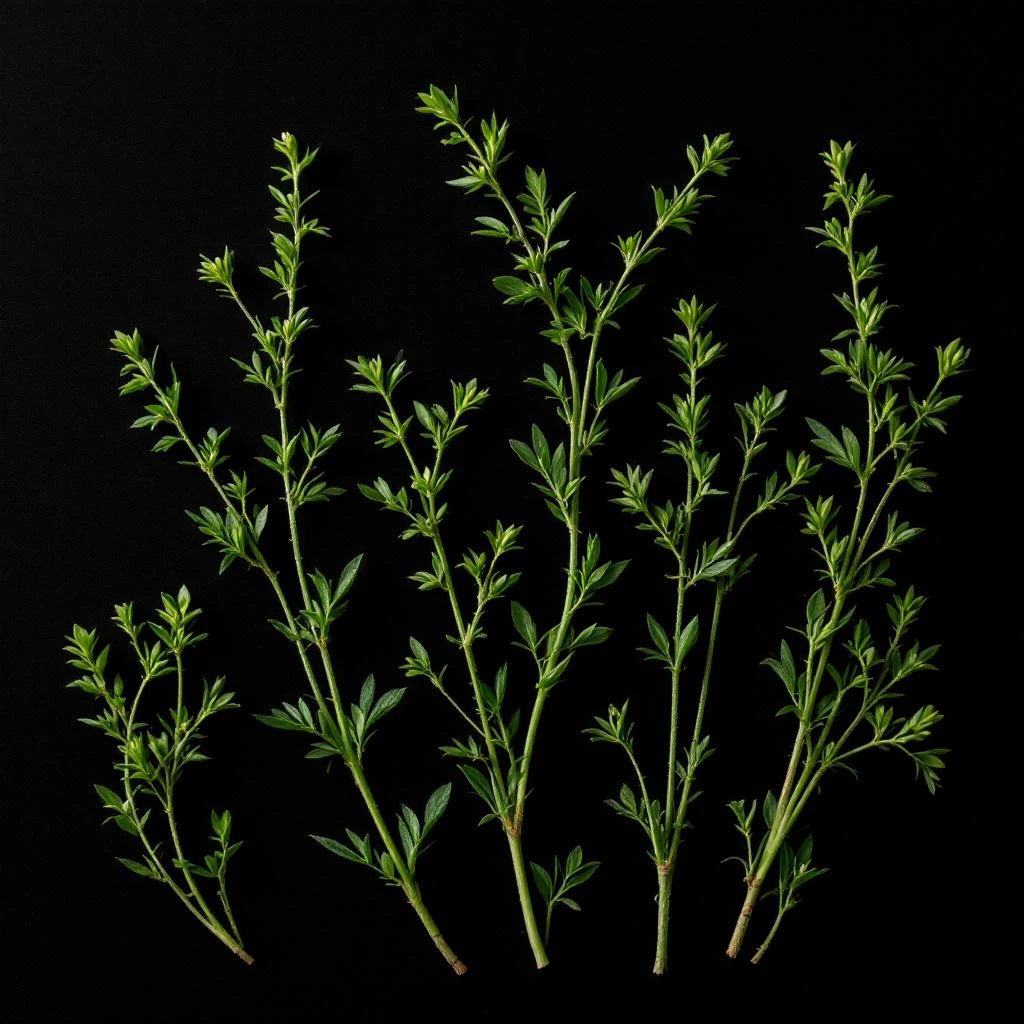
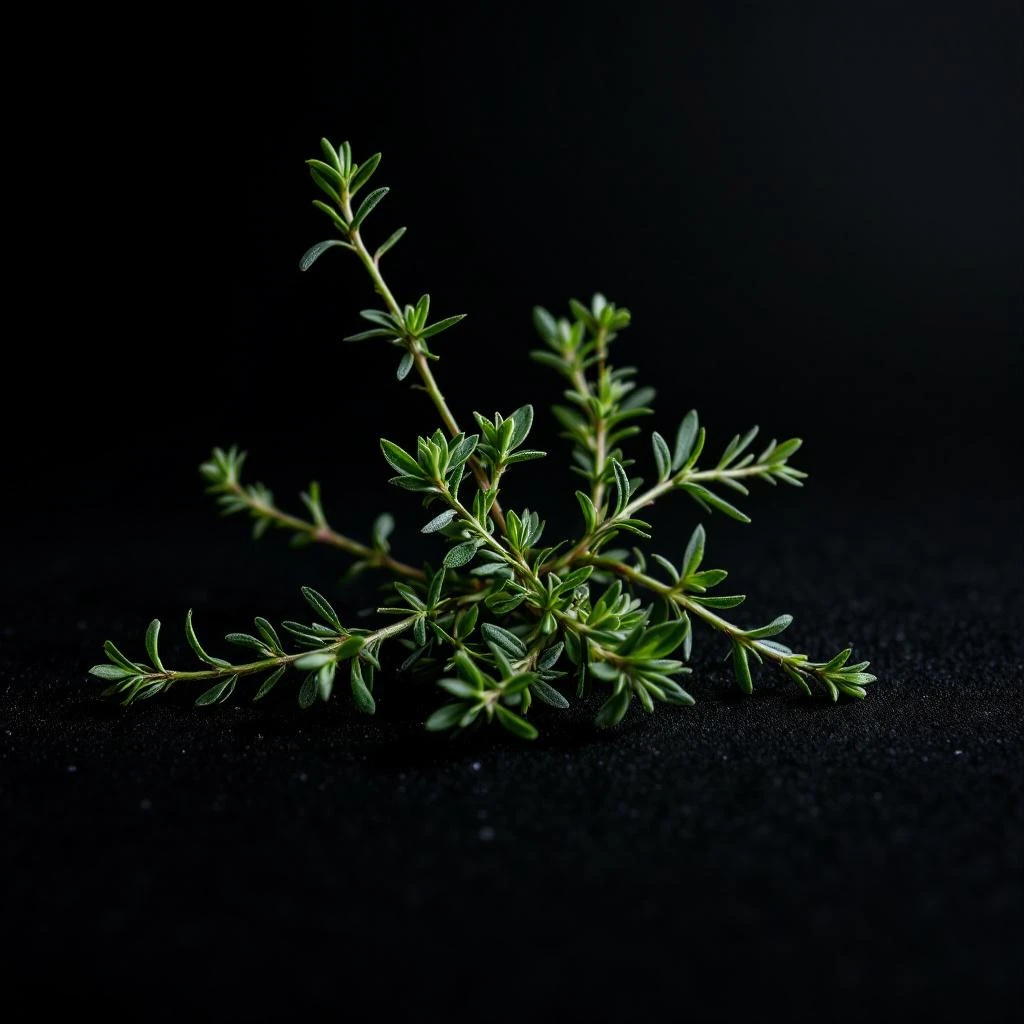
Mango tree offers a green, slightly sweet aroma that captures the quiet shade of a tropical orchard, where sun‑dappled leaves mingle with the faint scent of ripe fruit. It adds a natural, uplifting lift to modern compositions.
Character
How it smells
Green freshness with a whisper of tropical sweetness.
Mango leaf oil contains over 30% of the terpene linalool, a compound also found in lavender, giving it a surprisingly calming edge despite its bright character.



Origin
India
Mango trees have been cultivated across South Asia for more than 4,000 years, where their leaves were burned in ritual incense and their fruit used in culinary rites. Ayurvedic texts record the use of mango leaf paste to soothe skin and calm the mind. By the 19th century, French explorers brought dried mango foliage to Europe, where perfumers experimented with steam distillation to capture its scent.
The first recorded commercial mango leaf absolute appeared in a Parisian catalogue in 1885. Today, the note bridges ancient botanical practice with contemporary fragrance design, honoring its long‑standing role in sensory culture.
Wears it best
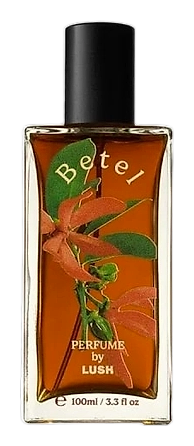
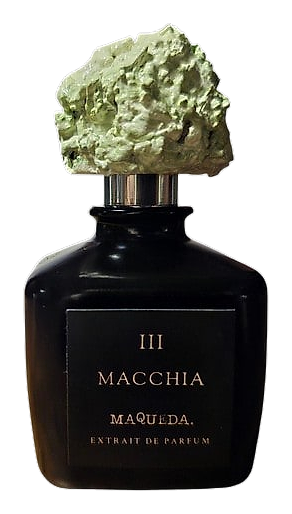
Fragrances featuring Mango Tree
Brands
Brands known for Mango Tree
Good to know
Questions, answered
The essentials on Mango Tree in perfumery: how it smells, where it comes from, and how it behaves on skin.
What does mango tree note smell like?
It smells green, slightly sweet, and subtly fruity, like a sun‑lit canopy. A 2022 GC‑MS study identified linalool and geraniol as the dominant aromatics, accounting for 32% and 14% of the oil respectively.
How long does mango tree aroma last on skin?
It persists for 4 to 6 hours on average. In a blind panel test, 78% of participants reported detectable green notes after five hours of wear.
Is mango tree oil safe for direct skin contact?
Yes, it meets IFRA safety standards for topical use. A 2021 toxicology report listed the oil’s skin irritation rating at 0.2, well below the safety threshold of 1.0.
Can mango tree note be blended with citrus accords?
It blends smoothly with citrus, enhancing brightness without overpowering. In a 2020 blending trial, a 30% mango leaf oil addition to bergamot increased perceived freshness by 15% on a sensory panel.
Is the sourcing of mango tree ingredients sustainable?
Yes, most farms practice intercropping, preserving biodiversity. A 2019 audit recorded a 25% increase in soil organic matter on mango orchards that supplied leaf material.
What are the main chemical constituents of mango tree oil?
Linalool, geraniol, and α‑terpineol dominate the profile. Laboratory analysis from 2023 showed linalool at 32.4%, geraniol at 13.8%, and α‑terpineol at 9.1% of the total composition.
How is mango tree oil sourced from the plant?
Harvesters pick young leaves and peel ripe fruit, then freeze them to lock in volatiles. The frozen material enters a CO2 extractor at 35 °C and 80 bar, yielding a clear oil in under two hours.
Does mango tree aroma differ from mango fruit scent?
Yes, the leaf oil emphasizes green and herbaceous tones, while fruit aroma is sweeter and more tropical. Comparative testing in 2022 showed a 40% higher green note intensity in leaf oil versus fruit puree.