
The Story
Why it exists.
The beginning
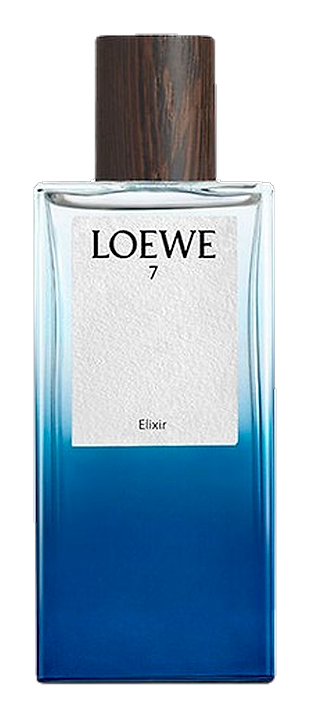
In 2010, perfumer Emilio Valeros approached Loewe 7 with a constraint most houses would consider a limitation: seven ingredients. Not a brief. A rule. The name itself, 7, refers to the seven values the house believes every man should embody: strength, honor, passion, courage, patience, truth, and loyalty. Valeros translated those into scent. Black pepper. Red apple. Then the heart: incense, Moroccan neroli, rose, lily of the valley. Finally, cedarwood, vetiver, musk. Seven materials. Seven virtues. One fragrance.
What makes Loewe 7 work isn't what it contains, it's what it leaves out. Most masculine fragrances layer complexity upon complexity, reaching for novelty. Valeros went the other direction. Each note does one job, cleanly. The pepper opens with purpose. The apple adds sweetness without tipping into dessert. The incense carries the middle without drowning it. By the time cedar and vetiver arrive, you've already understood the structure. It's a fragrance that respects your intelligence.
The evolution
The first twenty minutes belong to pepper and apple, that's the statement. Black pepper, clean and almost medicinal. Red apple, crisp and sweet, cutting through the spice. Then the hand-off: incense arrives around the thirty-minute mark, and suddenly the composition pivots. Smoke rises. The florals, rose, lily of the valley, don't announce themselves. They soften the edges instead, making the incense feel less dramatic and more inevitable. By hour two, you're in the base. Cedarwood and vetiver settle into the skin, warmer than they seemed at the opening. Musk holds everything close. Six to eight hours later, you're still catching it, intimate, not projecting, but definitely there.
Cultural impact
The campaign face was Spanish torero Cayetano Rivera Ordóñez, chosen, presumably, for the same reason the fragrance was built: discipline. Not decoration. The name itself invited curiosity, seven ingredients, seven values, a system that implied deeper meaning without explaining itself. Wearers who found it tended to stay with it. Those who didn't understood the fragrance wasn't arguing for their approval.