
The Story
Why it exists.
The beginning
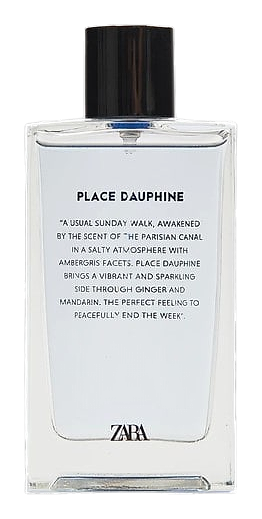
Place Dauphine is a small, almost secret square tucked behind the Île de la Cité in Paris, where the Seine splits around the island and the city suddenly quiets. The kind of place you stumble into by accident and don't tell anyone about. In 2020, perfumer Emilie Bevierre-Coppermann built a fragrance around that specific Parisian atmosphere, the hush you find when you stop looking for monuments and start paying attention. The name is an address, not a metaphor. It refers to the actual square, and the scent captures the quiet spirit of that hidden corner of the city.
What makes this composition unusual is how it handles salt. Salt shows up in fragrances as a marine note, the synthetic aquatic accord that's been done to death. Here, it's partnered with ambergris, an animalic material that brings warmth and a slightlydirty edge. The combination creates something that smells mineral and alive rather than clean and sterile. Bergamot and mandarin keep the opening bright and sparkling, but the ambergris- salt core prevents it from reading as another citrus fresher. It's that tension between the cool mineral note and the warm animalic base that gives Place Dauphine its character.
The evolution
The opening announces mandarin and bergamot first, bright, citrusy, with the clean sparkle of someone who's been near water. Ginger arrives quickly, adding a fresh heat that cuts through the sweetness. The fragrance begins crisp and energetic. Then the ambergris and salt assert themselves. The citrus fades but doesn't disappear entirely. What emerges is a salty-amber quality that smells like the moment sea air mixes with warm skin. The drydown is where this fragrance earns its name. Sandalwood and musk arrive slowly, bringing creaminess and intimacy. Leather lingers in the background, adding a quiet warmth. On skin that holds fragrance well, there's still something soft and close. With a sillage rating of 6.1/10, the projection stays close to the wearer rather than announcing itself across a room.
Cultural impact
Place Dauphine arrived in 2020, named after a quiet square in Paris that embodies contemplative urban life. The fragrance captures a specific atmosphere, translating the spirit of that hidden location into scent form. By choosing this particular name, Zara connects the fragrance to the romantic notion of European city life, placing an affordable option within an aspirational context. The composition reflects contemporary taste for complex, non-generic scents that stand apart from mass-market formulas.
The House
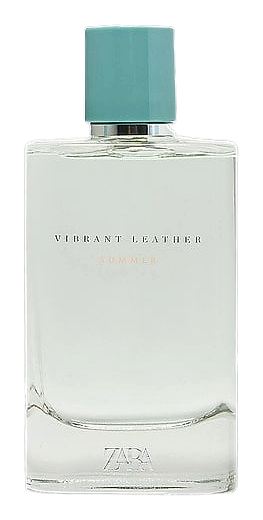
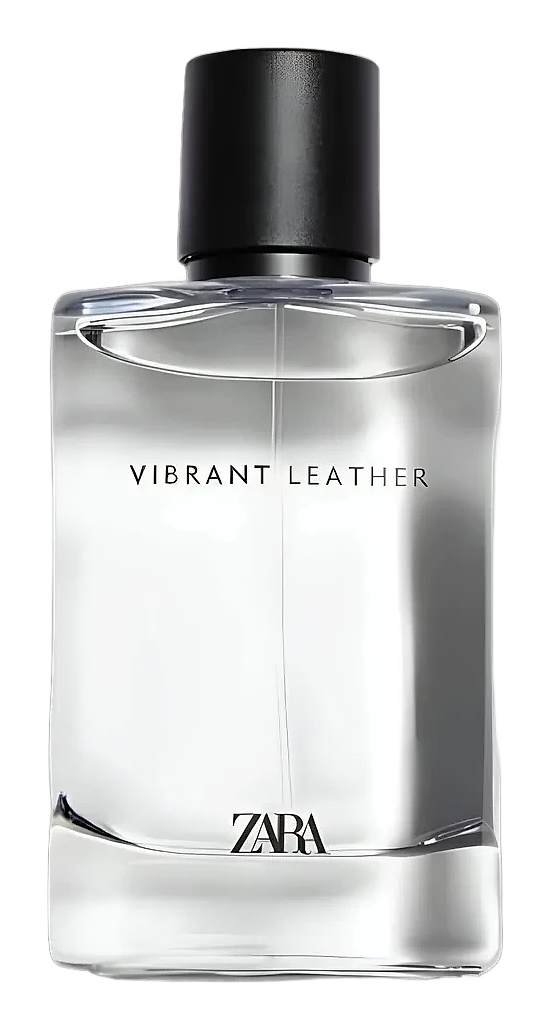
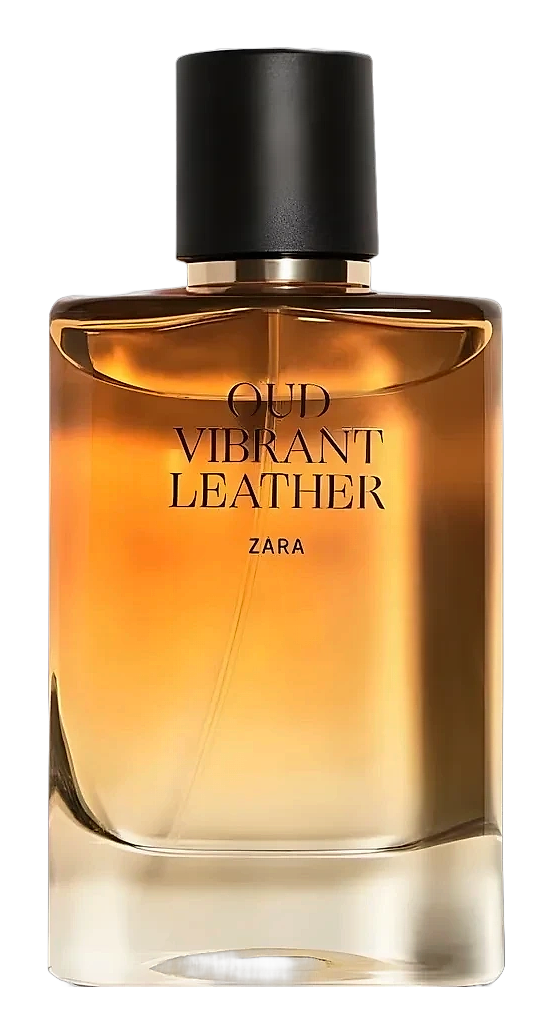
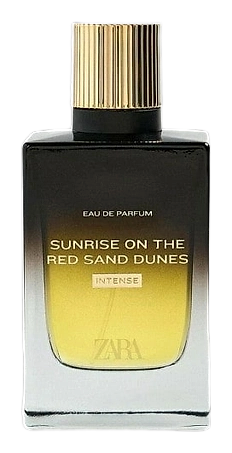
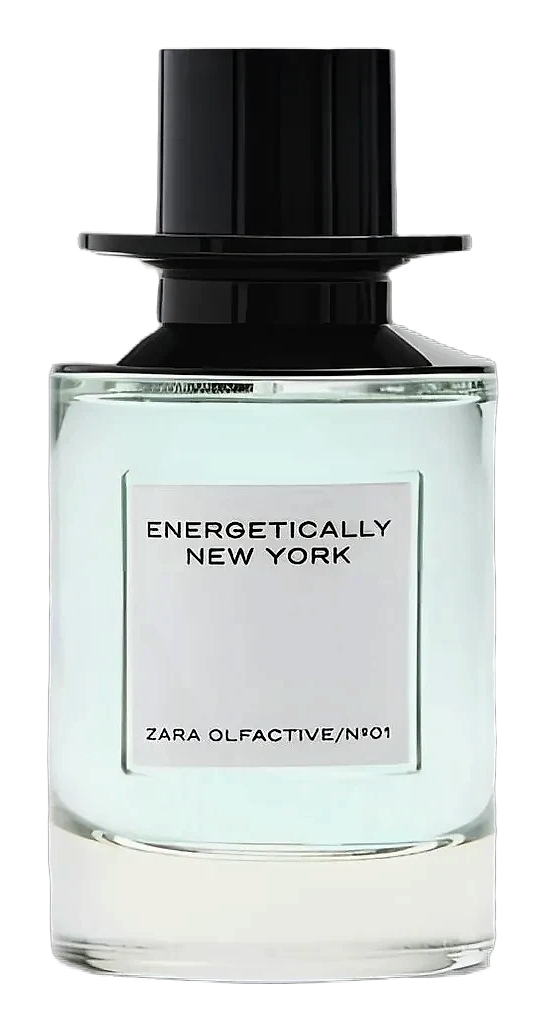
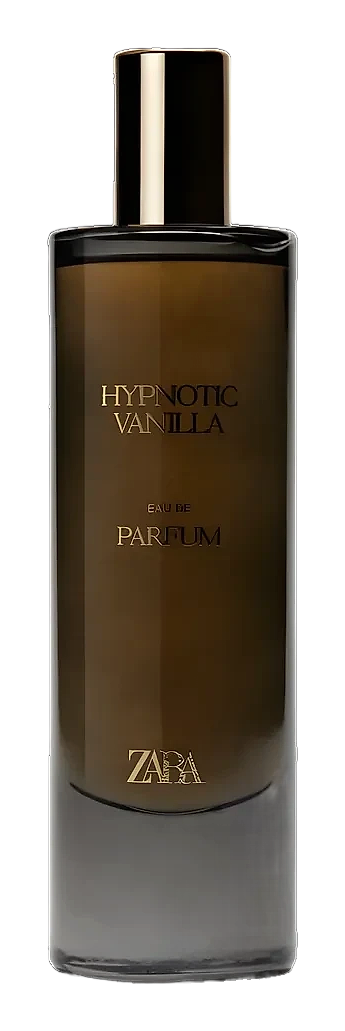
ZaraZara is a Spanish fashion retailer headquartered in Arteixo, Galicia, operating under the Inditex group. Founded in 1975 by Amancio Ortega and Rosalía Mera, the brand evolved from a single store into a global fashion powerhouse with over 2,000 locations across 90 countries. Zara entered the fragrance market in 1998 through a partnership with Spanish fragrance house Puig. The brand gained significant attention in the fragrance world through its 2019 collaboration with independent perfumer Jo Malone CBE, founder of Jo Loves. Zara fragrances are available through the brand's own boutiques and online store, positioned alongside its clothing, accessories, and home goods lines. The brand's fragrance portfolio spans diverse styles, from gourmand favorites like Delicious Peach (2024) to timeless classics such as Zara Man 2000, with recent releases including Vibrant Leather Summer Breeze (2025).
The Creator
Emilie Bevierre-CoppermannÉmilie favors crisp, structured compositions that balance bright top notes with a warm, lingering base. She often begins with a clear, aromatic opening—citrus, green tea or a sparkling berry—then anchors the piece with woods, amber or subtle musk.