The Story
Why it exists.
The beginning
Emilie Bevierre-Coppermann designed Parc Floral around a tension: cool mineral notes against warm, powdery iris. The name suggests a green space, something structured within nature, hedgerows and gravel paths. But the fragrance itself isn't literal about any garden. It's more interested in the idea of fresh air and soft powder living in the same composition, neither one winning. The 2020 release found a lane between clinical clarity and something wearable, built for skin rather than projection.
What makes Parc Floral unusual is the mineral note acting as a bridge rather than a destination. In most fragrances, mineral reads aquatic or oceanic, here it grounds the iris, keeps the powder from going too soft. The amber doesn't sweeten so much as add weight. Violet and jasmine lift slightly. Rosewood in the base gives it somewhere to settle. It's a composition that knows what it's doing without shouting it.
The evolution
The opening hits clean, mineral clarity, a little cold, like damp stone. Within 10 minutes the iris arrives, softening everything into powder. The jasmine shows up in the heart but never overwhelms; it's there to add texture, not drama. Amber settles underneath around the 2-hour mark, adding warmth without sweetness. The drydown is quiet rosewood and musk, close to skin, intimate projection, the kind of scent that someone notices only when they're already next to you. The fragrance evolves slowly on the skin, each phase bleeding gently into the next rather than making abrupt transitions. There's a deliberate restraint to how it develops, never shouting for attention but rewarding those who lean in closer.
Cultural impact
Parc Floral arrived as part of Zara's expansion into more considered fragrance territory, offering something that leans away from the obvious. The scent carved a specific niche: not the bold, sweet florals that came before, but something more restrained, almost clinical in its precision. What makes this fragrance notable is its commitment to a particular sensibility, one that favors restraint over projection, texture over sweetness. The mineral-iris combination gives it an architectural quality, cool and structured without feeling austere.
The House
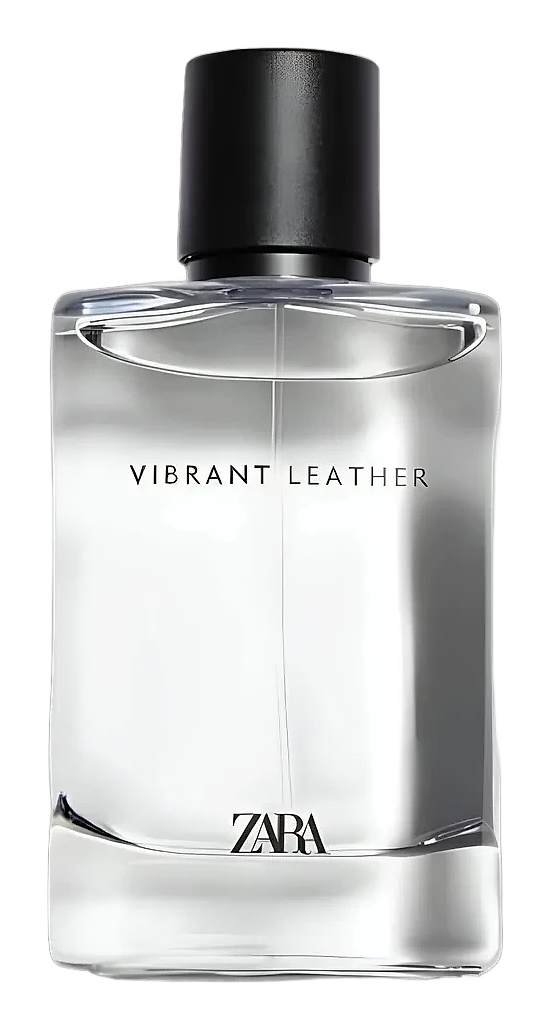
ZaraZara is a Spanish fashion retailer headquartered in Arteixo, Galicia, operating under the Inditex group. Founded in 1975 by Amancio Ortega and Rosalía Mera, the brand evolved from a single store into a global fashion powerhouse with over 2,000 locations across 90 countries. Zara entered the fragrance market in 1998 through a partnership with Spanish fragrance house Puig. The brand gained significant attention in the fragrance world through its 2019 collaboration with independent perfumer Jo Malone CBE, founder of Jo Loves. Zara fragrances are available through the brand's own boutiques and online store, positioned alongside its clothing, accessories, and home goods lines. The brand's fragrance portfolio spans diverse styles, from gourmand favorites like Delicious Peach (2024) to timeless classics such as Zara Man 2000, with recent releases including Vibrant Leather Summer Breeze (2025).
The Creator
Emilie Bevierre-CoppermannÉmilie favors crisp, structured compositions that balance bright top notes with a warm, lingering base. She often begins with a clear, aromatic opening—citrus, green tea or a sparkling berry—then anchors the piece with woods, amber or subtle musk.