The Story
Why it exists.
The beginning
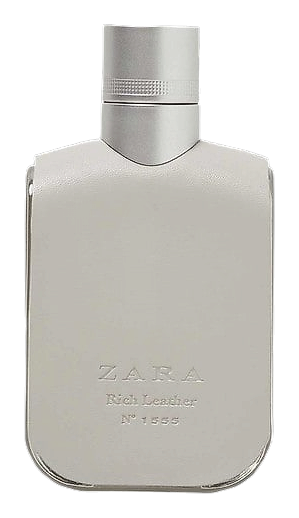
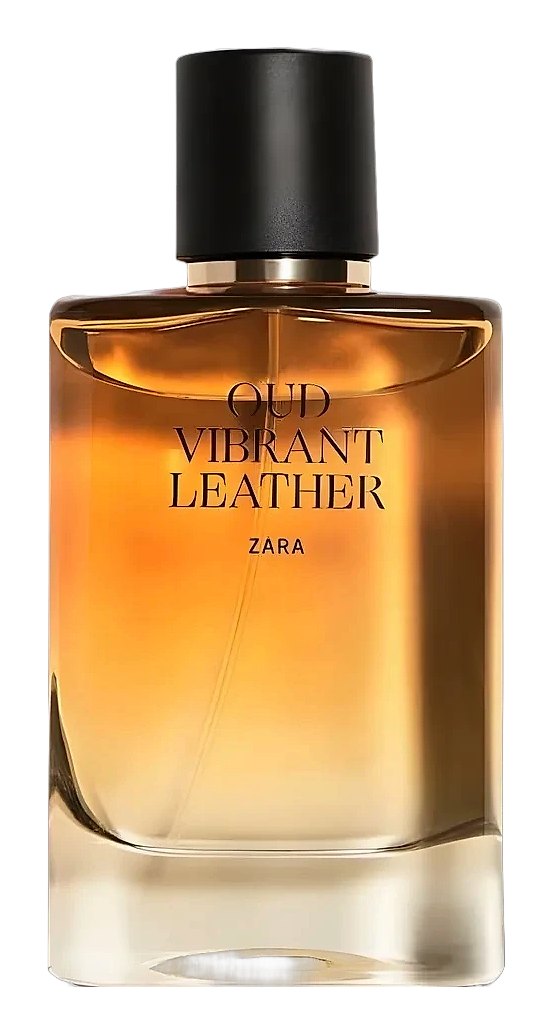
In 2019, Zara turned to perfumer Jérôme Epinette to build something that went against the accessible-fashion expectation. Not a safe scent. Not a polite one. Vibrant Leather Oud was the answer. The brief: take bergamot's brightness and challenge it against the depth of agarwood. Let them fight. Let them settle. The result had to feel like what it was named, leather, yes, but leather under heat, under smoke, under something that actually lingers when the room empties out.
What makes this work is the structural friction between bergamot's cold citrus and the resinous warmth of oud. They shouldn't coexist peacefully, and they don't. Bergamot opens sharp and slightly bitter, a gauntlet. Incense and woody notes arrive to smooth the edges, not soften them. The amber in the base acts as bridge and amplifier both: it holds the oud close to skin while giving the whole composition what Zara's official copy calls 'tenderness.' That word is doing real work here. Without it, this is just another dark fragrance. With it, there's a pulse.
The evolution
The bergamot opening hits hard and fast, sharp citrus that some wearers describe as bitter, almost harsh on first spray. Skin chemistry makes itself known here. Within minutes, incense begins to untangle, bringing waxy warmth that smooths the edges. The drydown doesn't arrive so much as accumulate. Oud and amber build quietly beneath the surface, and by the time the citrus has fully departed, what's left is warm, smoky, and resinous. On skin, 4-6 hours. On fabric, it outlasts the day.
Cultural impact
Affordable leather-oud compositions exist across several houses, but Vibrant Leather Oud holds its place by not trying to hide what it costs. The fragrance commits fully to its leather orientation, smoky, warm, resinous. It doesn't perform niche. It performs Zara. This is the mass-market counter-argument to the idea that oud must cost hundreds.