White copal resin
White copal resin bridges living tree and ancient amber. Harvested by tapping Bursera and Protium species, it yields a resinoid prized for its smoky, balsamic warmth and warm resin signature that has anchored perfumes for millennia.
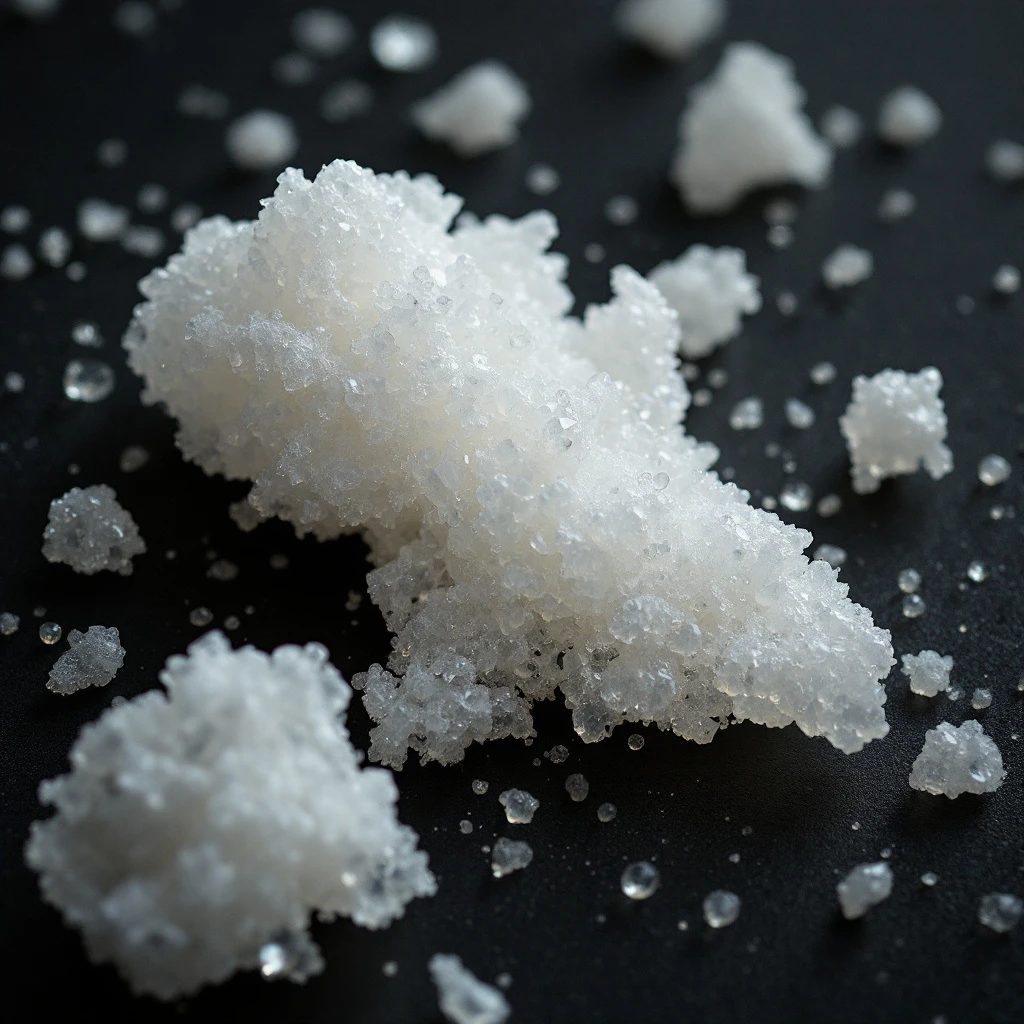
Character
How it smells
The incense that built empires.
The word "perfume" traces back to Latin 'per fumum,' meaning "through smoke" — a direct nod to copal and similar resins burned as sacred incense in ancient ceremonies.


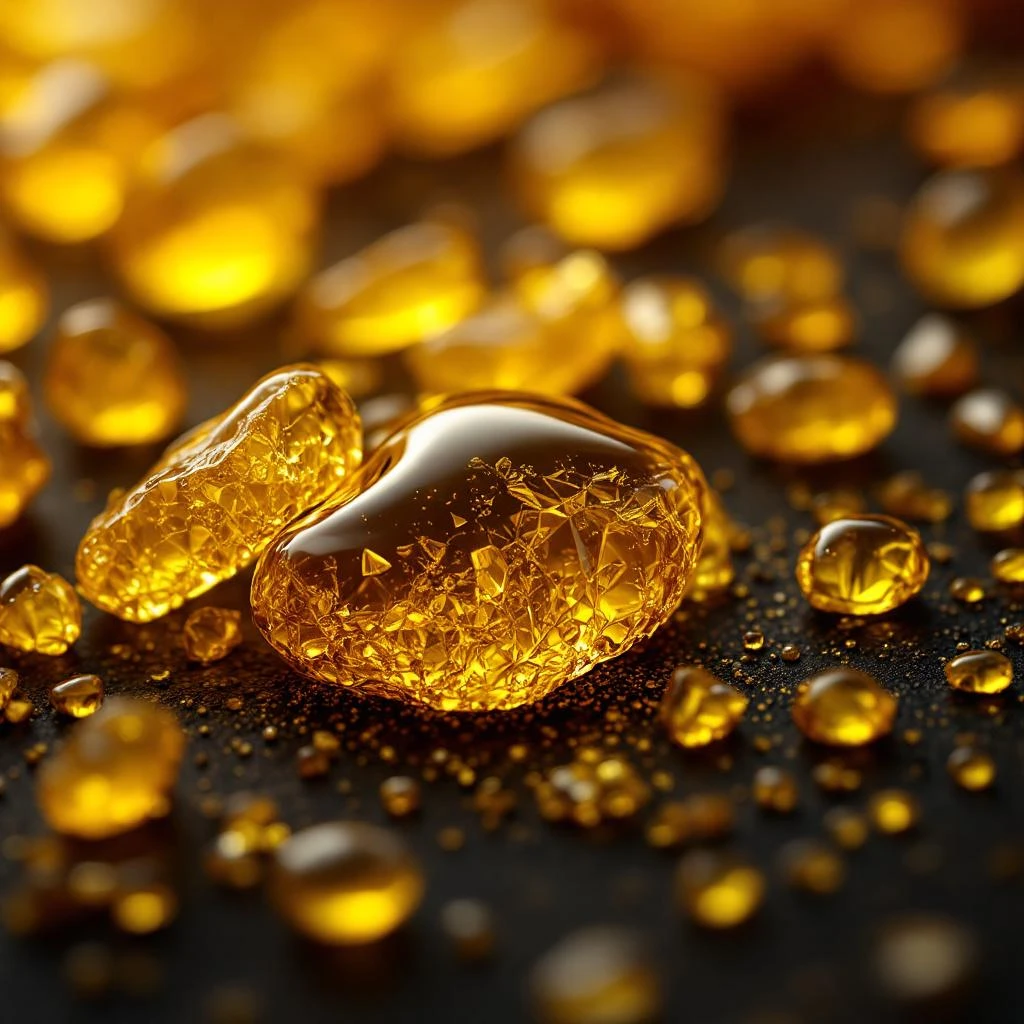


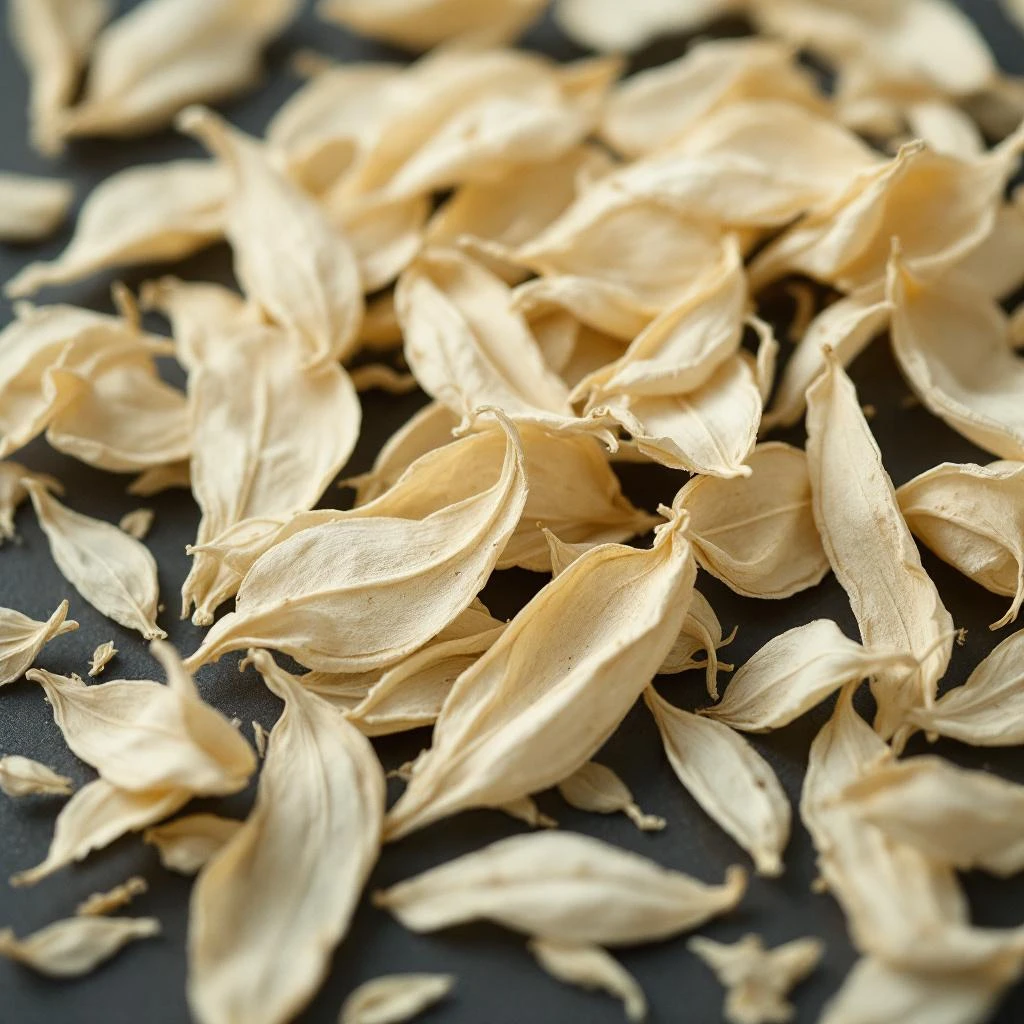
Origin
Mexico
White copal resin is one of the oldest aromatic materials in human history. Mesoamerican civilizations — the Maya, Aztec, and Inca — all held this resin in sacred regard, calling the source tree "Copalquahuitl." Aztec texts describe copal burned daily at dawn in homes and temples, with resin cast to the four winds as a divine offering.
Priests used it in ceremonies, burners were placed at household altars, and figurines were molded from the resin itself. Beyond the Americas, copal-producing trees grow across Colombia, Madagascar, East Africa, and Indonesia, each region developing its own relationship with the material over centuries. Unlike fully fossilized amber, copal is considered a young resin — somewhere between fresh tree exudate and ancient fossilized material.
This intermediate status gives it a vibrant aromatic character that distinguishes it from both fresh gum resins and aged amber, making it uniquely prized in perfumery.
Wears it best
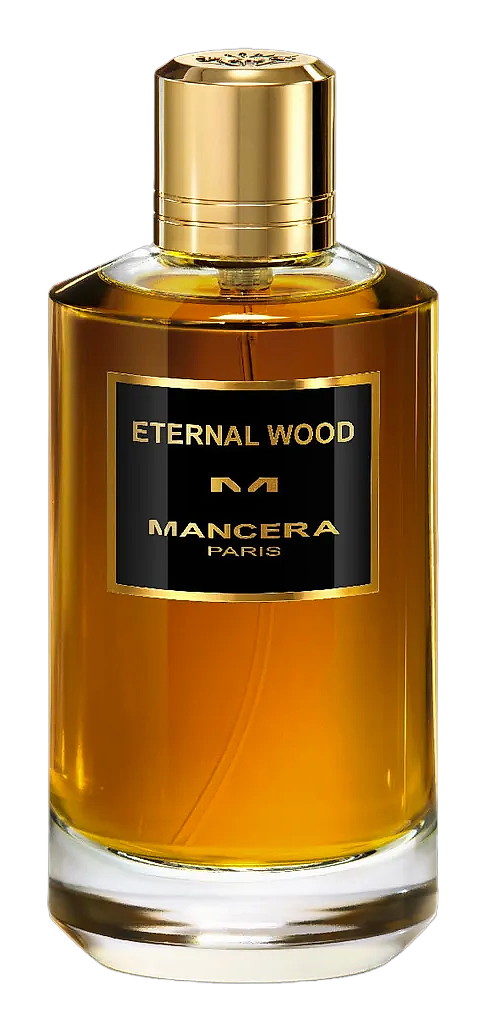
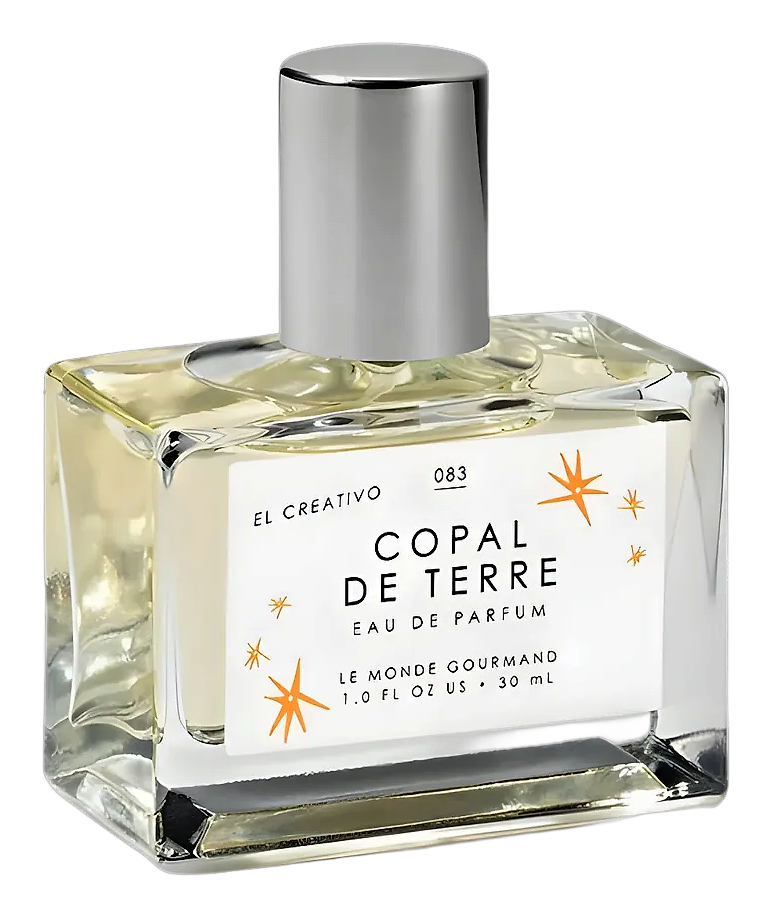
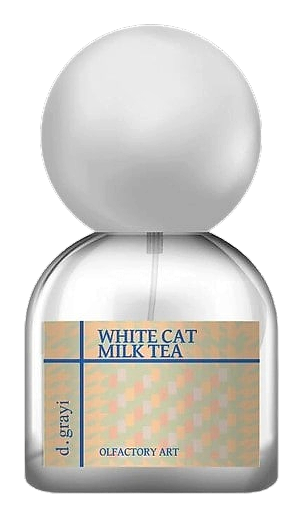
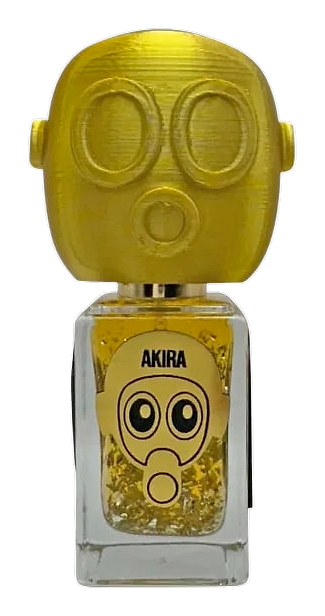
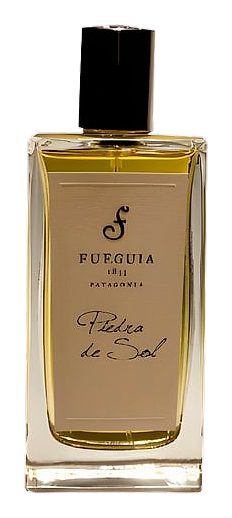
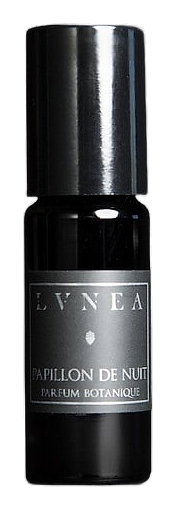
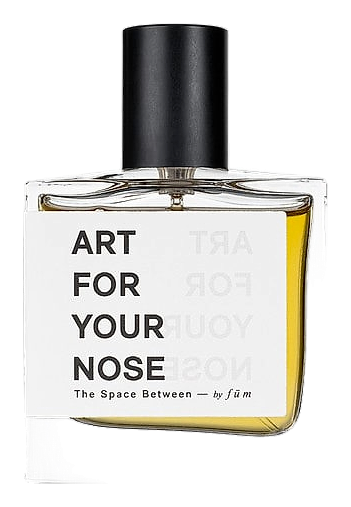
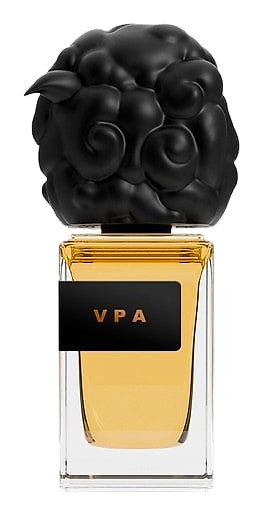
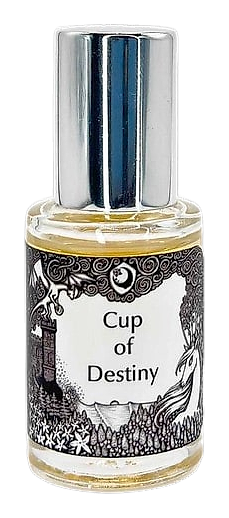
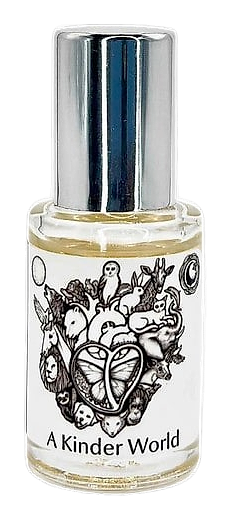
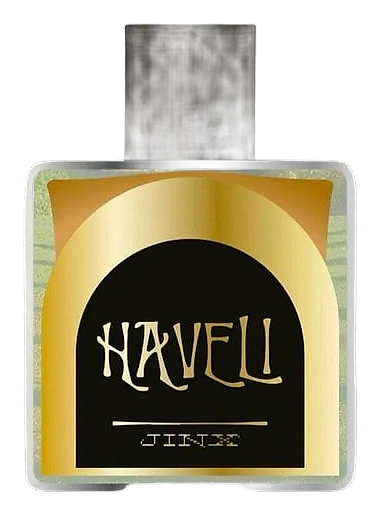
Fragrances featuring White copal resin

Brands
Brands known for White copal resin
Good to know
Questions, answered
The essentials on White copal resin in perfumery: how it smells, where it comes from, and how it behaves on skin.
What is white copal resin?
White copal is a semi-fossilized tree resin sourced primarily from Bursera and Protium species in Mexico, Colombia, Madagascar, East Africa, and Indonesia. It sits between fresh resin and ancient amber in age, giving it a distinctive warm, smoky aromatic profile perfumers value.
What does white copal resin smell like?
White copal resin produces a warm, resinous scent with balsamic and conifer-like facets. In dilution, it reveals softly smoky and slightly sweet notes with a warm base that blends well with woods, herbs, and spice materials.
How is white copal resin harvested?
Harvesters tap living trees by making careful incisions in the bark of Bursera or Protium species. The resin exudes and hardens over time, then is collected and cleaned. Sustainable tapping practices are critical to maintaining tree health and resin quality.
How is white copal resin processed for perfumery?
After collection, raw copal resin undergoes solvent extraction to produce a resinoid. This concentrated material can be used directly in fragrance compounds and blends seamlessly with materials like vetiver, sandalwood, and incense bases.
What role did copal play in ancient Mesoamerican culture?
The Maya, Aztec, and Inca civilizations used copal as a primary ritual incense. Aztec sources document daily dawn offerings in homes and temples, with resin cast to the four winds as a divine act. It was considered a direct bridge between the human and spiritual worlds.
How does white copal differ from true amber?
Amber is fully fossilized tree resin, often millions of years old. Copal is considered a young resin — typically thousands of years old at most. This intermediate age means copal retains more of its original volatile aromatic compounds, giving it a fresher, more vibrant scent profile.
Why is white copal important in perfumery today?
White copal resin brings a warm, smoky resinous character that adds depth and longevity to fragrance compositions. Its versatility allows perfumers to use it in both oriental and contemporary woody constructions, often as a base note or fixative.
Where does the highest-quality white copal come from?
Mexico is considered the primary origin of perfumery-grade white copal resin, where Bursera species have been tapped for millennia. Colombia, Madagascar, East Africa, and Indonesia also produce copal varieties, each with subtly different aromatic characteristics shaped by their local species and terroir.