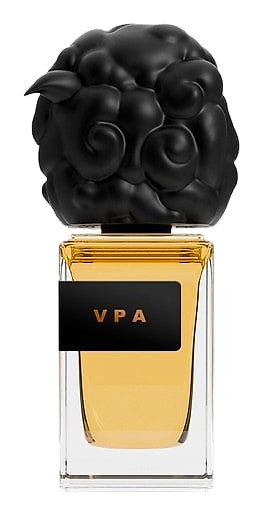

The Story
Why it exists.
The beginning
VPA arrived in 2024 from Pisello Parfum, a Mexico City house that treats fragrance as a conversation with its audience rather than a monologue from a perfumer. Manuel Alejandro Bojorquez Segovia built this one around a collision: mezcal's smoke, coconut's warmth, and lime's brightness. The opening delivers mezcal smoke with a sharpness that cuts through the air, immediately followed by lime zest that adds a bright, almost electric quality to the composition. As the initial intensity settles, coconut emerges to soften the spirits-forward approach, wrapping the smoke and citrus in a creamy tropical warmth that keeps the fragrance from becoming too austere.
The choice of white copal resin as a base note adds an intriguing dimension beyond the spirits-forward opening. Copal brings a resinous, warm quality to the drydown that feels grounded and substantial, anchoring the more playful mezcal and coconut elements from the opening. Bourbon oak barrel complements the copal, adding depth and a subtle woodiness that carries through the later stages of wear.
The evolution
The opening hits with mezcal smoke and lime zest colliding, sharp and spirituous, the kind of brightness that demands attention. Thirty seconds in, coconut arrives, softening the edges without diluting them, threading warmth through the spirits in a way that feels natural rather than added on. Fruity notes add a sweetness that reads as tropical warmth, the kind of sun-drenched quality that suggests somewhere warm rather than anywhere synthetic. By the time the heart settles, a mojito reference becomes clear, not through mint but through a cool sweet-bitter quality that suggests the refreshing character of that cocktail without literally replicating it. Marine notes lift the heart, adding an airy quality that keeps the sweetness from becoming heavy.
Cultural impact
VPA draws on mezcal and copal resin, materials rooted in Mexican tradition, integrating artisanal spirit culture into its scent design. Rather than using these materials as exotic accents, the fragrance centers its own cultural context, building from ingredients with established heritage in Mexican craft. The mezcal note connects to a broader tradition of spirit production in Mexico, while copal resin has been used in perfumery and ritual contexts. The house works with these materials in ways that feel authentic to their origins rather than purely conceptual.