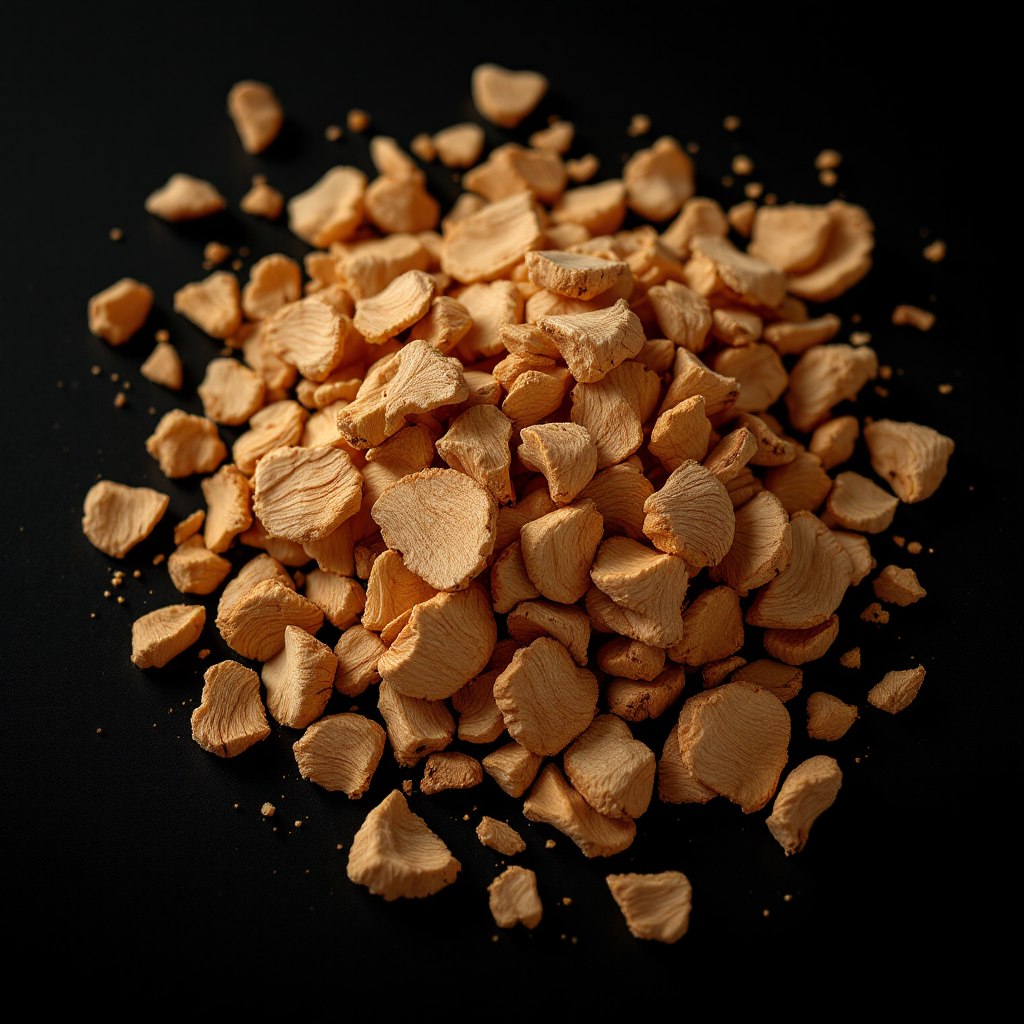
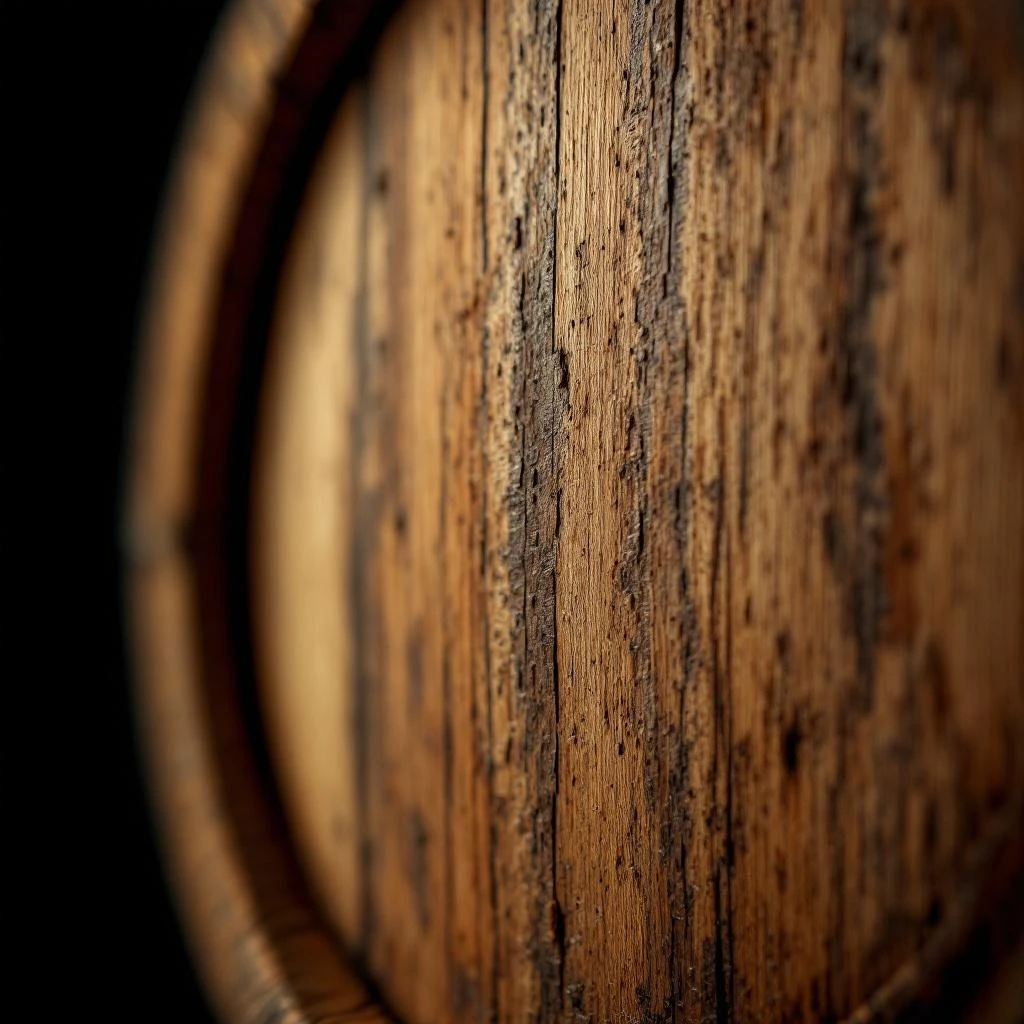
Oak barrel
Oak barrel brings depth and warmth to fragrances through years of spirit aging. The wood imparts vanilla, coconut, and smoky undertones that evolve beautifully in compositions.
Character
How it smells
Warmth aged in wood, captured in scent.
French distilleries in Limousin use the same oak barrels for over 50 years, with each decade adding new aromatic layers to the wood itself.







Origin
France
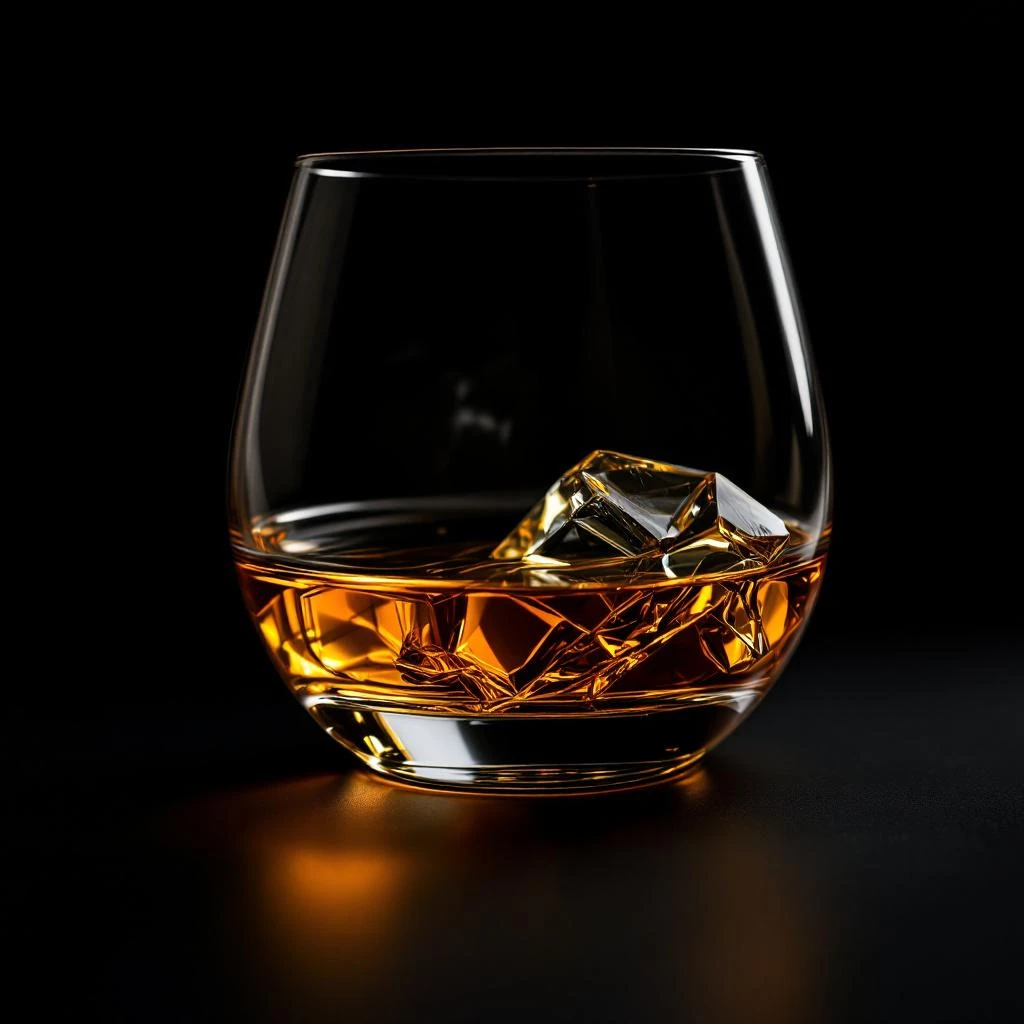
Oak has served as a storage vessel for wine and spirits for thousands of years, but its role in perfumery emerged more recently. During the 19th century, French perfumers near Grasse began experimenting with aging fragrances in oak barrels previously used for cognac.
This technique borrowed from winemakers who understood that oak's porous structure allowed slow oxidation while extracting wood compounds. The practice became particularly significant after World War II when perfumers sought richer, more complex base notes.
Today, prestige houses maintain barrel aging rooms where fragrance concentrates rest for months or years in custom oak vessels. The tradition connects modern perfumery to ancient storage methods while adding temporal depth to contemporary compositions.
Wears it best
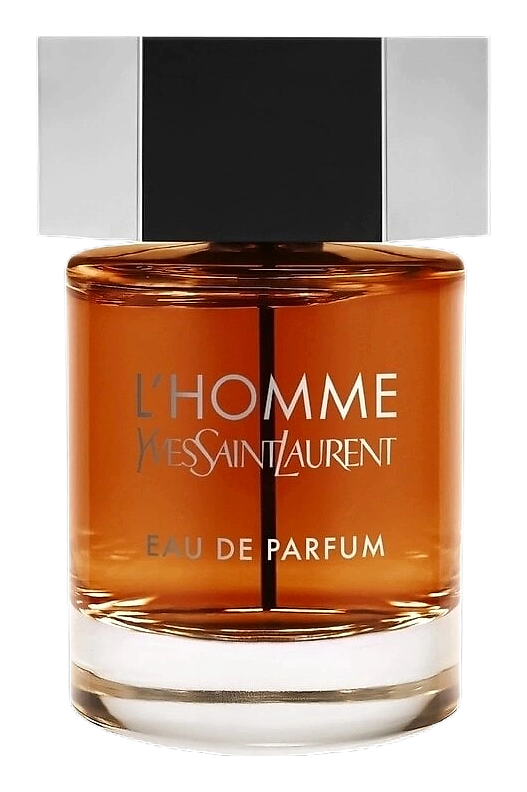
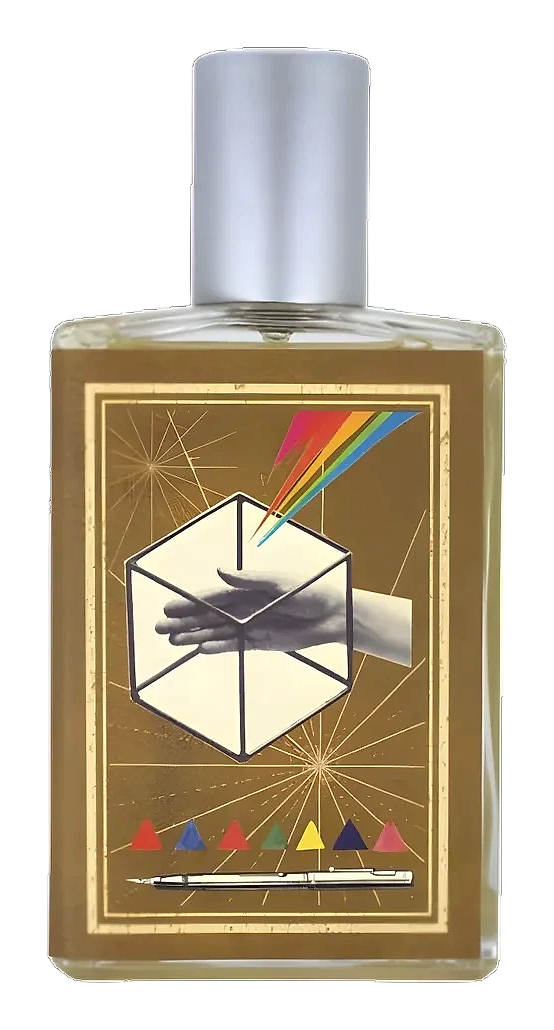
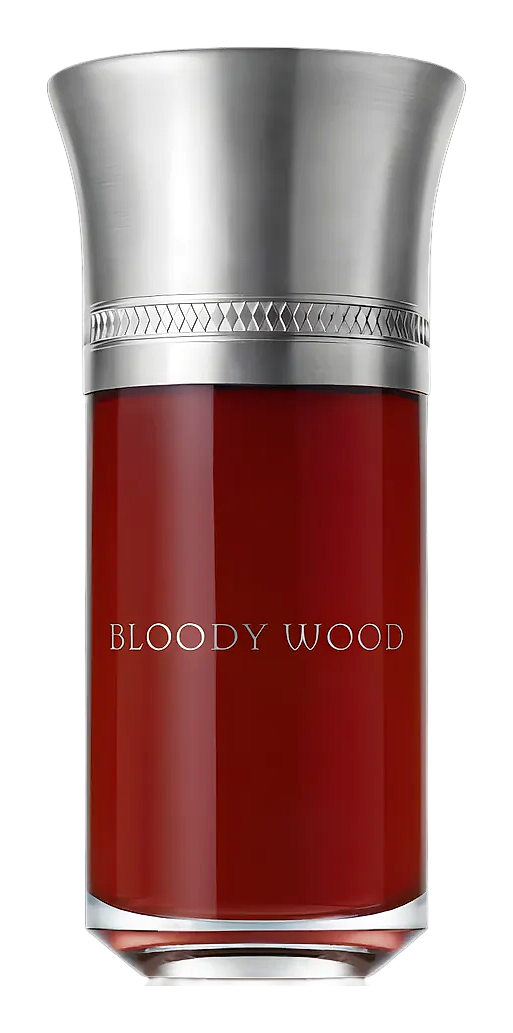
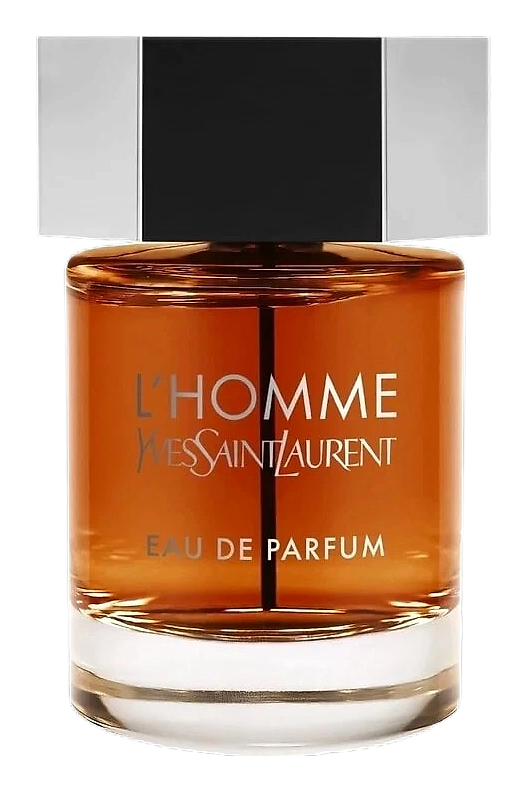
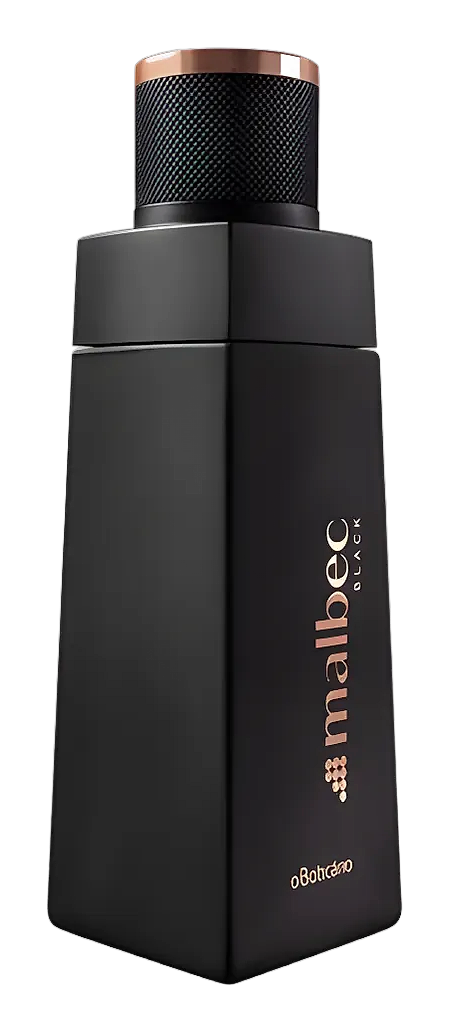
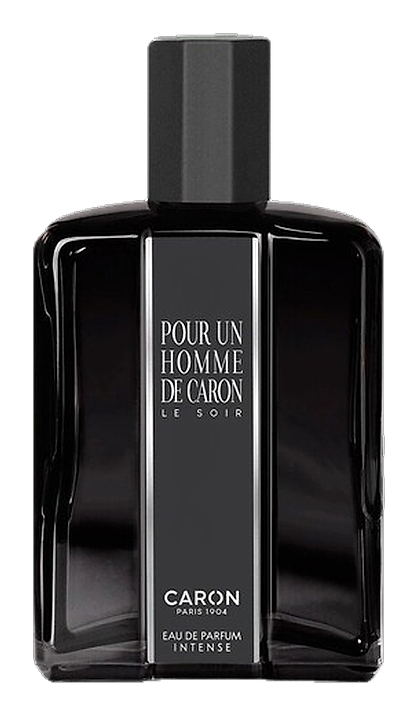
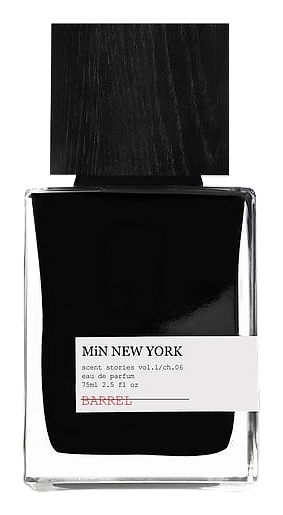
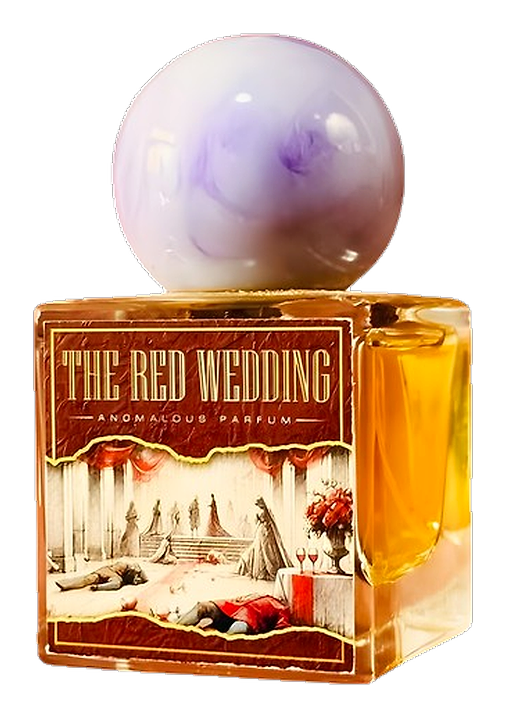
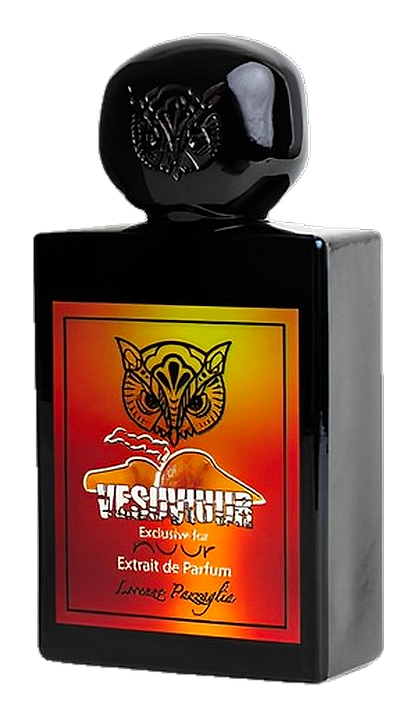
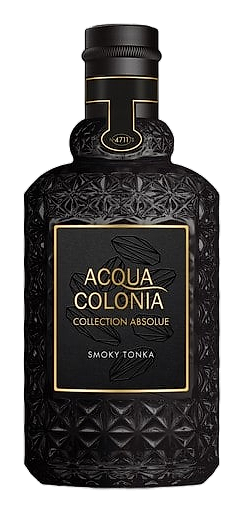
Fragrances featuring Oak barrel


Brands
Brands known for Oak barrel
Good to know
Questions, answered
The essentials on Oak barrel in perfumery: how it smells, where it comes from, and how it behaves on skin.
What does oak barrel smell like in perfume?
Oak barrel typically smells warm and woody with vanilla undertones, subtle coconut notes, and occasional smoky or spicy accents depending on toasting level.
Is oak barrel a natural or synthetic ingredient?
Oak barrel is a natural material. Perfumers use either aged barrel fragments, oak extracts, or individual oak-derived compounds like whiskey lactone and vanillin.
How long are fragrances aged in oak barrels?
Aging periods range from several weeks to multiple years. Some luxury houses age fragrance concentrates for three to five years in custom oak vessels.
Which oak is best for perfumery?
French oak from the Limousin and Tronçais forests is considered premium. It has finer grain and delivers more balanced vanilla and woody compounds than American oak.
What compounds does oak wood contain?
Oak contains vanillin for sweet vanilla notes, whiskey lactone for coconut character, eugenol for spice, and furfural for roasted undertones.
Does oak barrel smell like whiskey?
Not necessarily. Oak barrel can smell like whiskey but also like wine, rum, or other aged spirits depending on the barrel's previous contents.
Which fragrance families use oak barrel notes most?
Oak barrel appears most in oriental, woody, and amber fragrances. It adds depth to men's fragrances but also features in warm feminine compositions.
Can I smell oak barrel in everyday perfumes?
Many mid-range and luxury perfumes contain oak notes or oak extracts. Check for keywords like 'wood', 'amber', or 'vanilla' to find them.