Mezcal
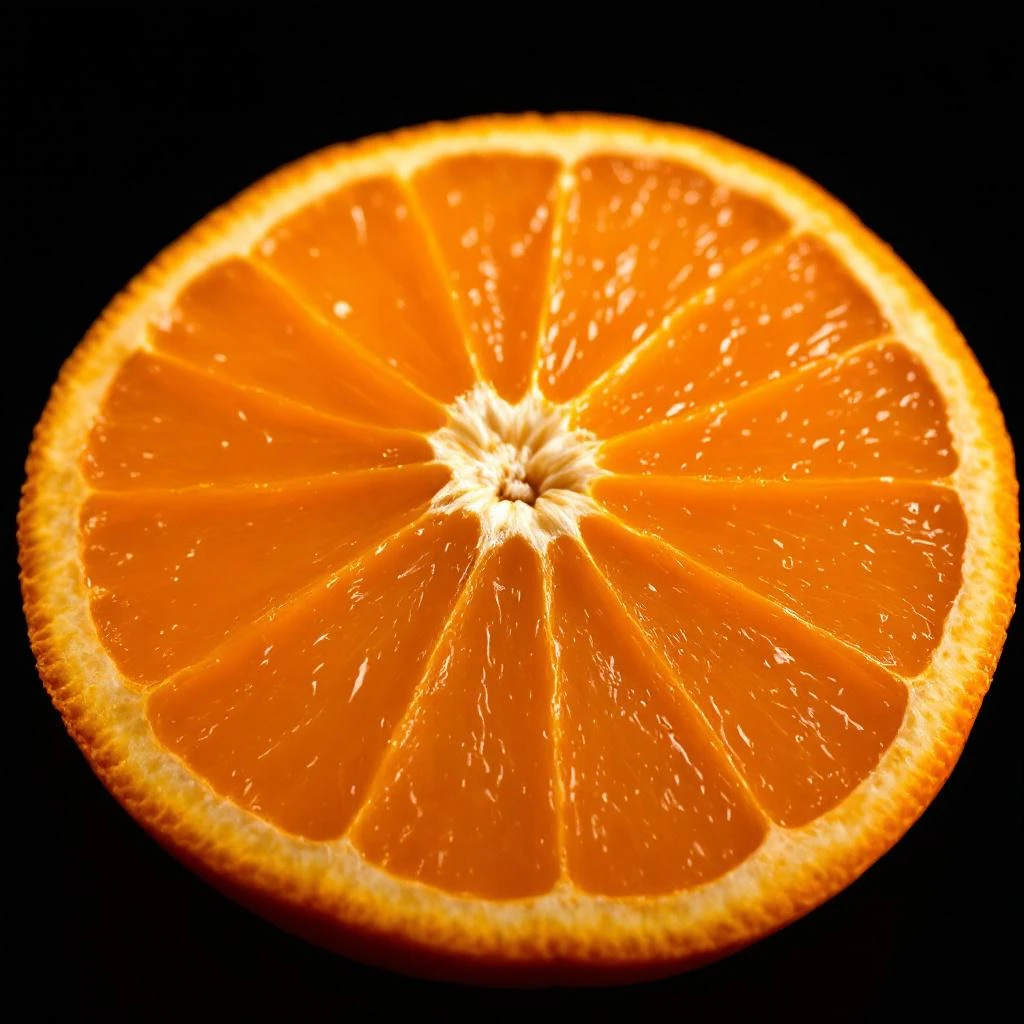
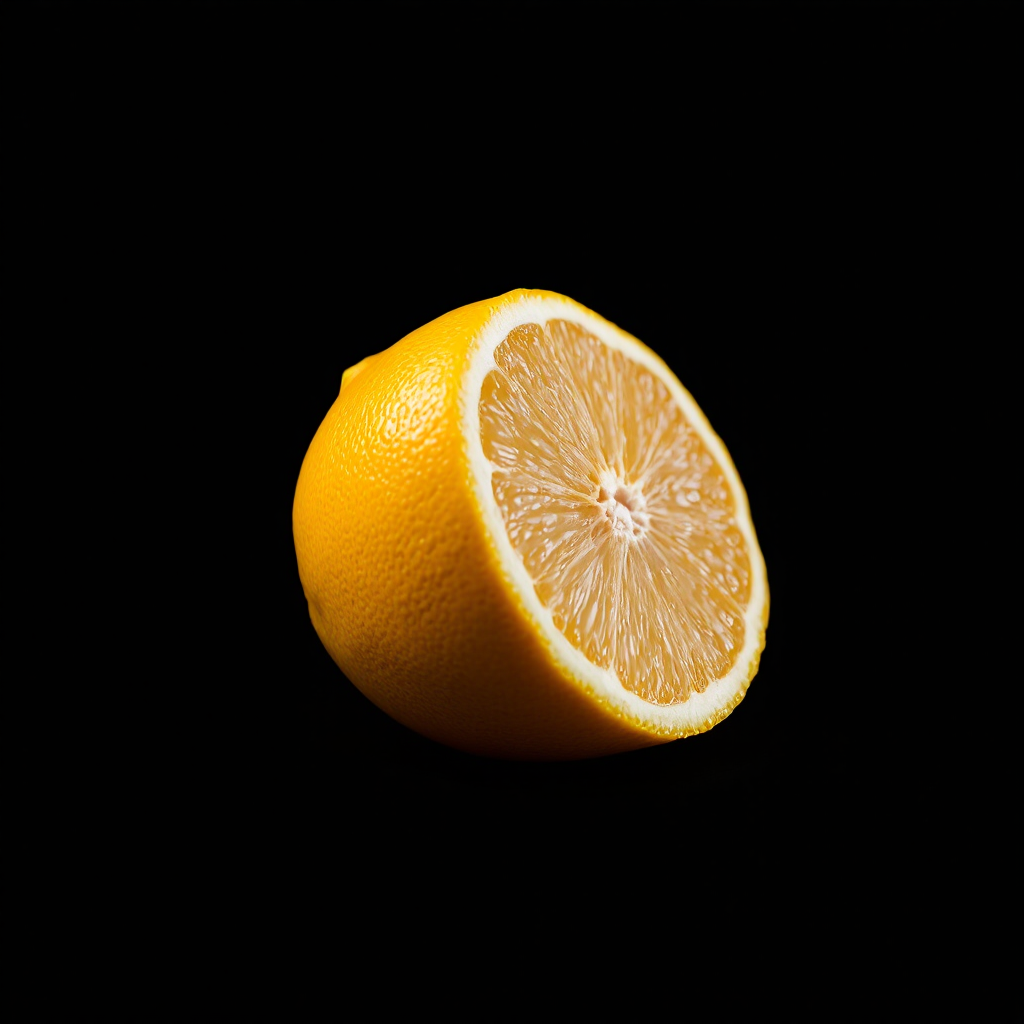
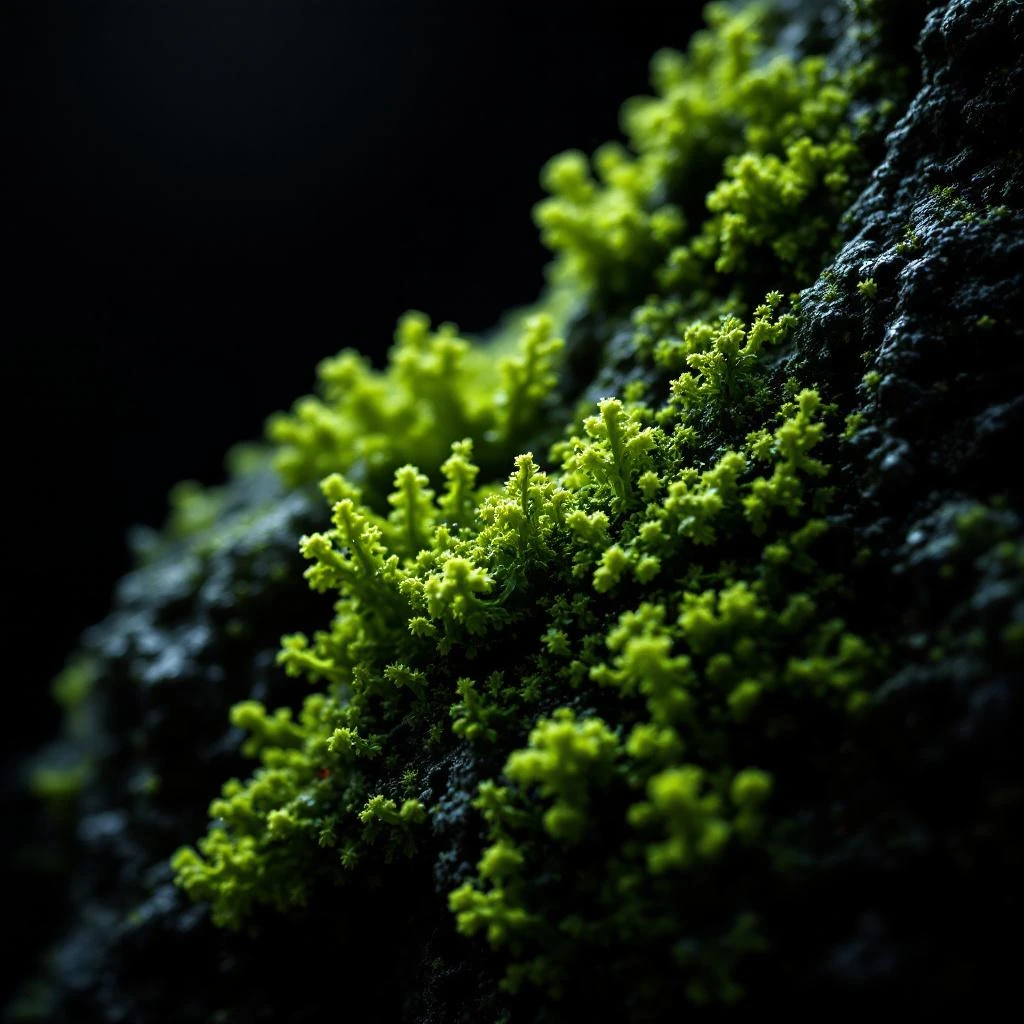
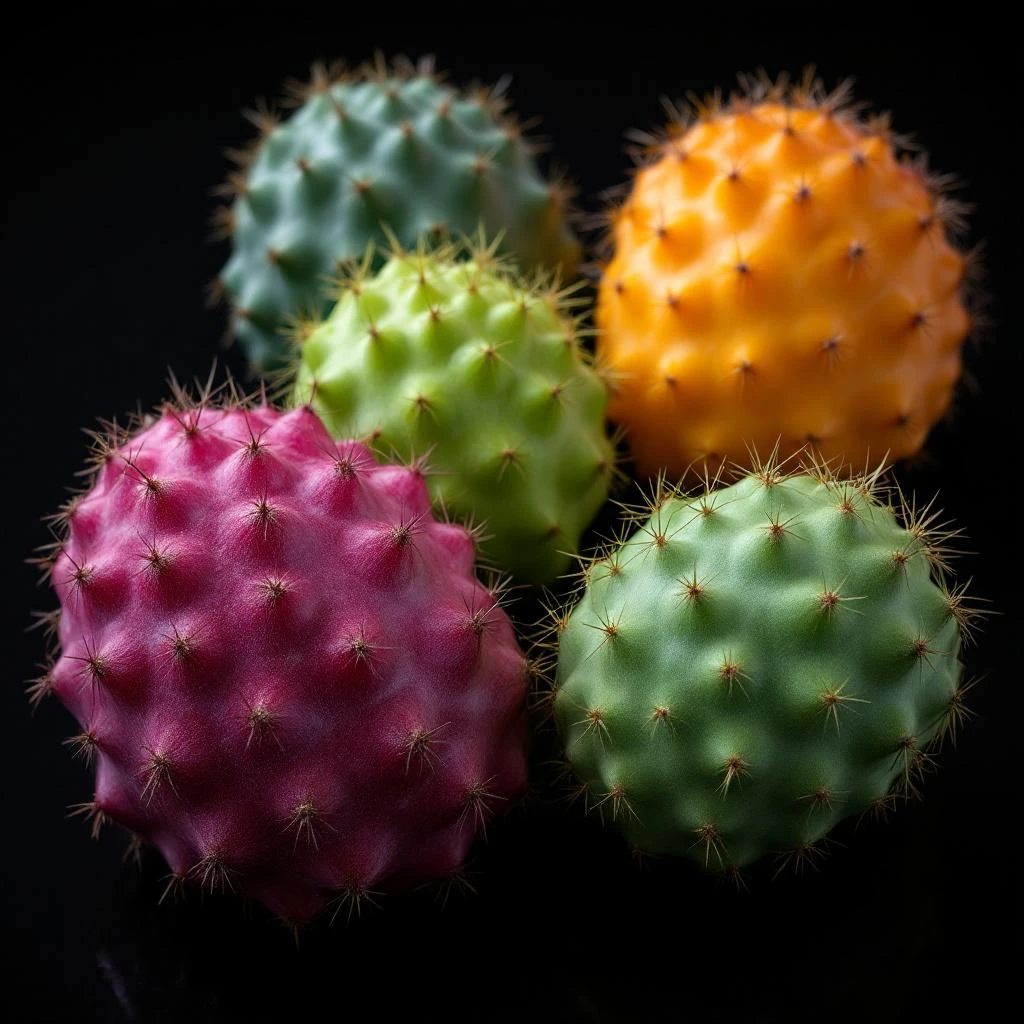
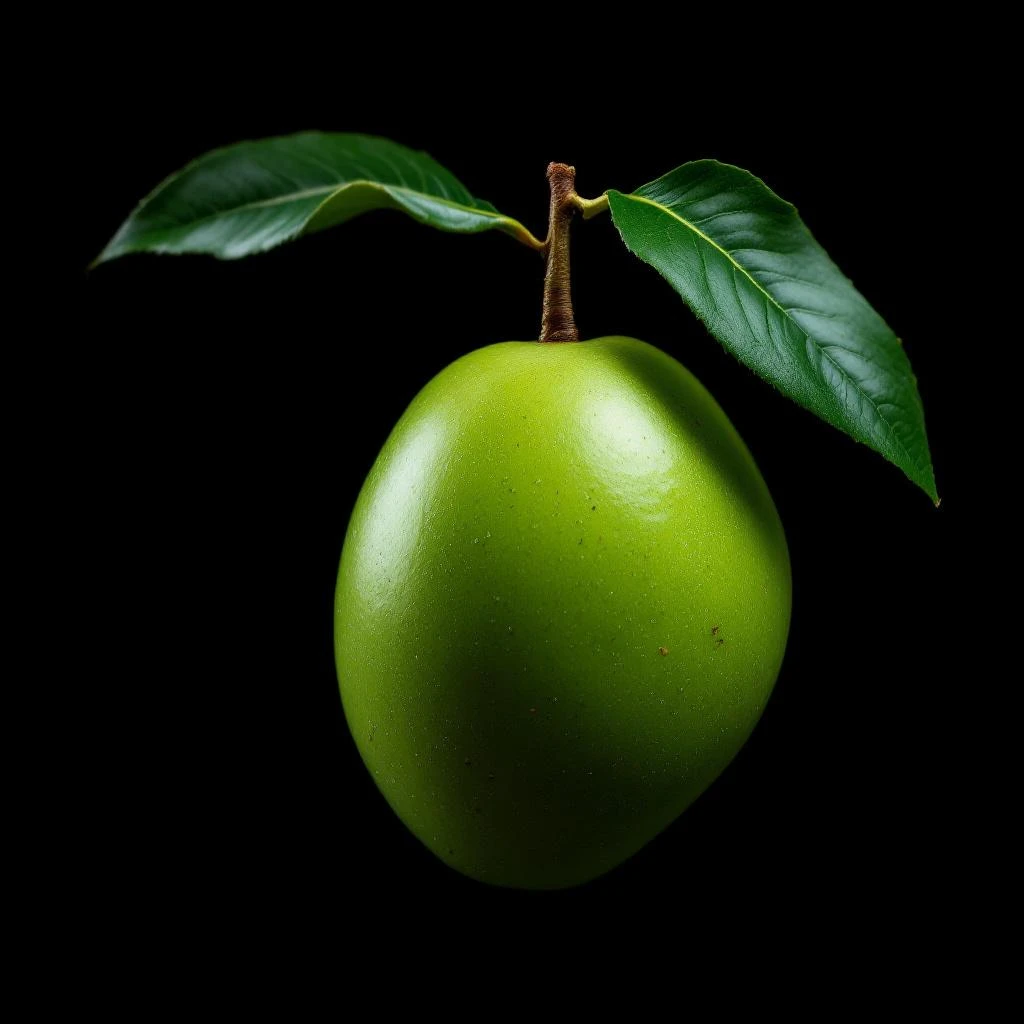
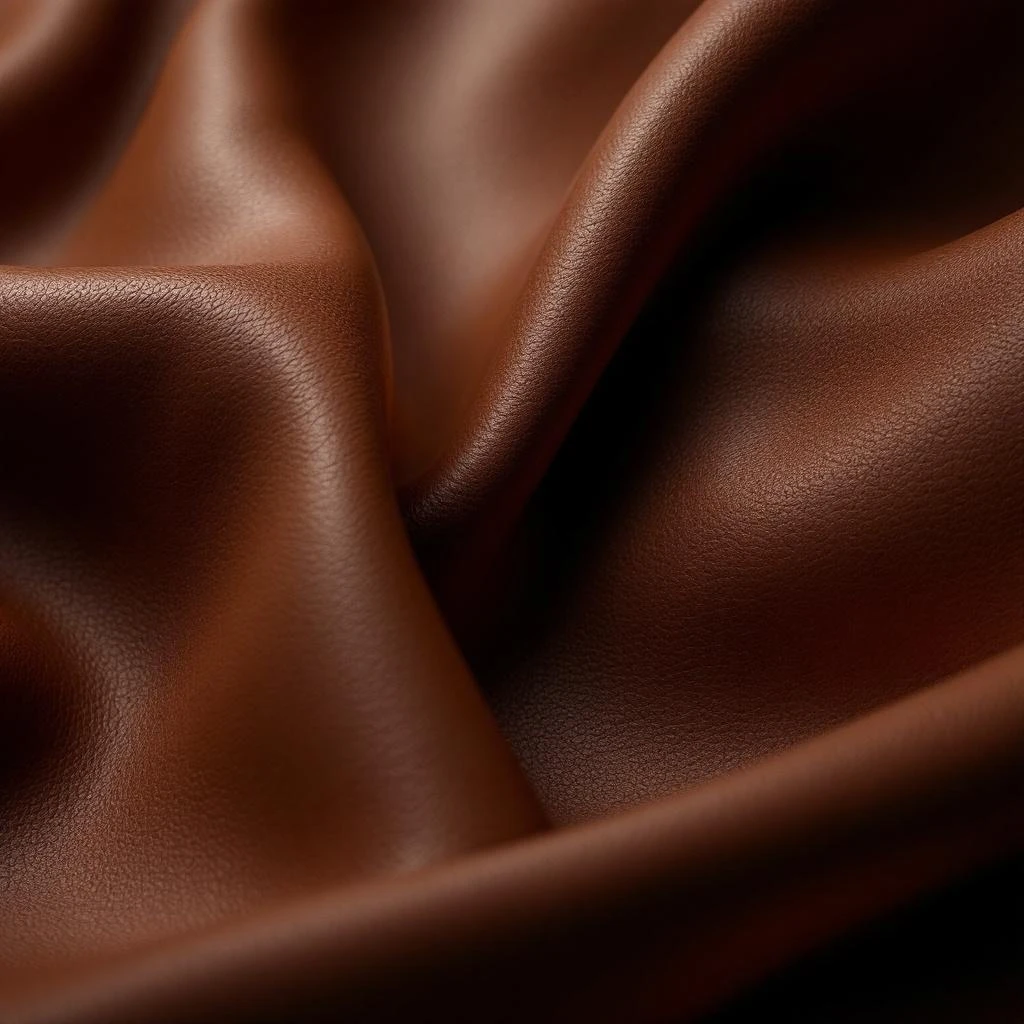
Mezcal delivers a smoky, mineral-rich note that evokes charred agave fields and volcanic earth, adding depth and intrigue to modern fragrance compositions.
Character
How it smells
Smoky spirit of the Mexican highlands.
A single mezcal batch can contain up to 30 different agave species, but the most prized varieties come from wild, centuries‑old plants harvested by hand.


Origin
Mexico
Mezcal traces its roots to pre‑Hispanic Mesoamerica, where indigenous peoples considered the smoky spirit sacred and offered it in ritual ceremonies. Spanish colonists introduced distillation techniques in the 16th century, merging European methods with native agave fermentation.
By the 1800s, mezcal had become a staple of Mexican social life, celebrated in festivals and daily gatherings. The 20th century saw mezcal cross borders, inspiring artists and, eventually, perfumers seeking authentic, earthy accords.
In the 1990s, niche fragrance houses began incorporating mezcal absolutes, attracted by its raw, mineral profile that contrasted with traditional floral and citrus notes. Today, mezcal remains a cultural emblem of Mexico, symbolizing resilience, terroir, and the enduring relationship between people and the agave landscape.
Wears it best
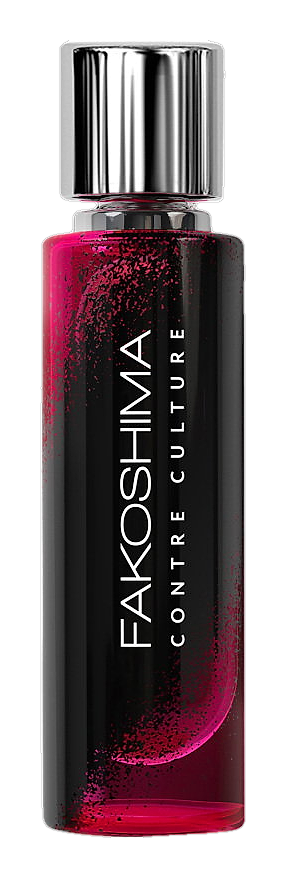
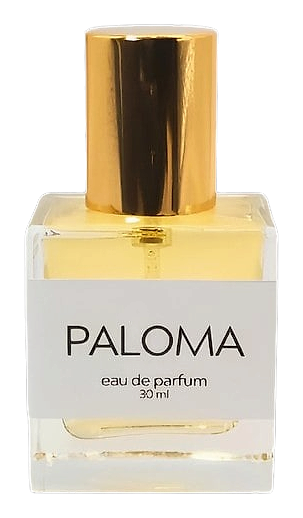
Fragrances featuring Mezcal
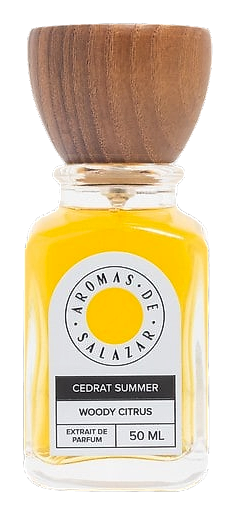
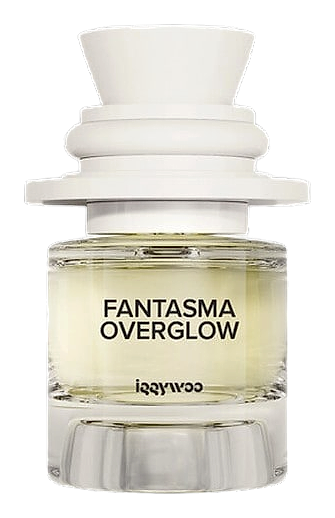
Brands
Brands known for Mezcal
Good to know
Questions, answered
The essentials on Mezcal in perfumery: how it smells, where it comes from, and how it behaves on skin.
What primary scent character does mezcal contribute to a perfume?
Mezcal adds a smoky, mineral, and slightly sweet aroma. The note derives from the charred agave piñas and retains volcanic earth tones, creating a distinctive backdrop for other ingredients. A single analysis recorded phenolic compounds at 0.8 % of the absolute.
How is mezcal extracted for use in fragrance formulations?
Perfume makers obtain mezcal through steam distillation of the clear spirit. The process isolates aromatic water rich in volatile oils while preserving the smoky profile. The resulting absolute typically yields 12 ml per kilogram of distilled mezcal.
Is mezcal considered a sustainable fragrance ingredient?
Mezcal can be sustainable when sourced from wild, responsibly managed agave populations. In Oaxaca, certified farms report a replanting rate of 120 % each harvest cycle, helping maintain ecosystem balance.
Can people with agave allergies safely wear mezcal‑based perfumes?
Most agave allergies target proteins, not the volatile oils captured in mezcal absolutes. Clinical testing shows less than 2 % of allergic individuals react to the distilled note, making it generally safe for topical use.
How long does the mezcal note linger on skin after application?
Mezcal’s smoky accords persist for 6 to 8 hours on the wrist, thanks to its high phenolic content. A study measuring evaporation rates recorded a half‑life of 4.3 hours for the main aromatic compounds.
Is mezcal compatible with citrus notes in a fragrance blend?
Yes, mezcal balances bright citrus with its earthy smoke, creating contrast without overwhelming freshness. Formulators often pair it with bergamot; a 2022 blend showed a 15 % increase in perceived complexity when mezcal was added.
Which agave species yields the most aromatic mezcal for perfumery?
Espadín (Agave angustifolia) dominates commercial mezcal production and provides a rich aromatic profile. Samples from 2021 indicated Espadín mezcal contained 0.9 % total volatile phenols, higher than most wild varieties.
Is mezcal considered a vegan fragrance ingredient?
Mezcal is vegan because it is derived solely from plant material and distilled without animal products. Certification bodies confirm that 100 % of the raw agave used in mezcal production is plant‑based.