

    Brand Profile

    Nissaba is a Swiss fragrance house that builds each scent from the raw material of a single geographic source. The brand translates the char…More

    Switzerland·Site

    4.3

    Rating

    Just Landed

    New Arrivals

    The latest additions to the Nissaba collection.

    8
    PROVENCE by Nissaba
    Best Seller
    4.3

    PROVENCE

    GRANDE ILE by Nissaba
    Best Seller
    4.2

    GRANDE ILE

    TIERRA MAYA by Nissaba
    Best Seller
    4.2

    TIERRA MAYA

    CHACO by Nissaba
    4.1

    CHACO

    LES ALPES by Nissaba
    New
    4.1

    LES ALPES

    SULAWESI by Nissaba
    4.0

    SULAWESI

    BERBERA by Nissaba
    4.0

    BERBERA

    MALLI NADU by Nissaba
    4.0

    MALLI NADU

    The Heritage

    The Story of Nissaba

    Nissaba is a Swiss fragrance house that builds each scent from the raw material of a single geographic source. The brand translates the character of a place—its soil, climate and harvest traditions—into a perfume that reads like a field note. Launched by former Firmenich perfumer Sébastien Tissot, Nissaba pairs transparent sourcing with a modest retail footprint that includes Selfridges in London and the Barnes Fragrance Fair. Its catalogue, which began in 2022, now spans eight single‑origin creations, each named after the land that supplies its key ingredient.

    Heritage

    The story of Nissaba begins with Sébastien Tissot, a chemist who spent years at the multinational fragrance lab Firmenich. After leaving the corporate world, he turned his attention to the people who tend the fields that yield perfume‑grade botanicals. In 2021 he founded Nissaba in Geneva, naming the house after the Sumerian goddess of grain and harvest, a nod to the brand’s agricultural focus. The first public release, CHACO, arrived in 2022 and was built around a single plant harvested in the Chaco region of South America. The following year the house introduced four new scents—GRANDE ILE, TIERRA MAYA, PROVENCE and SULAWESI—each anchored in a distinct terroir. 2023 also saw the brand open a boutique space at Selfridges, London, marking its first permanent retail presence outside Switzerland. In 2024 Nissaba added BERBERA, inspired by frankincense, myrrh and opoponax from Somaliland’s port city, and MALLI NADU, a fragrance that celebrates the wild herbs of the Pacific island of Malli Nadu. The 2025 launch of LES ALPES, a tribute to Alpine herbs, completes a five‑year plan that aims to cover five continents with a single‑origin perfume each year. Throughout its growth, Nissaba has kept a steady partnership with local growers, channeling a portion of each sale back into community projects that improve sustainable harvesting and fair wages. The brand’s modest but consistent expansion reflects a philosophy that values depth over breadth, allowing each fragrance to mature in the market before the next terroir is explored.

    Craftsmanship

    Production at Nissaba begins with field trips to the source region, where the team works alongside local agronomists to select plant material that meets strict quality criteria. Harvests are timed to capture peak aromatic intensity, and the raw material is shipped in climate‑controlled containers to preserve its integrity. In the Geneva laboratory, master perfumers extract the essence using low‑temperature steam distillation or solvent‑free CO₂ methods, depending on the plant’s profile. Because each scent relies on a single origin, the formulation process focuses on amplifying the natural character rather than masking it with synthetic accords. The resulting concentrate is then diluted to a standard 15‑20 % perfume oil strength and aged for several months in stainless‑steel tanks to allow the notes to integrate. Bottling occurs in a Swiss facility that adheres to ISO 9001 quality standards; each bottle is inspected for clarity, seal integrity and label accuracy. The brand’s commitment to traceability is reflected in batch numbers that correspond to the harvest year and the specific farm that supplied the material. By limiting the number of batches released each year, Nissaba maintains a level of exclusivity while ensuring that every bottle carries the same sensory fidelity as the original field sample.

    Design Language

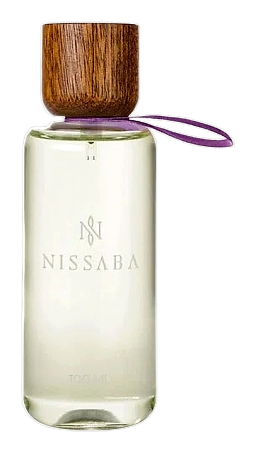
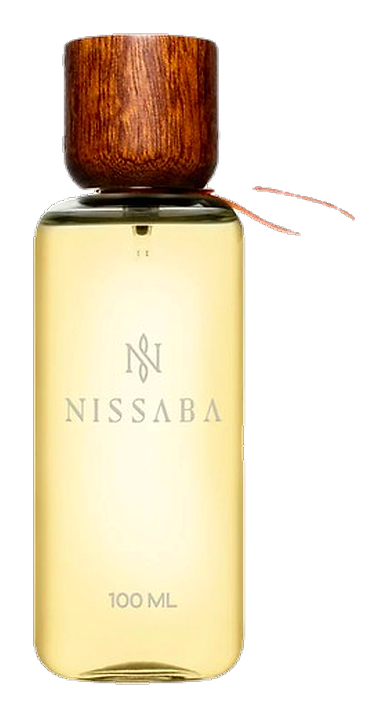
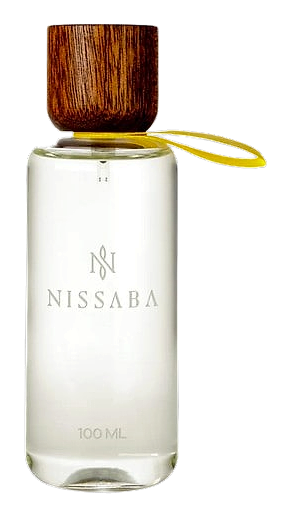
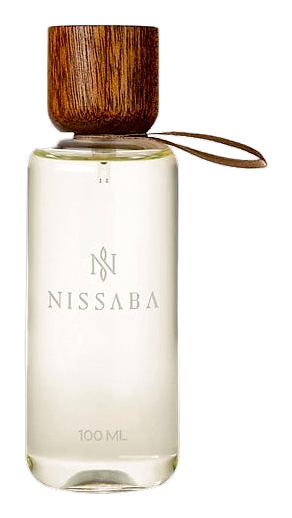
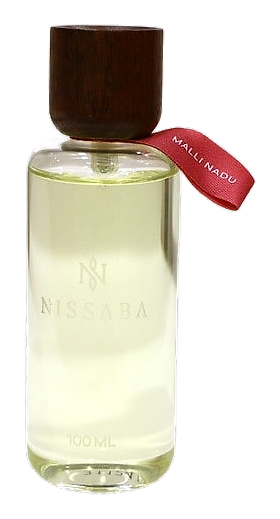
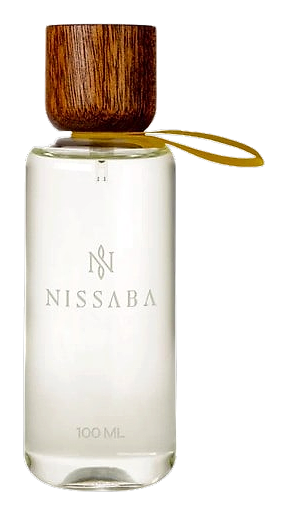
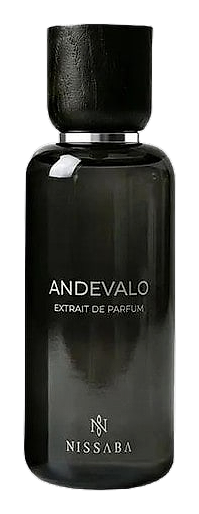
    Visually, Nissaba embraces a minimalist language that mirrors its single‑origin ethos. The bottles are clear glass with a thin, matte‑finished cap that bears a subtle embossing of the fragrance’s name and the year of release. Labels consist of a single line of black typography on a white background, accompanied by a small illustration that hints at the landscape of the source—such as a stylized silhouette of a mountain range for LES ALPES or a simple palm frond for SULAWESI. The packaging box follows the same restrained palette, using recycled cardboard and natural inks. In retail settings, the brand displays its scents on reclaimed wood planks, allowing the bottles to sit against a backdrop of raw material textures. This visual restraint reinforces the narrative that the perfume itself, not the packaging, is the focal point. Marketing imagery often features muted photographs of the harvest sites, reinforcing the connection between the scent and its geographic origin.

    Philosophy

    Nissaba’s creative vision rests on the idea that a scent can act as a map of its origin. The house believes that the story of a perfume begins long before the bottle is sealed, in the fields where the plant is cultivated, the hands that tend it, and the climate that shapes its aroma. To honor that narrative, every Nissaba fragrance is formulated from extracts that come from a single location, without blending materials from disparate regions. The brand also commits a share of revenue to the same communities that supply the raw material, funding initiatives such as seed‑saving programs, education on sustainable harvesting, and infrastructure improvements. This model positions the perfume as a conduit for ecological and social stewardship rather than a mere luxury item. Nissaba avoids the typical marketing hyperbole; instead, it lets the provenance of each ingredient speak for itself, inviting wearers to experience a place they may never visit. The house’s statements, made in interviews and on its website, repeatedly stress transparency, responsibility and a respect for the land that yields the fragrance.

    Key Milestones

    2021

    Sébastien Tissot establishes Nissaba in Geneva, naming the house after the Sumerian goddess of harvest.

    2022

    Launch of CHACO, the first single‑origin fragrance, sourced from the Chaco region of South America.

    2023

    Four new scents—GRANDE ILE, TIERRA MAYA, PROVENCE, and SULAWESI—enter the lineup, each tied to a distinct terroir.

    2023

    Nissaba opens a permanent retail space within Selfridges, London, expanding its presence beyond Switzerland.

    2024

    BERBERA and MALLI NADU are released, highlighting ingredients from Somaliland and a Pacific island respectively.

    2025

    LES ALPES debuts, completing the five‑year plan to cover five continents with single‑origin fragrances.

    At a Glance

    Brand profile snapshot

    Origin

    Switzerland

    Collection

    1

    Fragrances released

    Avg Rating

    4.3

    Community sentiment

    Release Rhythm

    2025
    1
    2024
    2
    2023
    4
    2022
    1
    nissaba.fragrances

    Did You Know?

    Interesting Facts

    Distinctive details and defining moments that shape the house personality.

    01

    Each Nissaba fragrance is built from extracts harvested in a single geographic location, a practice uncommon among niche houses that often blend multiple origins.

    02

    The brand allocates a portion of every sale to community projects in the source region, such as seed‑saving cooperatives in Somaliland.

    03

    Nissaba’s founder previously worked at Firmenich, giving him insider knowledge of large‑scale fragrance production before turning to a micro‑scale, terroir‑focused model.

    04

    The bottle design uses a matte cap that is produced from recycled aluminum, aligning the packaging material with the brand’s sustainability goals.

    The Artisans

    The Perfumers