The Story
Why it exists.
The beginning
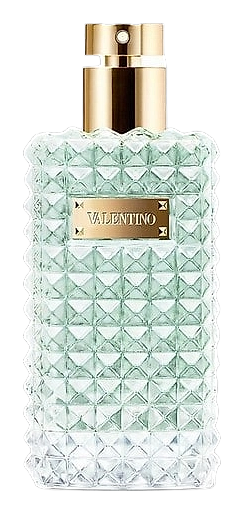
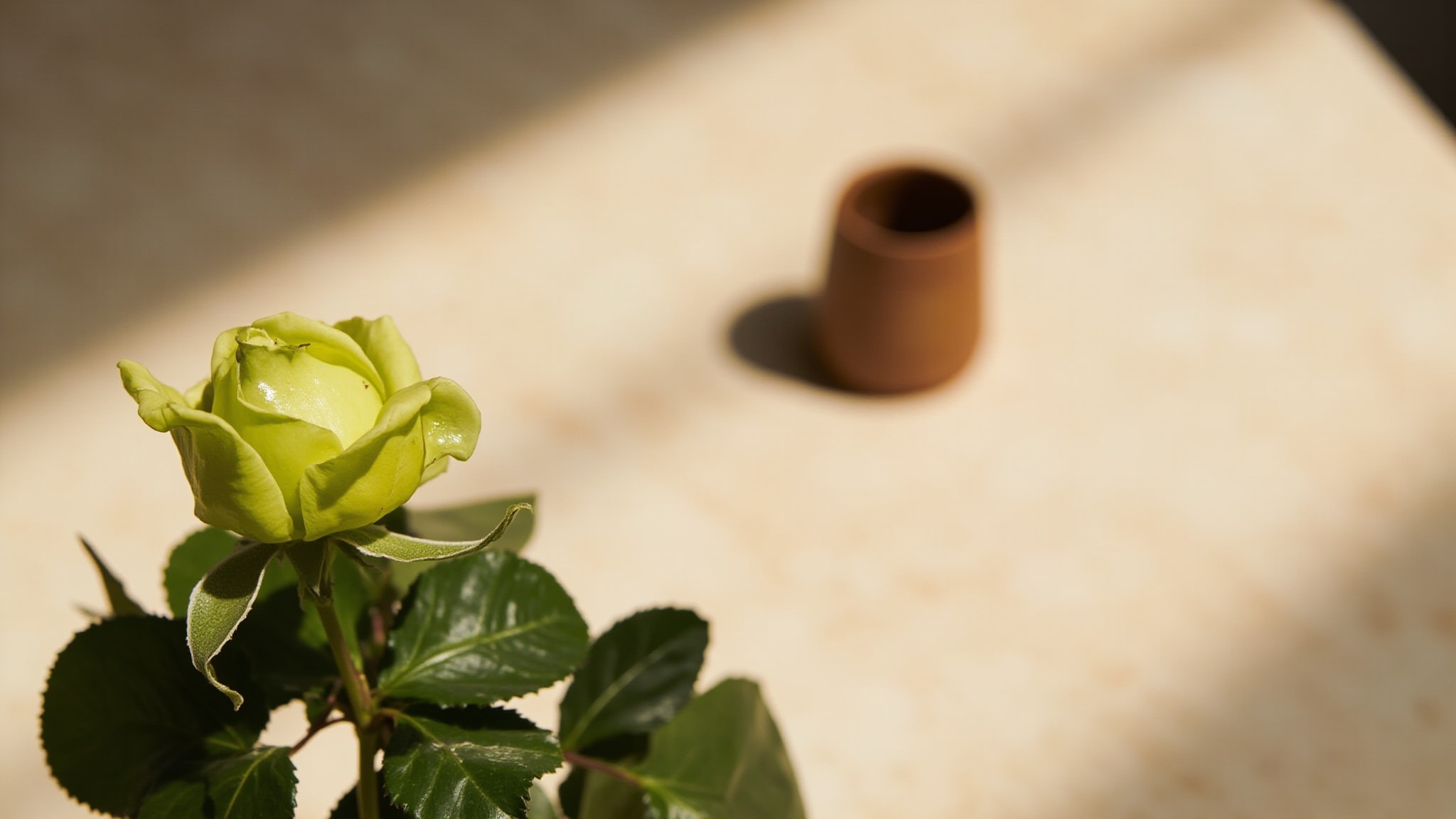
Valentino Donna Rosa Verde belongs to the house's Donna line. The green rose is the named note, but it arrives not as tradition but as fact, green, unvarnished, cut from the stem. The fragrance translates the couture sensibility into scent, capturing green matter, living stems, the smell of a garden before it becomes romantic. This interpretation asks what happens when Roman elegance meets something rawer: something present, not idealized, not softened.
The unusual material here is mate tea. Sharp and aromatic, it serves as a base anchor in this composition. Paired with ambrette, the musk mallow, it creates a green, slightly earthy drydown that never becomes sweet. A woody warmth from an additional note keeps the base from reading as purely herbal. The composition doesn't move from bright to heavy. It moves from green citrus to greener floral to a green that has simply settled into skin.
The evolution
Bergamot and petitgrain open together, the bergamot is the bright spark, the petitgrain adds a slightly bitter, leaf-like quality that makes the citrus feel natural rather than manufactured. Ginger arrives, clean and aromatic, preventing any sugared interpretation. The green rose emerges as a rose that smells like the whole flower, stem and all. Magnolia holds the heart, creamy and white, before osmanthus adds its subtle apricot nuance. The base is where the mate tea earns its place: sharp, bitter, aromatic, still unmistakably green even as the ambrette and akigalawood soften it. The drydown holds close to skin, moderate sillage, lingering quietly in the final stretch but never disappearing entirely.
Cultural impact
Donna Rosa Verde found its audience in people who wanted a rose fragrance but didn't want the usual rose. The green interpretation, mate tea, green rose, no sweetness, makes it something different. It's the kind of composition that tends to polarize in a good way: people either find it immediately compelling or keep returning to it over time, trying to understand what makes it work. Spring is the natural season, but the fresh-green character has year-round appeal for cooler autumn days. The fragrance has been quietly popular without being ubiquitous, the kind of scent that feels discovered rather than prescribed.