Green Rose
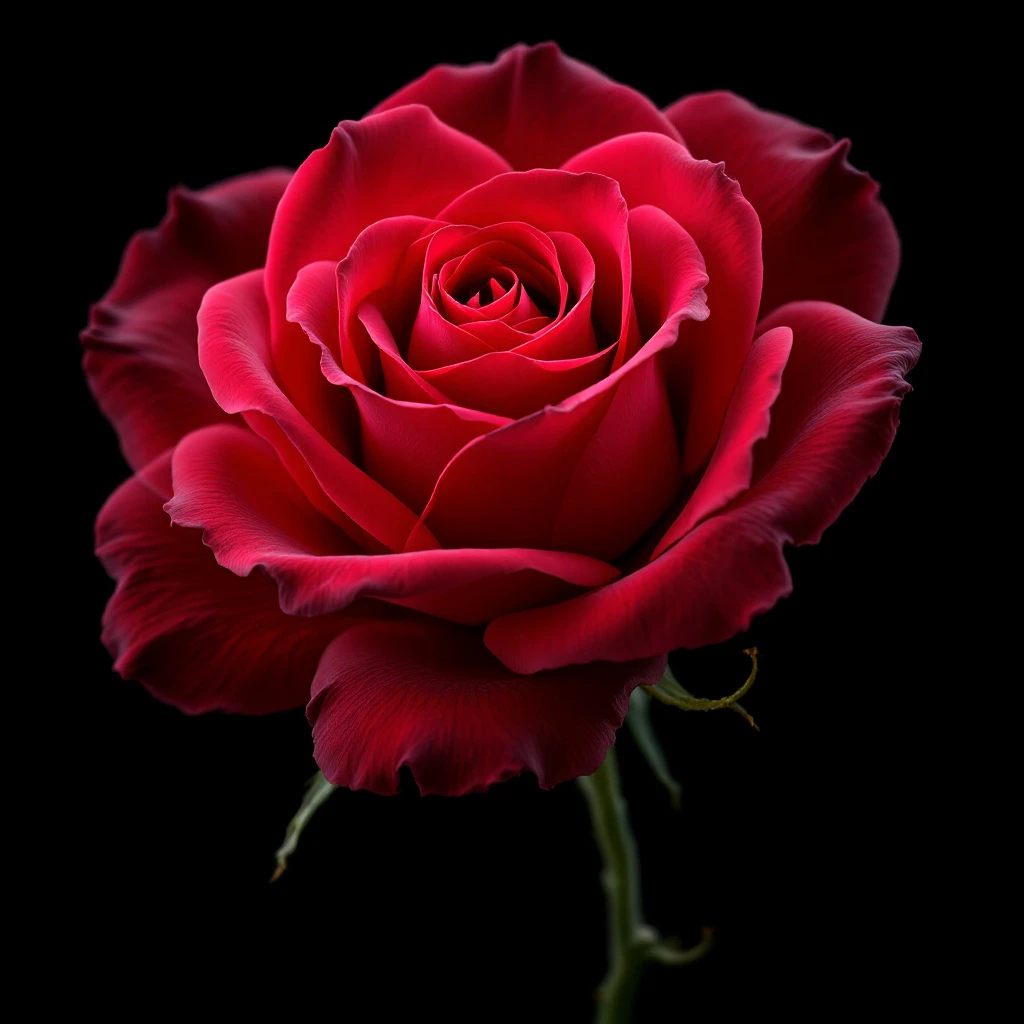
Green Rose captures the fresh-cut freshness of rose stems and leaves before the petals even open—a vegetal, living scent that transforms the classic floral into something immediate and alive.
Character
How it smells
The moment before a rose blooms, captured in scent.
Damask rose leaves contain higher concentrations of aromatic compounds than the petals themselves, making them a prized material for green rose accords.





Origin
France
The concept of green rose traces back over two millennia to Persian and Egyptian perfumers who worked with the entire rose plant rather than just the blooms. They recognized that stems, leaves, and unopened buds carried distinct aromatic qualities that complemented the floral notes, creating more complex fragrance compositions.
Under the Ottoman Empire, Bulgarian rose cultivation advanced significantly, and distillers began separating the green-smelling fractions from the floral ones, understanding that these vegetative notes added depth to traditional rose perfumes. Grasse emerged as the center of innovation in the 19th century, where perfumers began explicitly crafting green as a distinct category of rose fragrance.
French royal courts championed these innovative scents, seeking freshness that transcended conventional floral bouquets. This movement away from purely petal-based materials toward whole-plant utilization marked a fundamental shift in how perfumers approached rose as a raw material, one that persists in modern perfumery where green rose accords remain essential to contemporary fragrance construction.
Wears it best
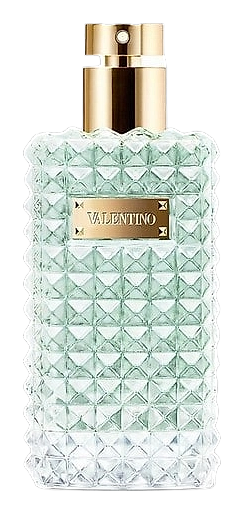
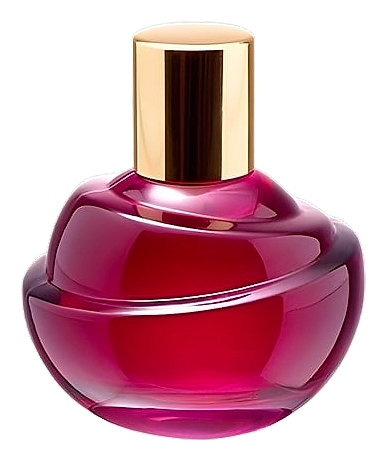
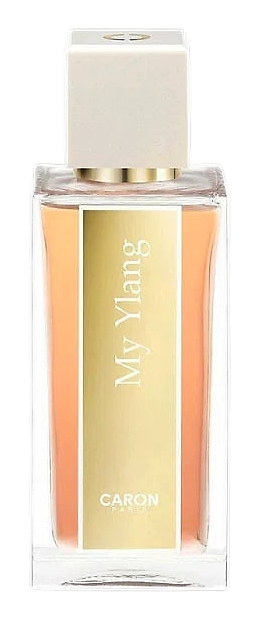
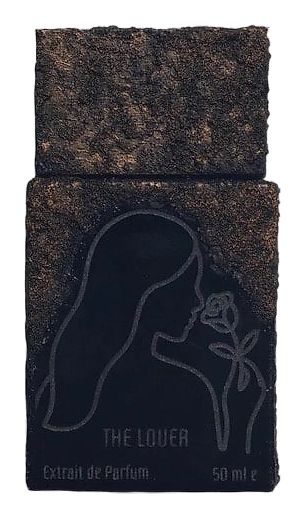
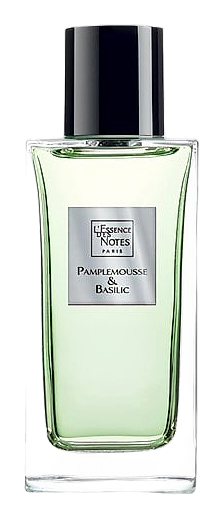
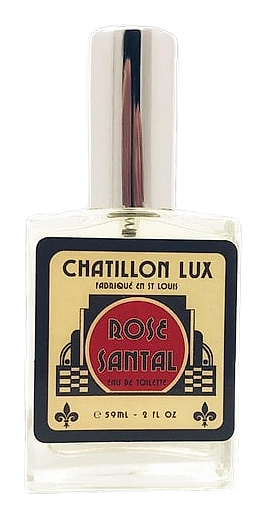
Fragrances featuring Green Rose

Brands
Brands known for Green Rose
Good to know
Questions, answered
The essentials on Green Rose in perfumery: how it smells, where it comes from, and how it behaves on skin.
What makes Green Rose different from regular rose?
Green Rose emphasizes the fresh, vegetative facets of the rose plant rather than the sweet floral petals. The green notes—reminiscent of crushed stems and dewy leaves—create a sharper, more immediate impression that conventional rose perfumes lack.
Is Green Rose a natural or synthetic ingredient?
Green Rose materials exist in both natural and synthetic forms. Natural versions come from extracting stems, leaves, and unopened buds using solvent or steam methods. Synthetic versions combine aromachemicals to recreate the effect, providing consistency and intensity.
Which rose species produces the best green-smelling extracts?
Damask Rose remains the preferred species for green-smelling extracts due to its complex aromatic profile and high concentration of vegetative compounds. Rosa Centifolia from Grasse also contributes, offering a more delicate green character.
How do perfumers use Green Rose in fragrance composition?
Perfumers use Green Rose primarily as a heart note to bridge fresh top notes with deeper base accords. It works especially well in spring and summer fragrances where the crisp, green character provides an uplifting, garden-fresh effect.
What regions produce the highest quality green rose materials?
Bulgaria, Morocco's Valley of Roses, and Grasse, France lead production of green-smelling rose materials. Bulgarian Damask Rose from the Kazanlak region produces particularly prized extracts due to the area's ideal climate and altitude for rose cultivation.
What chemical compounds create the green rose aroma?
Cis-3-hexenol provides the characteristic leaf-green aroma, often called leaf alcohol. Geraniol and citronellol contribute floral and citrus-like green facets, while phenylethyl alcohol adds sweetness to balance the vegetative notes.
Can green-smelling compounds be extracted from any rose variety?
Not all roses yield usable green-smelling material. Damask and Centifolia roses contain the highest concentrations of green-smelling compounds. Many modern hybrid roses were developed for petal appearance and often lack these aromatic qualities.
How long has green rose been used in perfumery?
Persian and Egyptian perfumers first worked with green-smelling rose materials over 2,000 years ago. The concept became recognized as a distinct fragrance category in 19th century France, when Grasse perfumers began isolating and marketing the green character.



