Old Books
Old Books is a signature accord capturing the warm, nostalgic scent of aged paper, binding glue, and dusty library shelves. This evocative note combines vanilla, coumarin, and dusty woody elements to recreate that distinctive smell of vintage volumes and reading rooms. Perfumers use it to add depth, warmth, and a touch of literary romance.
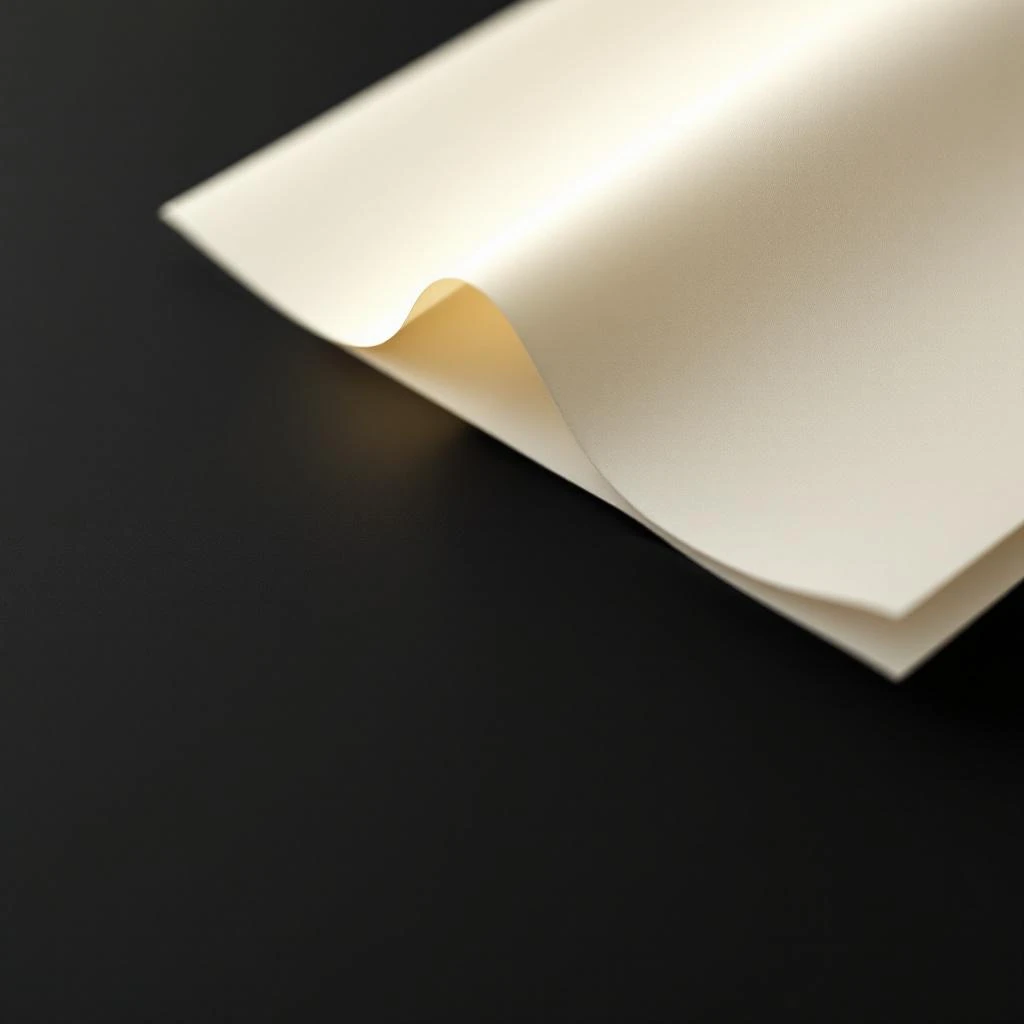
Character
How it smells
The warm nostalgia of dusty pages and leather-bound volumes
The scent of old books comes partly from lignin, a compound in paper that breaks down over decades into vanillin and other aromatic molecules.






Origin
France
The Old Books accord emerged as perfumers began exploring narrative scents and atmospheric fragrances in the late 20th century. While ancient perfumers worked with natural materials like papyrus and parchment, the deliberate recreation of book-scent emerged from a growing interest in evocative, story-driven fragrance design. The accord draws its inspiration from the actual chemistry of aging paper, which contains lignin that slowly degrades into aromatic compounds including vanillin.
Historical perfumery references to books and libraries appear in accounts from medieval Arab perfumers who traded manuscripts and appreciated the smell of stored texts. The modern interpretation of Old Books as a fragrance note reflects a broader cultural movement celebrating nostalgia, physical books, and the sensory experiences of traditional libraries.
Wears it best
Fragrances featuring Old Books

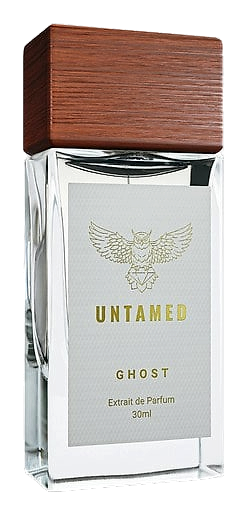


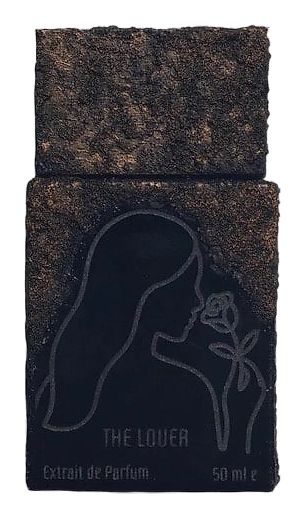
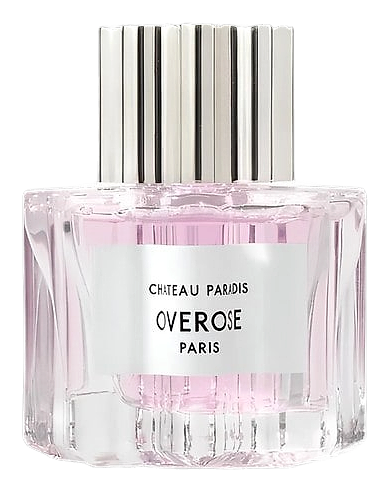
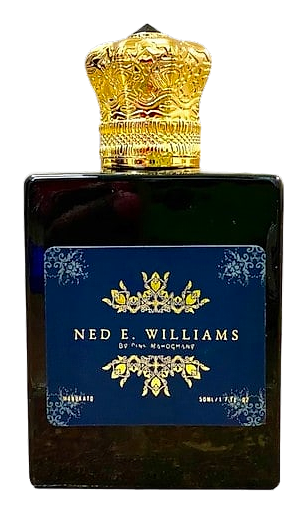


Brands
Brands known for Old Books
Good to know
Questions, answered
The essentials on Old Books in perfumery: how it smells, where it comes from, and how it behaves on skin.
What does Old Books smell like in perfume?
Old Books smells like aged paper with vanilla undertones, dusty library shelves, and a faint leather quality reminiscent of book bindings. The accord combines warm, slightly sweet notes with musty, atmospheric undertones to create that distinctive vintage bookshop character. Most people recognize it immediately as the smell of old libraries and reading rooms.
Why is Old Books used in perfumery?
Old Books creates emotional resonance and narrative depth in fragrances, offering wearers a sense of nostalgia and intellectual warmth. Perfumers use this accord to add complexity and a vintage quality, often in niche or literary-themed fragrances. It works particularly well in masculine and unisex compositions seeking a distinguished, intellectual character.
Is Old Books in perfume natural or synthetic?
Old Books is typically a synthetic accord, though individual components may derive from natural sources like benzoin resin or vanilla. Perfumers combine molecules like vanillin, coumarin, and woody materials to replicate the smell of aging paper. Less than 5% of fragrance materials in the Old Books accord typically come directly from natural book-derived sources.
What famous perfumes contain Old Books?
While no single iconic fragrance is defined solely by Old Books, the note appears in niche releases from houses like Arquiste, Arcanum, and various independent perfumers. Fragrance houses including Byredo and Le Labo have explored similar vintage paper or library-inspired themes in their collections. The note remains more common in artisan and niche perfumery than in mainstream commercial fragrances.
Is Old Books a top note, heart note, or base note?
Old Books functions as a base note in fragrance compositions, providing lasting depth and longevity to the scent. Base notes typically remain detectable on skin for 6 to 8 hours after application. Perfumers place the accord in the foundation of fragrances where its warm, lingering character supports the overall structure.
What notes pair well with Old Books in perfume?
Old Books pairs well with leather, amber, vanilla, sandalwood, and smoky notes that enhance its vintage, atmospheric quality. Complementary spices like saffron, cardamom, and cinnamon add warmth and complexity to the dusty paper character. Resinous materials such as benzoin, labdanum, and opoponax deepen the accord and add richness.
Where does Old Books come from?
Old Books originates from perfumers who designed the accord to capture the smell of aging paper and vintage libraries. The concept draws from the actual chemistry of paper degradation, where lignin breaks down into aromatic compounds over decades. This accord emerged primarily from French and Swiss fragrance houses that specialize in narrative or atmospheric perfumery concepts.
Is Old Books used in men's or women's fragrances?
Old Books appears more frequently in masculine and unisex fragrances, where it contributes an intellectual, vintage character often associated with classic male grooming. However, several women's fragrances from niche houses incorporate the note for its nostalgic, warm quality. The accord suits any fragrance seeking a distinguished, bookish personality regardless of gender marketing.