Aged paper
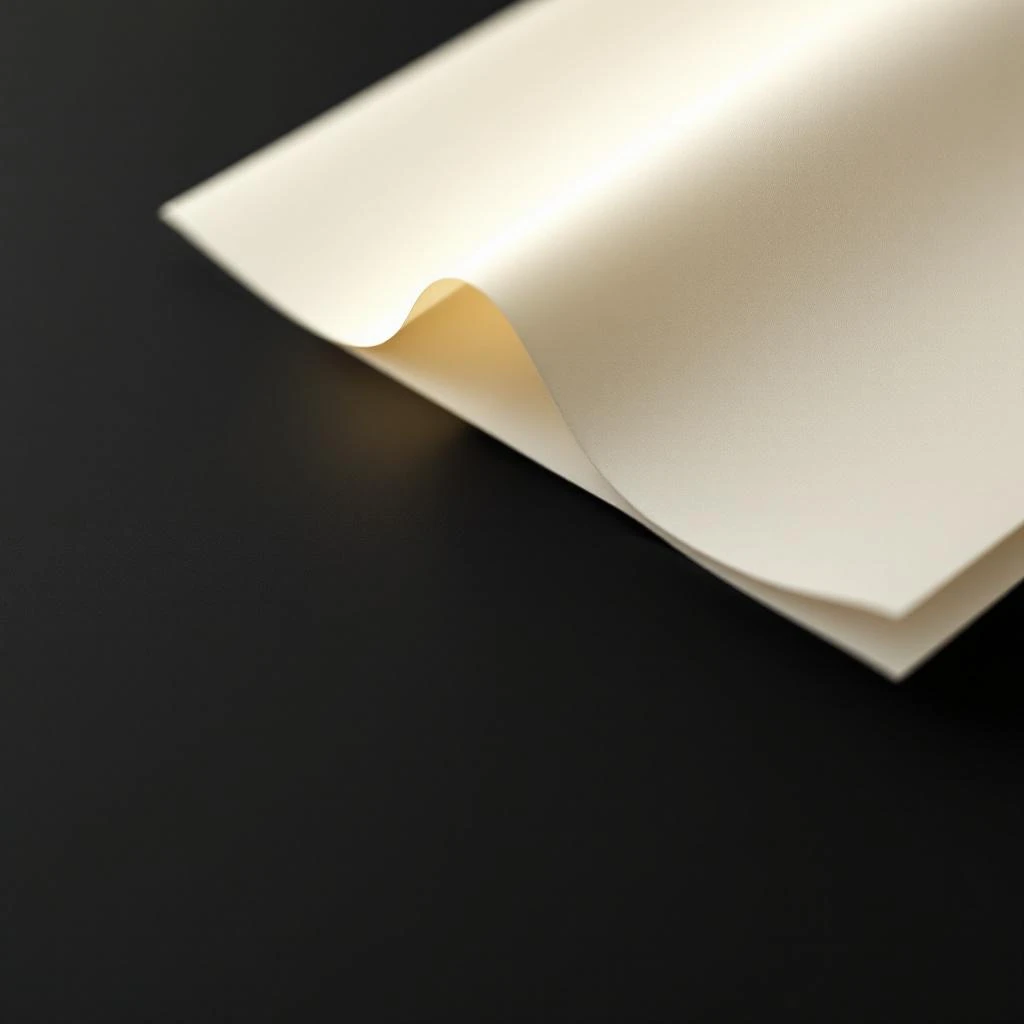
Aged paper captures the warm, nostalgic scent of antique books and yellowed manuscripts. This note blends vanilla-like softness with dry woody undertones and subtle dusty warmth, evoking forgotten libraries and handwritten letters.
Character
How it smells
The scent of forgotten stories.
The distinctive smell of old books comes from lignin breakdown, which produces vanillin over decades.


Origin
France
The scent of aged paper has been revered since the advent of papermaking in China around 105 CE. Early manuscripts and religious texts gained significance not only for their content but for their physical presence, including their distinctive aroma.
During the Renaissance, scholars and collectors developed deep associations between the smell of old paper and knowledge itself. Libraries and scriptoriums became sanctuaries where the scent of aging parchment signified accumulated wisdom.
The Industrial Revolution brought papermaking into new territory with mechanized production, but the appeal of aged paper remained tied to antiquity and scholarly tradition. Contemporary perfumers have captured this olfactory memory as a bridge between past and present, honoring centuries of human expression preserved on paper.
Wears it best
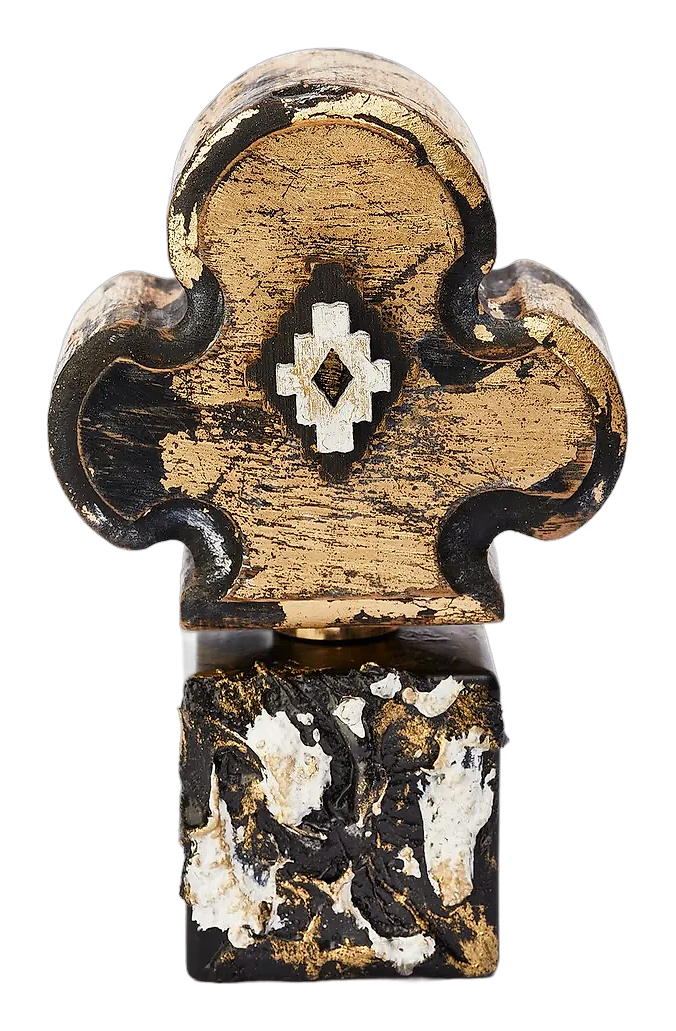
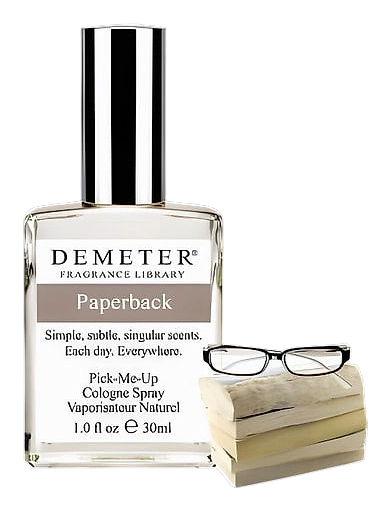
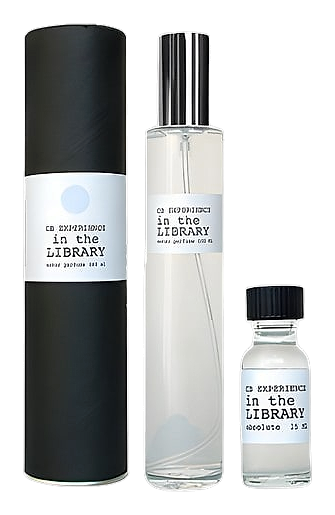
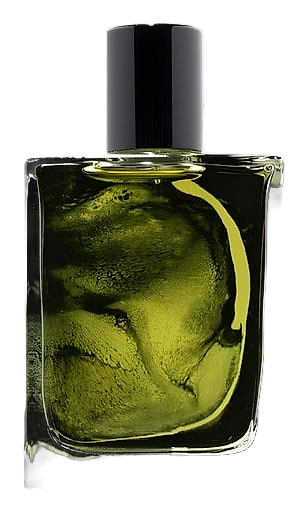
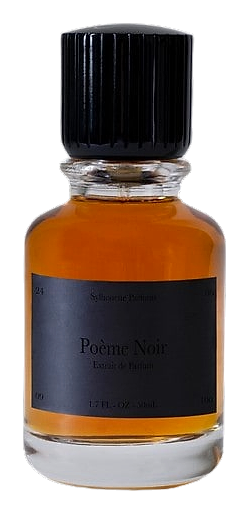
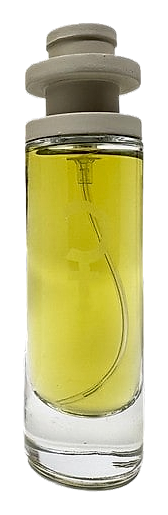
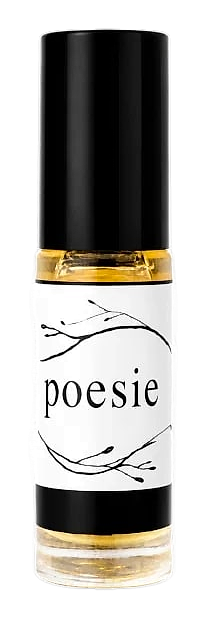
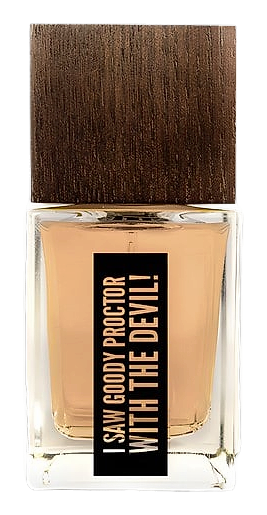
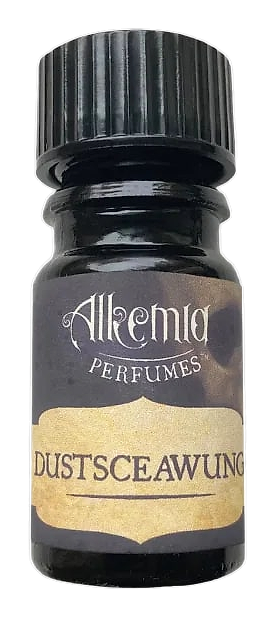
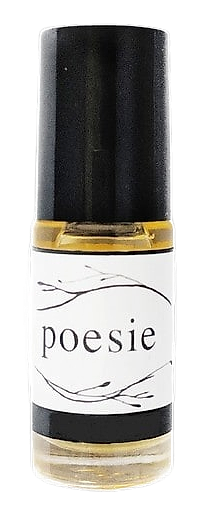
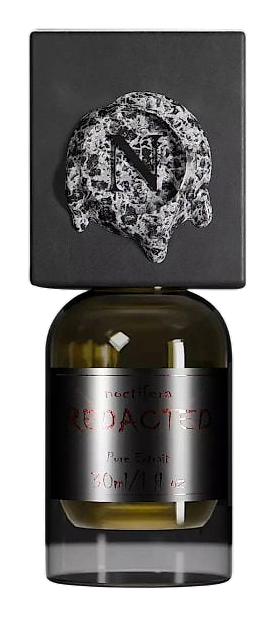
Fragrances featuring Aged paper

Brands
Brands known for Aged paper
Good to know
Questions, answered
The essentials on Aged paper in perfumery: how it smells, where it comes from, and how it behaves on skin.
What does aged paper smell like?
Aged paper combines warm vanilla undertones with dry, dusty woods and a subtle mustiness. It evokes the scent of antique bookshops and handwritten letters stored in old wooden drawers.
Is aged paper a natural or synthetic ingredient?
Aged paper note is primarily synthetic. Perfumers recreate it using compounds like cetalox and vanillin derivatives that mimic the complex scent profile of antique paper.
What causes the smell of old paper?
The smell comes from lignin degradation, which occurs over decades. As lignin breaks down, it produces vanillin and other aromatic compounds that create the characteristic old-book scent.
Which fragrances feature aged paper as a main note?
Paper Beast by Stateside, The Broken Ring by Parfums de la Bastille, and several niche fragrances centered on literary or vintage themes prominently feature aged paper notes.
Can aged paper be extracted from actual old books?
No, perfume houses do not extract scent from actual books. The note is reconstructed using synthesized aromatic molecules that replicate the smell through modern fragrance chemistry.
What other notes pair well with aged paper?
Aged paper pairs naturally with leather, ink, sandalwood, and amber. These combinations create fragrances that evoke libraries, writing desks, and archival spaces.
When did perfumers start using aged paper notes?
The note gained popularity in the late 20th century as perfumers began exploring narrative and atmospheric themes. Early adopters created scents inspired by vintage aesthetics and literary spaces.
Does aged paper smell different in various perfume concentrations?
Yes, in higher concentrations aged paper becomes more prominent and may shift toward leather or tobacco. At lower concentrations, it serves as a subtle background nuance adding warmth and nostalgia.