The Story
Why it exists.
The beginning
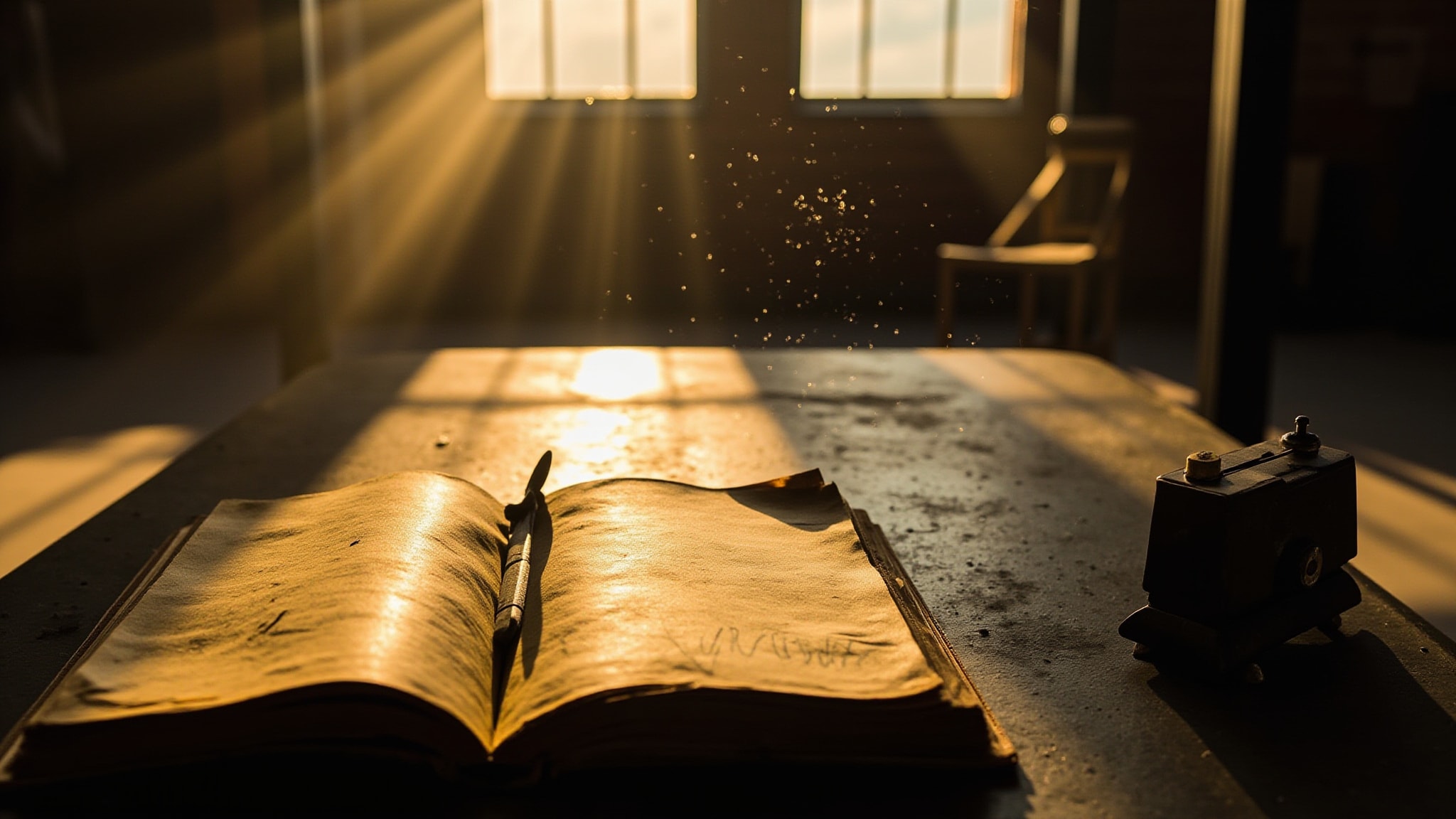
Marginalia is the annotation in the margin. The note in the margin of someone else's thought. The underlined passage that made you stop and write something back. It's CLST's love letter to the places where ideas live when no one's reading, the used book shop where the owner doesn't care if you buy, the private study where someone once thought something worth preserving in the margins of a borrowed book. J.K. Robbins built this scent from the sensory memory of those places. Not the romance of libraries, the actual smell. The dust that kicks up when the heating kicks on for the first time in a year. The aged spice of vintage books cracked open for the first time in decades. The Naugahyde chair, worn smooth by decades of readers who sat and thought and didn't need to say anything out loud. This is the fragrance for the person who takes a seat in the back of the room and finds something worth staying for.
What makes Marginalia unusual is the frankness of its materials. Industrial glue isn't a metaphor, it's the actual note. Binding glue, the kind that holds pages to a spine, is one of the most honest olfactory materials in perfumery. It smells like work. Like the thing that keeps the pages together when everything else is falling apart. The absence of sweetness is the point. There's no vanilla to soften it, no amber to warm it into submission. The aged paper note sits dry and slightly humid, parchment that absorbed decades of air before anyone thought to write on it. Solar notes don't mean sunshine here. They mean the quality of light in a room where the sun hasn't been invited in for a while.
The evolution
The opening hits in two waves. First: the industrial glue, sharp and immediate, the smell of something being made rather than something being worn. Then, within minutes, old books arrive underneath it, not the clean paper smell of new books, but the dry, slightly humid weight of pages that have absorbed years of air. Ink follows. Not fresh ink, the kind that's been drying for decades, already part of the page. The heart phase is where it settles into itself. Synthetic leather emerges, but it's not the glossy leather of fashion. It's the leather of a Naugahyde chair, worn smooth at the armrests, patched in places, still comfortable because comfort isn't about appearance. Aged paper takes over the background, dry and slightly spiced, the smell of reading in a room where no one will interrupt you. The drydown lasts. On most skin, four to six hours before the leather fades and the dust settles into something that smells like a room that remembers you. The kind of scent that lingers on a sweater long after you've taken it off, and makes you want to put it back on.
Cultural impact
Marginalia enters a fragrance landscape increasingly saturated with comfort-smell releases and nostalgia plays on familiar notes. The book-smell category itself has grown from niche novelty to genuine subgenre, driven partly by independent houses like CLST pushing the concept beyond the safe territory of vanilla and amber toward something stranger and more specific. CLST's Nashville roots matter here: the American South has a complicated relationship with the written word, with literacy as liberation and library as sanctuary, and Marginalia reads as a fragrance built from that specific cultural memory rather than a generic literary abstraction.