Industrial Glue
Sharp, solvent-edged, and unmistakably synthetic. The industrial glue accord captures the acrid whiff of ethyl acetate and toluene, a note once confined to workshops now finding a place in avant-garde perfumery.
Character
How it smells
Sticky, sharp, deliberately synthetic
The smell of industrial glue is essentially a cocktail of solvents, primarily ethyl acetate and toluene, both common in adhesives and lacquers since the early 20th century.








Origin
Laboratory synthesis
The scent of glue entered perfumery through the back door of the 20th century, as synthetic aroma chemistry matured. After the commercial synthesis of coumarin in 1868 and vanillin in 1874, perfumers gained access to an expanding palette of laboratory-made molecules. By the mid-1900s, the rise of modernist and avant-garde fragrance houses encouraged perfumers to experiment with non-traditional materials, including the volatile organic compounds long associated with factories and workshops.
Industrial solvent notes appeared in niche compositions during the 1990s and 2000s, signaling a shift away from purely floral or gourmand palettes. Today, the industrial glue accord represents perfumery's ongoing dialogue with synthetic chemistry, a reminder that beauty can be coaxed from the most unlikely sources.
Wears it best
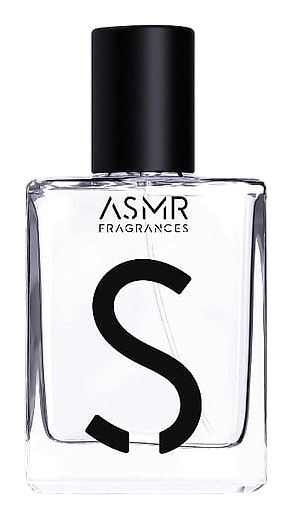
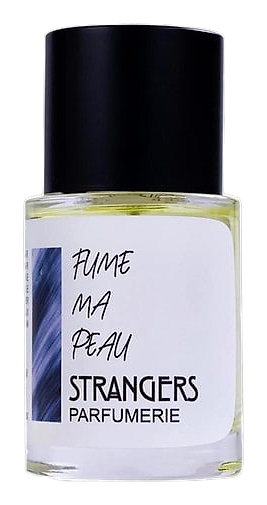
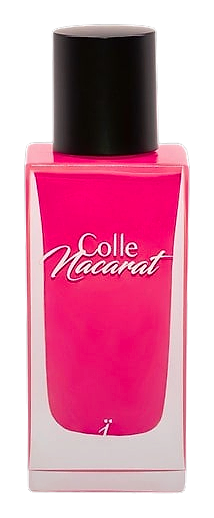
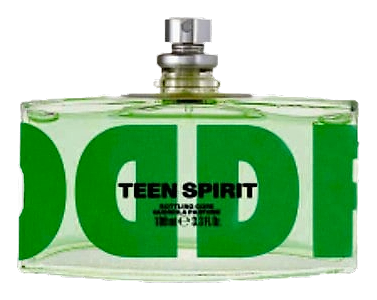
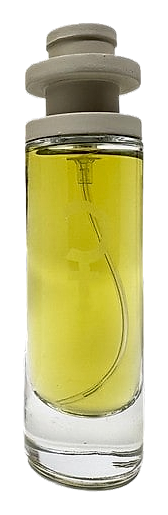
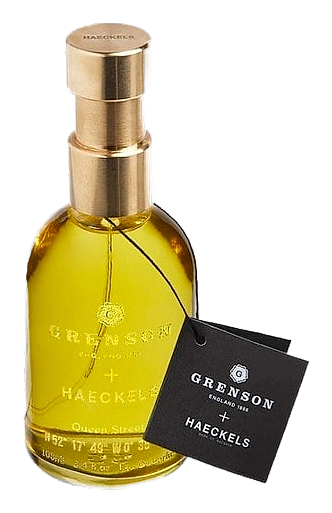
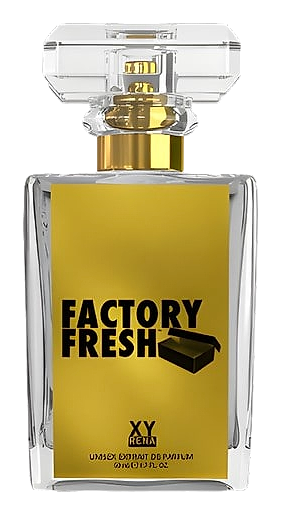
Fragrances featuring Industrial Glue
Brands
Brands known for Industrial Glue
Good to know
Questions, answered
The essentials on Industrial Glue in perfumery: how it smells, where it comes from, and how it behaves on skin.
Is industrial glue a natural fragrance ingredient?
No. The industrial glue accord is entirely synthetic, built from laboratory-produced solvents such as ethyl acetate and toluene. No plant or animal material is involved in its creation.
Why would a perfume contain an industrial glue note?
Avant-garde perfumers include it to evoke urban, mechanical, or post-industrial atmospheres. It adds sharp, solvent-laced tension that contrasts with softer florals or ambers in a composition.
Is the industrial glue note safe to wear on skin?
Yes, when used at perfumery-grade dilutions. The solvents appear at trace concentrations, well below industrial exposure thresholds, and are formulated for skin contact.
Which perfumes feature an industrial glue accord?
Several niche and avant-garde houses, notably Comme des Garçons and certain Etat Libre d'Orange releases, have incorporated solvent or glue-like accords into their compositions.
What does industrial glue smell like in a fragrance?
Expect a sharp, acrid opening with sweet-fruity ethyl acetate and a paint-thinner edge from toluene. The drydown often softens into rubbery or vinyl undertones.
When did synthetic solvent notes first appear in perfumery?
Solvent-like accords entered niche perfumery in the 1990s, following decades of synthetic aroma-chemical development that began with coumarin's commercial synthesis in 1868.
How is the industrial glue accord made?
Perfumers blend individual aroma chemicals, primarily ethyl acetate, toluene, and acetone, in precise ratios. Optional rubber or vinyl notes may be layered for added depth and realism.
Can the industrial glue note cause allergic reactions?
Like any fragrance component, it can trigger sensitivity in some wearers. The solvents are listed on IFRA standards, and compliant formulations stay within recommended concentration limits.