
The Story
Why it exists.
The beginning
Dom Bridges created Queen Street in 2017 as part of a collaboration with Grenson, the English shoemaker. The fragrance was designed to capture the atmosphere of Grenson's factory location, not Elizabeth Street in New York, but the original Queen Street in Margate. Where most fragrance collaborations reach for aspiration or prestige, this one reached for something more specific: the mineral-damp air of a working English coastal town, and the leather dust that accumulates on a cobbler's bench.
The note structure refuses convention. Brick, pebbles, cork, industrial glue, these are not the materials of traditional perfumery. They are the materials of Margate. Haeckels has built its identity on radical locality, finding complexity within a defined geographic radius rather than sourcing from global ingredient catalogues. The English coast offers salt, samphire, and dozens of botanicals, but Queen Street draws from something harder: the built environment, the industry that once sustained seaside towns like this one. It's an unusual choice that pays off in unusual wearers, those who find something compelling in mineral damp and leather dust rather than florals or citruses.
The evolution
Herbaceous notes open first, green, restrained, coastal. The Kent coastline influence without the expected marine note. Within minutes the heart arrives: brick dust, wet pebbles, dry amber warmth. It smells like a seawall after rain, or the base of a stone wall where tide pools once gathered. The warmth is quiet but present. Then the base takes over, and Queen Street becomes something else entirely. Leather and cork arrive first, dry and slightly tannic. The industrial glue note emerges last, it doesn't soften or disappear in the drydown. It lingers. For those who know what they smell, it registers as glue; for others, it registers as mineral chemical honesty. The full arc holds close to skin for 4-6 hours. On fabric, the leather and mineral stay for a day.
Cultural impact
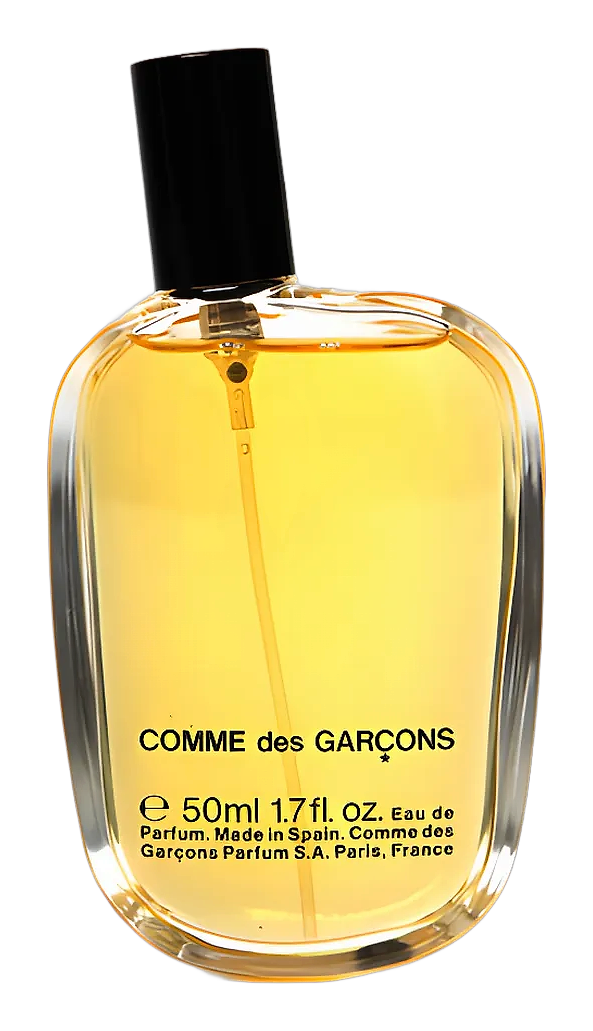
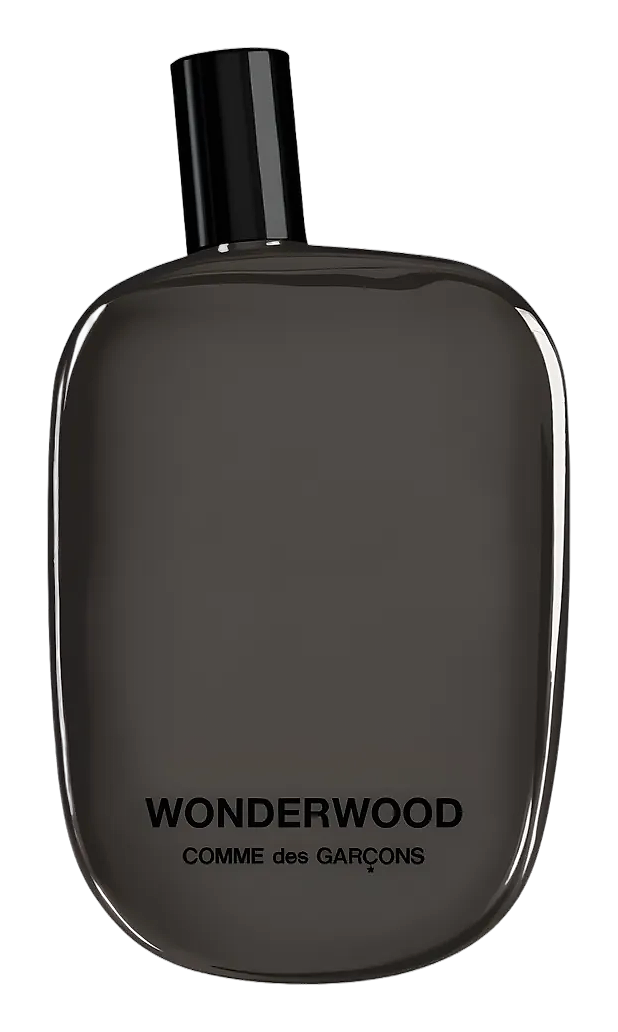
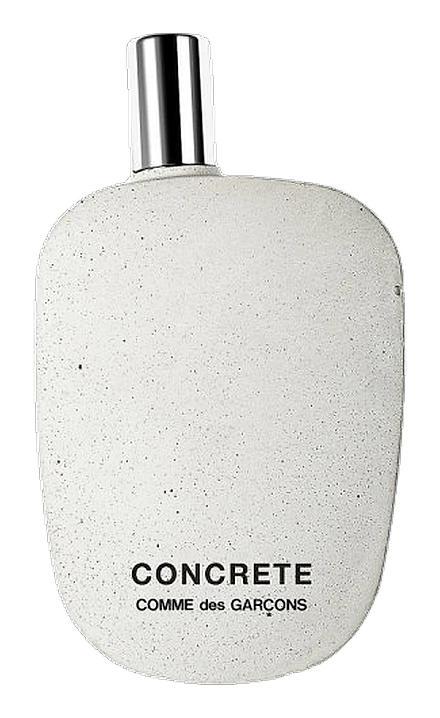
Queen Street occupies a specific position in the landscape of industrial-mineral fragrances. Its closest conceptual peers are the Comme des Garçons Industrial series, though Queen Street draws more directly from a specific place, a working English coastal town, than those more conceptual releases. For wearers who track mineral and leather accords, Queen Street represents a rare British entry in a category dominated by Japanese and French conceptual houses. Its 2017 launch predates the broader wave of minimalist and material-honest fragrance trends, positioning it as quietly ahead rather than part of a movement.