Brick
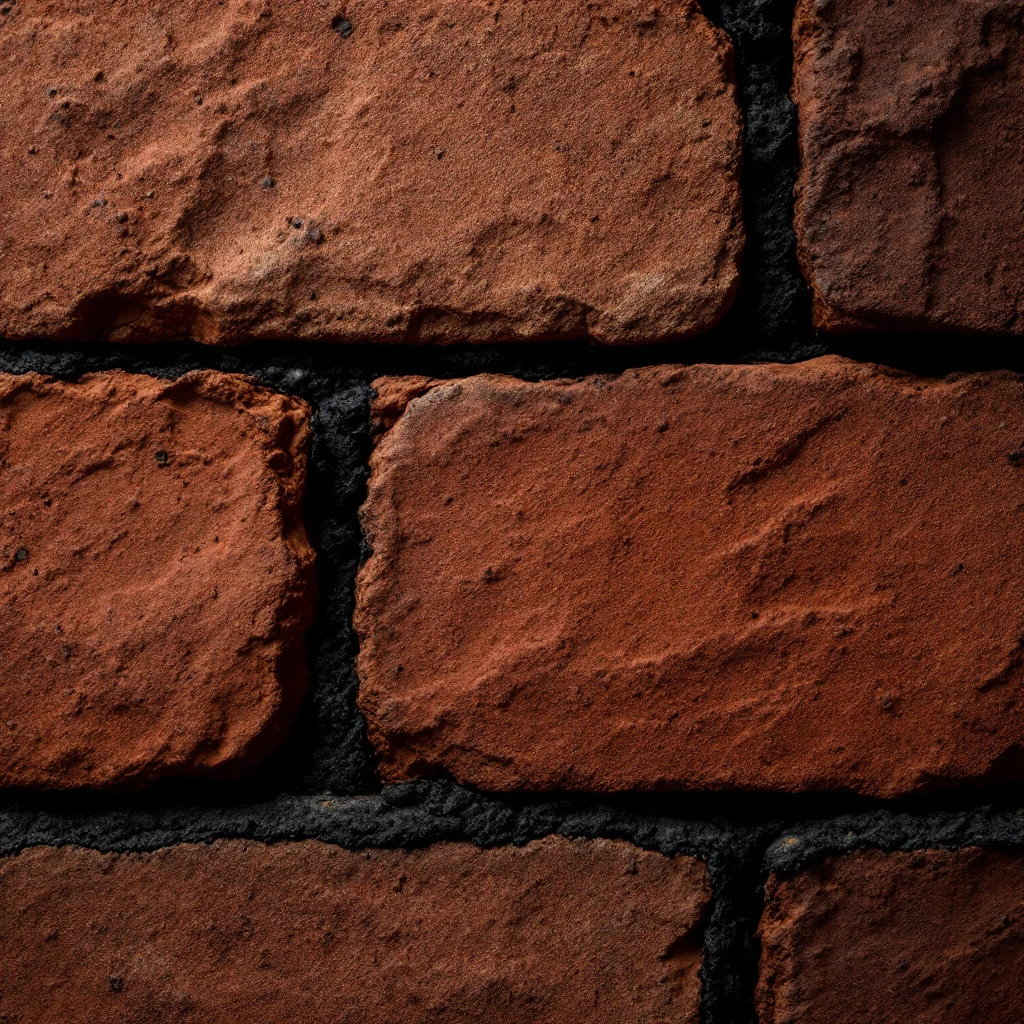
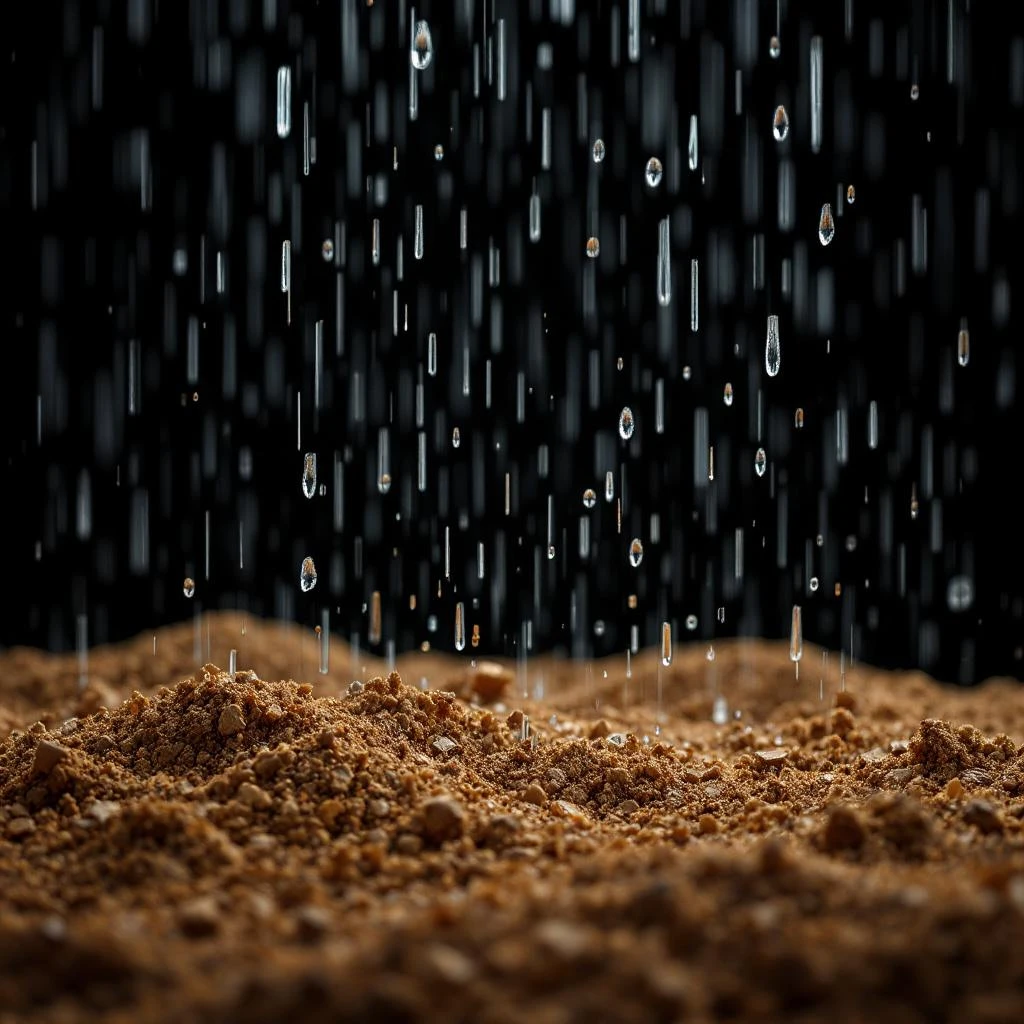
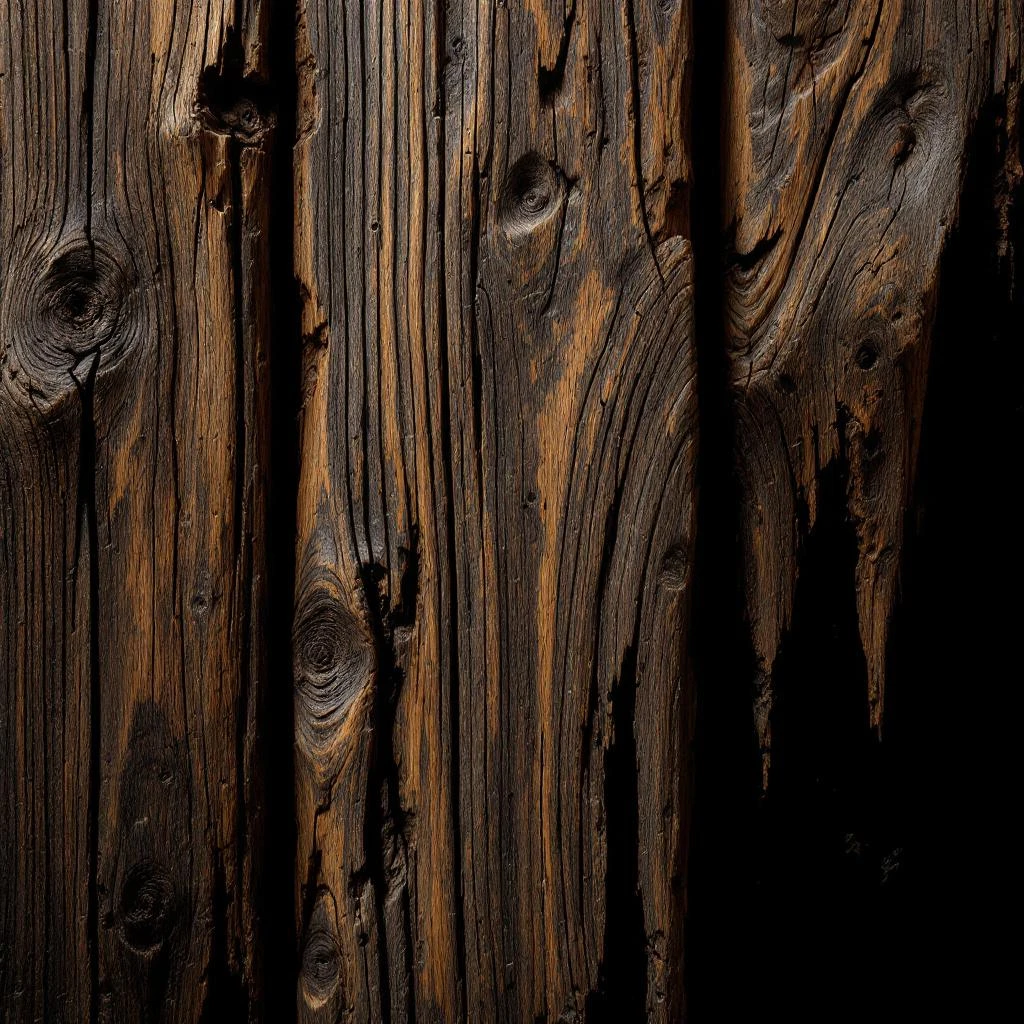
Brick captures the warm, sun-baked essence of ancient walls and terracotta. This mineral-rich aromatic evokes sun-drenched courtyards and weathered facades, bringing an unexpected earthy depth to fragrance compositions.
Character
How it smells
Sun-warmed minerality in every note
The scent of heated brick contains over 100 volatile compounds released during firing, inspiring this precisely crafted aromatic material.




Origin
Switzerland
While ancient perfumers worked with resins and botanicals, the desire to capture mineral and earth scents remained elusive until modern chemistry. Brick represents perfumery's expansion beyond natural materials, opening new aromatic territories.
The concept draws from traditional uses of clay and fired earth in ancient rituals and architectural traditions across the Middle East and Mediterranean. Today, Brick bridges this historical connection to earth and stone with contemporary fragrance artistry, giving modern perfumers access to a scent that once required visiting actual brick walls or terracotta workshops.
Wears it best
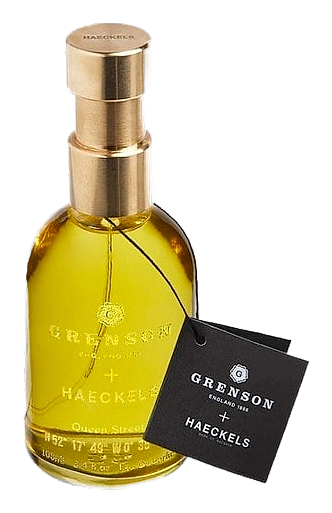
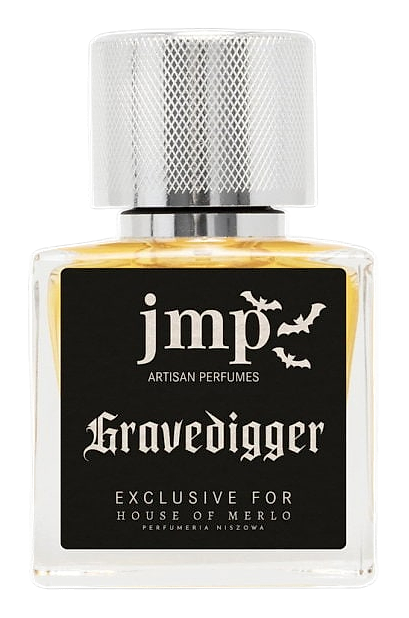
Fragrances featuring Brick
Brands
Brands known for Brick
Good to know
Questions, answered
The essentials on Brick in perfumery: how it smells, where it comes from, and how it behaves on skin.
What does Brick smell like in a fragrance?
Brick delivers warm, mineral richness with dry, slightly powdery undertones. It evokes sun-heated terracotta, old stone walls, and dry earth, adding earthy depth to fragrance compositions.
Is Brick a natural or synthetic ingredient?
Brick is a synthetic aromatic chemical created in laboratories to reproduce the warm scent of fired clay and weathered masonry with consistent quality.
What type of fragrances use Brick?
Brick appears in warm orientals, woody compositions, and atmospheric fragrances designed to evoke earth, architecture, and mineral elements.
How much Brick is needed in a fragrance formula?
As a synthetic material, Brick is potent and used at low concentrations, typically between 0.1% and 2% of the total fragrance concentrate.
Does Brick have any stability issues?
Brick demonstrates good stability across fragrance formats and maintains its character well in both alcohol-based perfumes and cosmetic applications.
What molecules create Brick's characteristic scent?
Brick combines multiple aromatic compounds that together reproduce the complex volatile profile released when clay is fired and subsequently weathered by sun and time.
Can Brick replace actual brick dust in perfumery?
Brick synthetic captures the key olfactory characteristics of brick while avoiding contamination issues and ensuring consistent, reproducible fragrance results.
What scent families pair well with Brick?
Brick combines exceptionally well with woody materials like cedar and sandalwood, warm spices, amber, and dry atmospheric notes.