Cork
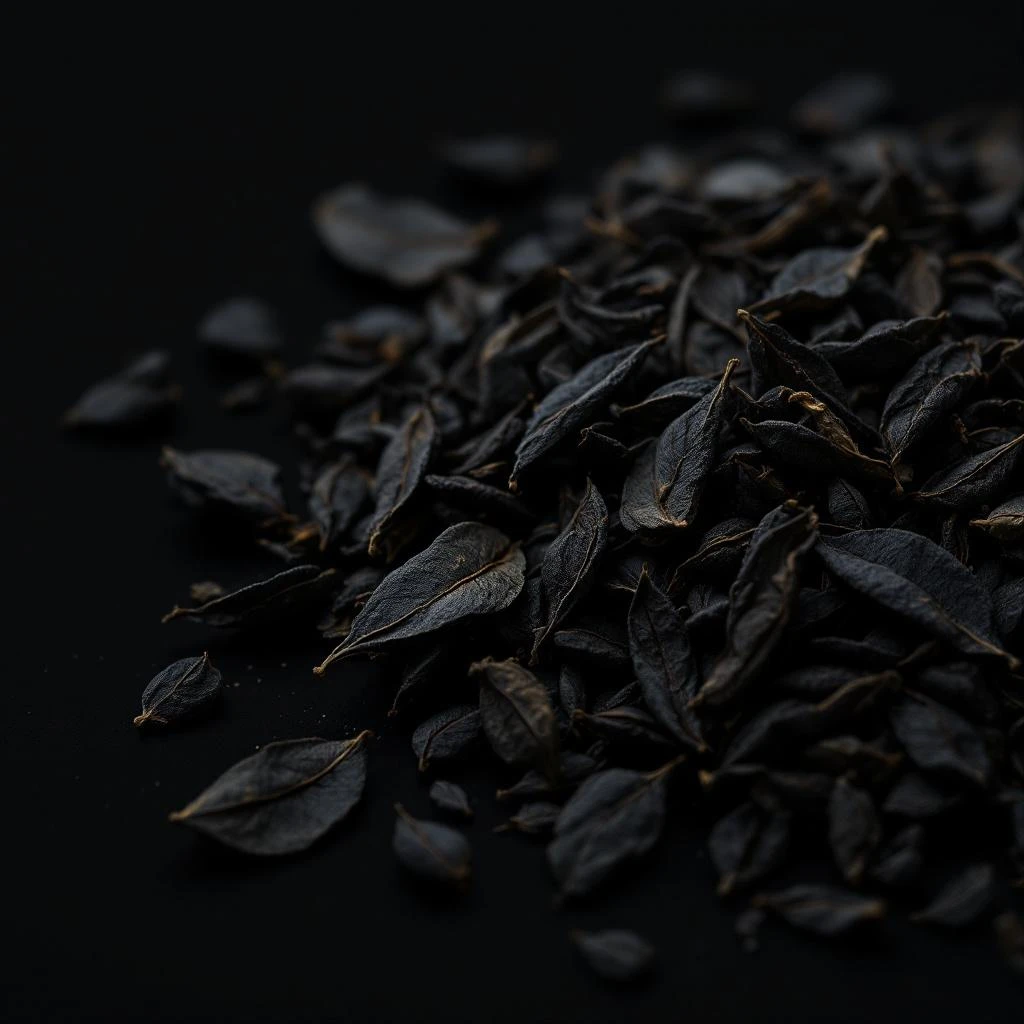
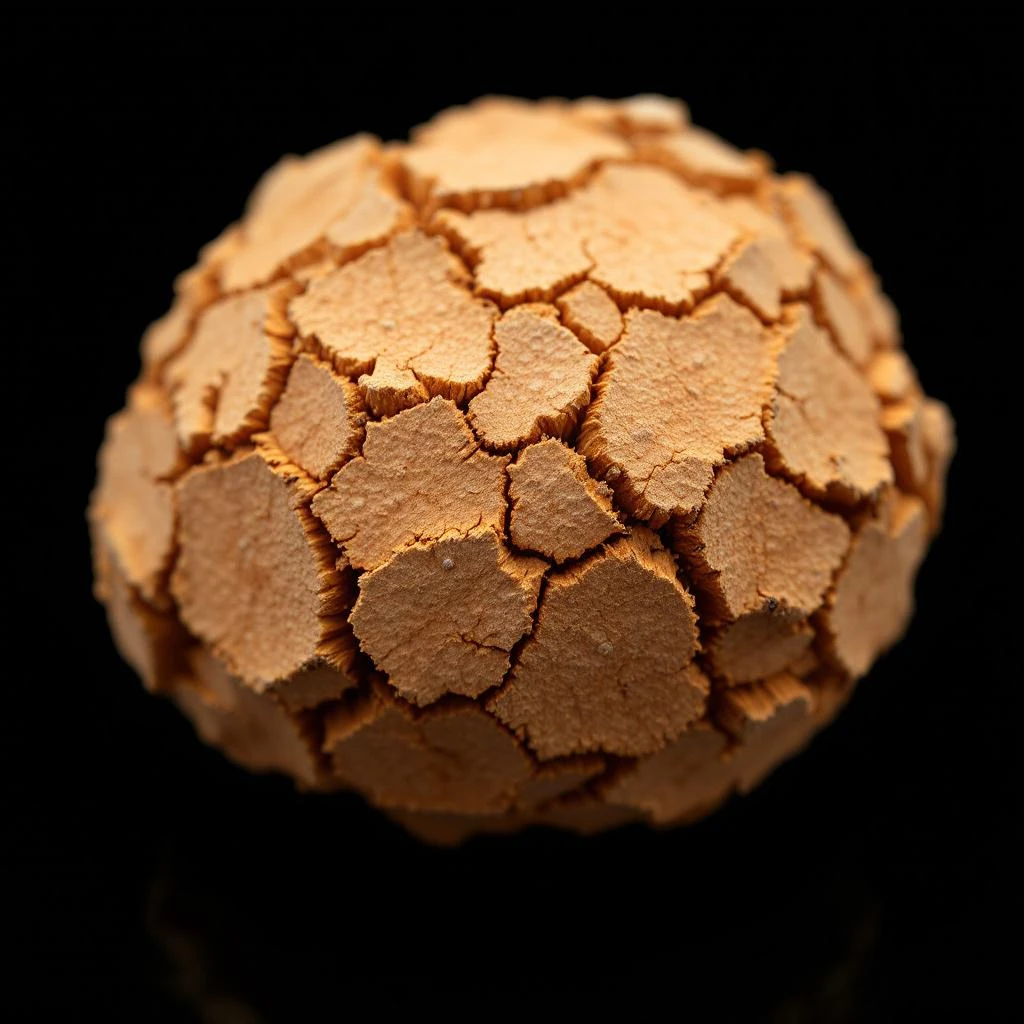
Cork oak bark carries a subtle, dry woody aroma that perfumers have only begun to explore. This Mediterranean material, famous for sealing wine bottles, offers a quiet complexity in experimental compositions.
Character
How it smells
The quiet complexity of Mediterranean cork oak bark.
A single cork oak can be harvested up to 12 times during its 200-year lifespan, each stripping revealing fresh bark with new aromatic potential.




Origin
Portugal
Cork oak forests have covered the Iberian Peninsula and western Mediterranean for millennia. Ancient Romans used cork to seal amphorae of wine and olive oil, recognizing its impermeability and durability. By the medieval period, Venetian merchants traded cork stopples throughout European markets.
Portugal's cork industry took shape in the 18th century, transforming the Alentejo region's economy. The material's association with preserving precious liquids created cultural significance that extended to perfumery. Though never a mainstream fragrance ingredient, perfumers occasionally referenced cork in historical formulations, typically in small proportions to add dry woody depth.
The material never achieved the prominence of sandalwood or oud, yet its quiet presence appears in scattered fragrance archives from the 19th and 20th centuries. Today, as perfumers seek unconventional materials that tell stories of origin and sustainability, cork has attracted renewed interest among those exploring Mediterranean olfactory territories.
Wears it best
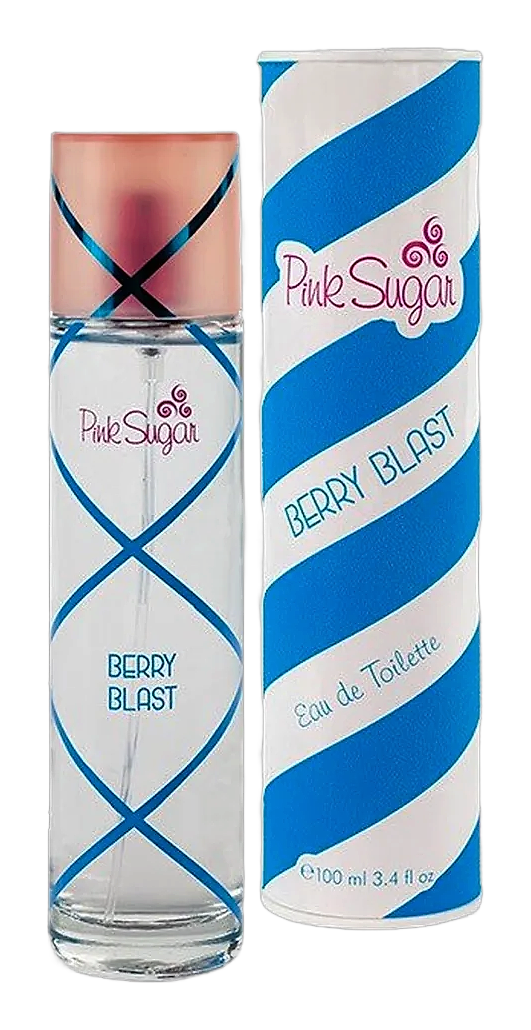
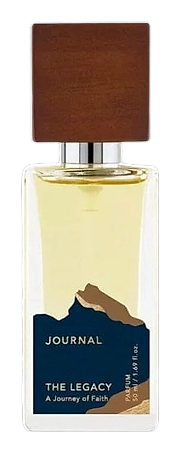
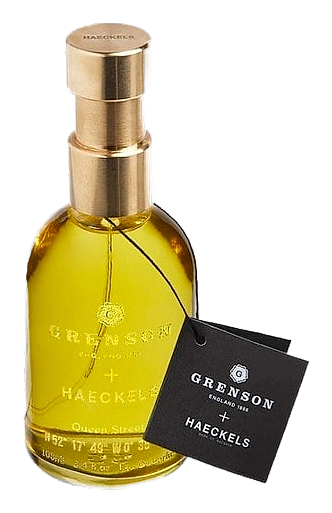
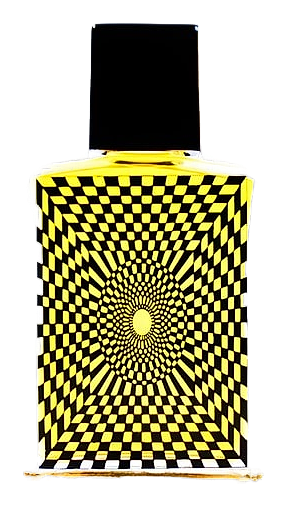
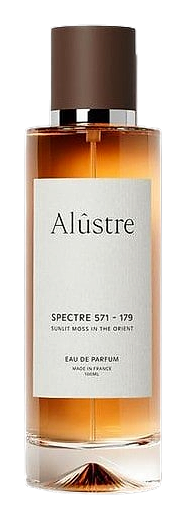
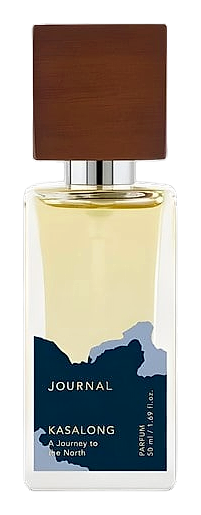
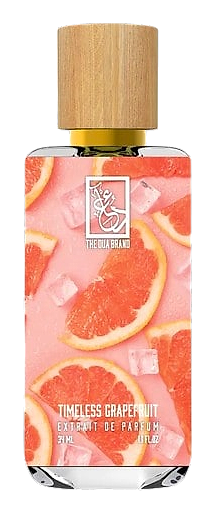
Fragrances featuring Cork

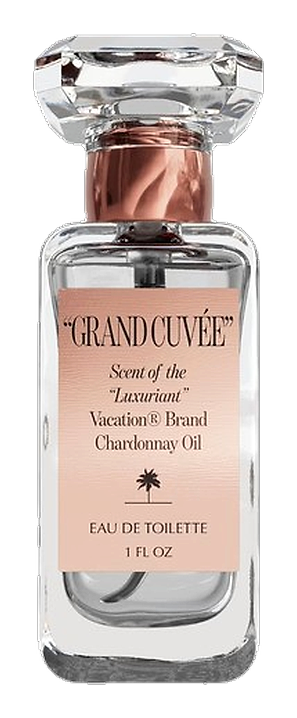
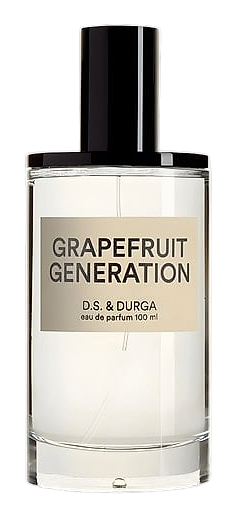
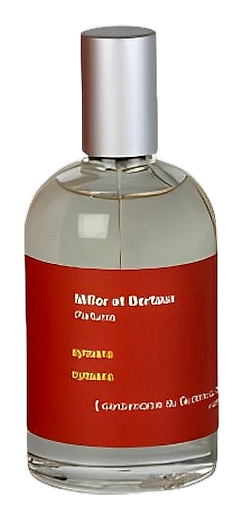
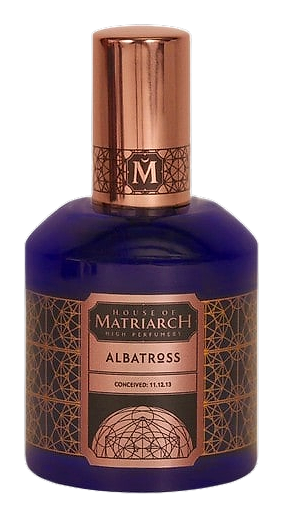
Brands
Brands known for Cork
Good to know
Questions, answered
The essentials on Cork in perfumery: how it smells, where it comes from, and how it behaves on skin.
Is cork used in commercial perfumes?
Cork appears rarely in commercial fragrances. Most perfumery references to cork describe the material in conceptual terms rather than as an actual aromatic ingredient. Some artisanal and experimental perfumers have worked with cork extracts, but no standard commercial product exists.
What does cork smell like in fragrance?
Describing cork's aroma is challenging since no standardized extract exists. Anecdotal accounts suggest dry woodiness with slight smoky and leathery undertones. The characteristic comes more from memory associations than documented fragrance chemistry.
Can you distill cork to make fragrance?
Steam distillation of cork bark has been attempted but produces limited aromatic yield. CO2 supercritical extraction shows more promise for capturing the material's volatile compounds, though this method remains largely experimental.
Why is cork rare in perfumery?
Cork's low concentration of volatile aromatic compounds makes standard extraction commercially unviable. The material also lacks the prestige associations that drive demand for ingredients like oud or ambergris. Its perfumery use remains primarily conceptual.
Where does perfumery-quality cork come from?
Portugal produces over half the world's cork, particularly from Alentejo province. Harvesting occurs exclusively from living cork oak trees, never from felled木材, which maintains sustainable supply while allowing continued bark regeneration.
Does cork harvesting harm trees?
Cork oak trees regenerate bark after each harvest, making collection sustainable when properly managed. First harvest occurs around age 25, with subsequent harvests every 9 years. Trees typically live 150 to 200 years, supporting 12 to 15 harvests during their lifespan.
Are synthetic alternatives to natural cork available?
No synthetic cork accord exists as a standard perfumery material. However, perfumers can reference cork's aromatic character through combinations of dry woods, smoky notes, and subtle leather accords that approximate the material's conceptual presence.
What role does cork play in wine aromas?
Cork taint in wine, caused by the compound TCA, creates a musty, wet cardboard aroma that has shaped consumer expectations around cork's olfactory signature. This association likely influences how perfumers conceptualize cork's place in fragrance composition.