


Heritage
A house, in its own words
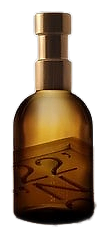
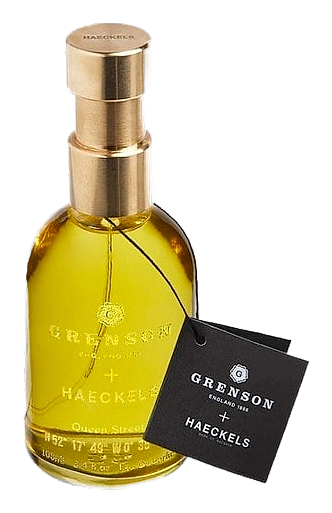
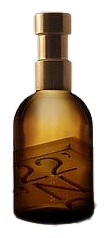
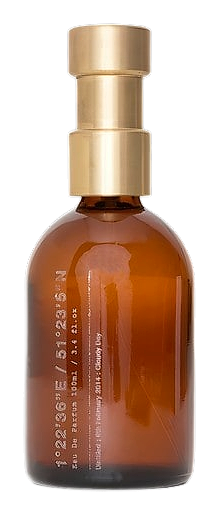
In 2012, Dom Bridges and Alex Bower established Haeckels in their hometown of Margate, a seaside town on England's Kent coast that had seen better decades. Rather than competing with Paris or Grasse, they looked seaward. The founding principle was simple: everything the brand needed existed within walking distance of their door. Coastal botanicals, seawater, sea air, chalk reef flora, and the particular grey-green light of an English autumn afternoon became their palette. The early years focused on building a body care range grounded in these foraged materials. Fragrance came later, emerging as the natural extension of their local obsession. By 2017, the brand had released its first named scents—Elizabeth Street and Queen Street—followed by a series of fragrances identified by GPS coordinates rather than poetic titles. Each coordinate corresponds to a specific location along the English coast where ingredients were gathered or inspired. This anchoring to place became Haeckels' signature move in a fragrance world that often sells fantasy. Around 2024, marking twelve years since inception, the brand announced a significant relaunch, stepping away from its founding name while retaining its Margate roots and radical approach to natural perfumery. Haeckels operates on a conviction that scent should be inseparable from place. Where mainstream fragrance searches global ingredient catalogues for prestige materials, Haeckels harvests from a single coastline. This isn't scarcity marketing—it's a methodology. By working exclusively with what exists within a defined geographic radius, the brand forces itself to find complexity in limited resources. The English coast offers salt, samphire, rock rose, sea buckthorn, coastal oak, and dozens of other botanicals that most perfumers have never held. Their creative process begins with foraging expeditions and GPS documentation rather than分子 structures. A secondary philosophy involves questioning what a brand even is. By relaunching without an official name, Haeckels positions itself against the cult-of-brand that dominates luxury fragrance. The scent should speak before the label. This anti-commercial stance extends to their open collaboration with scientists, students, and external perfumers—anyone whose approach aligns with their values of locality and inquiry. The philosophy asks a simple question: what if we smelled exactly where we lived?