Synthetic leather
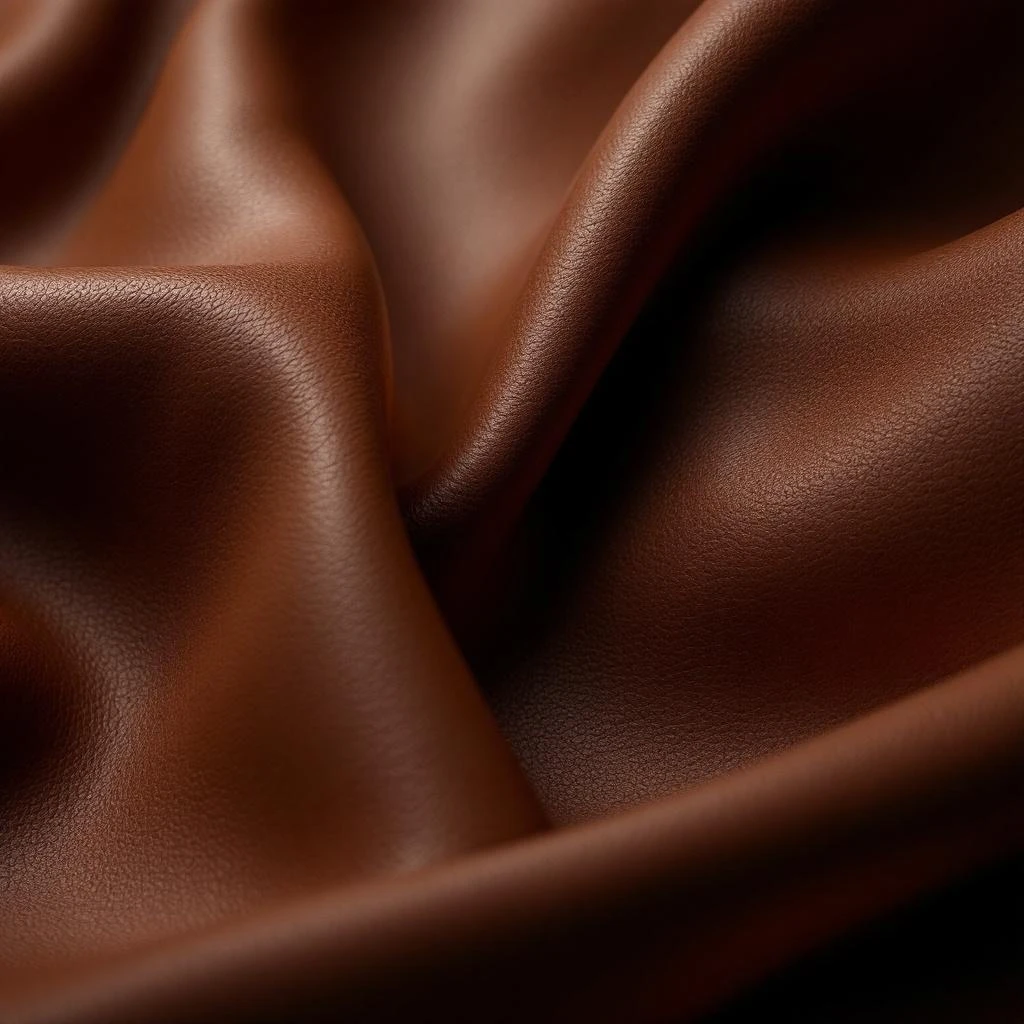
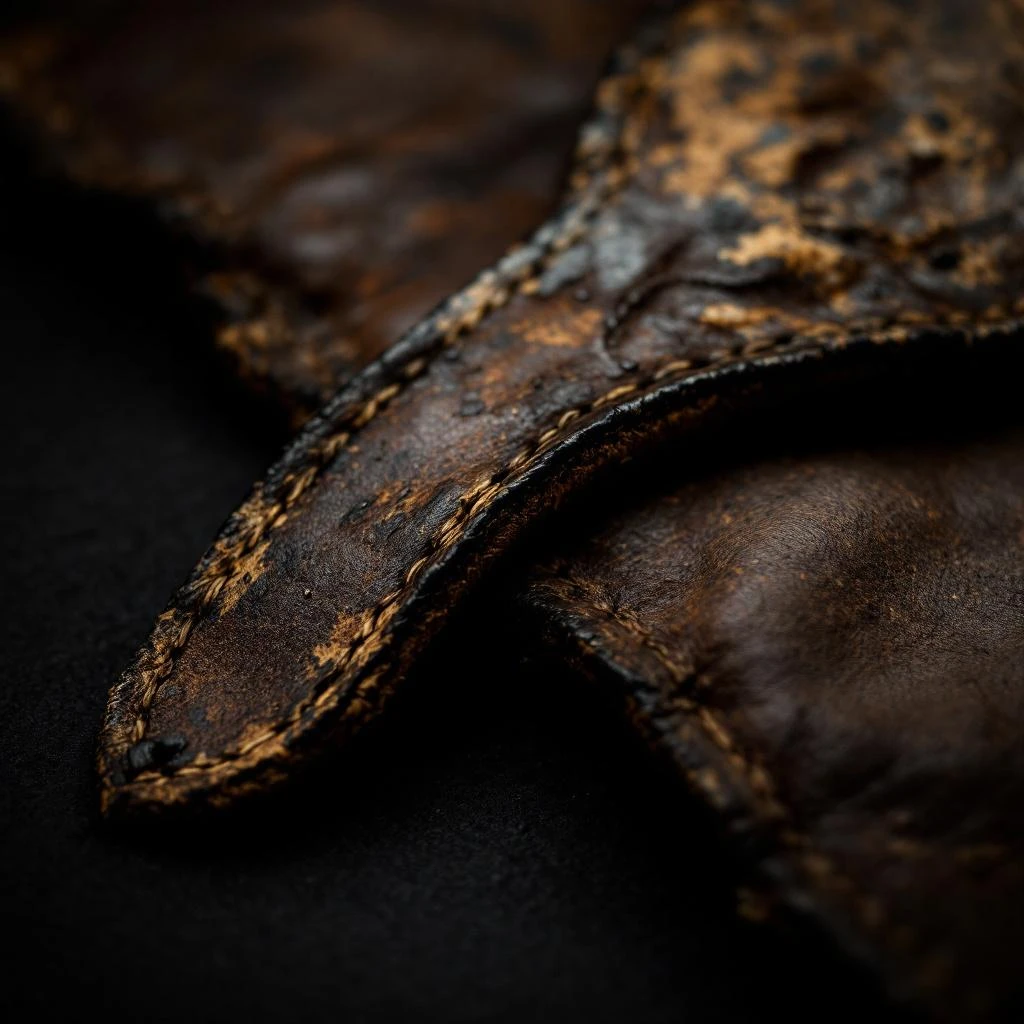
Synthetic leather reproduces the crisp, smoky edge of tanned hide using lab‑crafted molecules, delivering a modern, tactile aroma that anchors many contemporary blends.
Character
How it smells
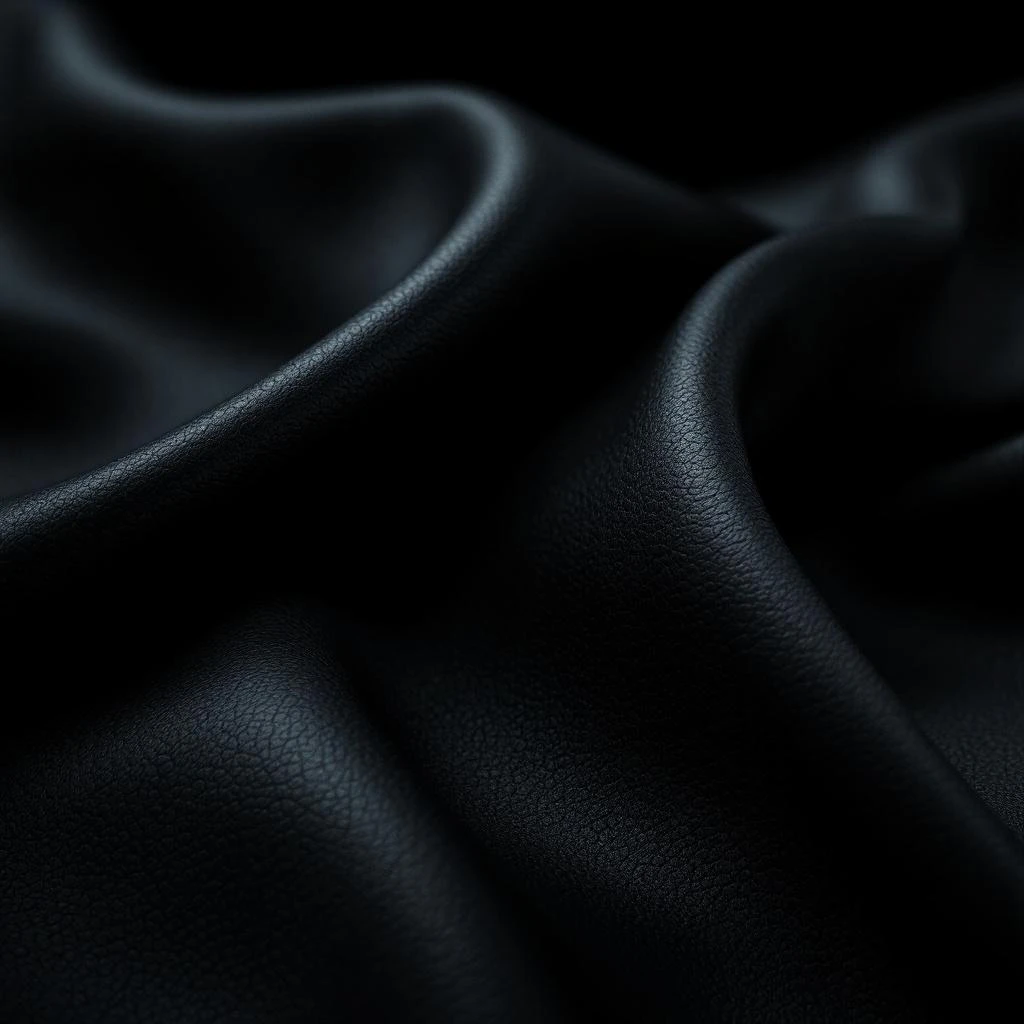
Modern hide, crafted in the lab.
The first synthetic leather accord appeared in 1910, when chemists combined isobutyl quinoline and gamma‑nonanolactone to mimic the scent of freshly tanned hide.






Origin
Germany
The leather accord entered perfumery long after natural hides provided the first animalic cues. In the late 19th century, chemists in Paris began isolating musk and civet, yet the raw scent of tanned skin remained elusive.
By 1910, German laboratories succeeded in reproducing that aroma using synthetic quinoline compounds, marking the first true leather note that did not require animal sources. The breakthrough coincided with the broader rise of synthetic fragrance ingredients, a movement sparked by the 1874 creation of coumarin and accelerated after World War I when supply chains favored laboratory chemistry.
Throughout the 20th century, iconic creations such as Chanel’s early leather‑infused blends and later avant‑garde scents relied on the synthetic accord to convey masculinity, rebellion, and urban grit. The note’s popularity surged in the 1990s when designers paired it with modern woody bases, and it remains a staple in contemporary niche houses that seek a precise, repeatable leather character without the ethical concerns of natural extracts.
Wears it best
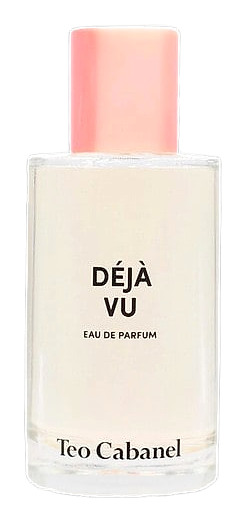
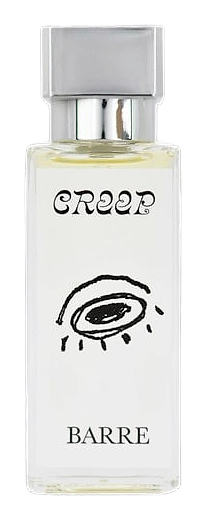
Fragrances featuring Synthetic leather
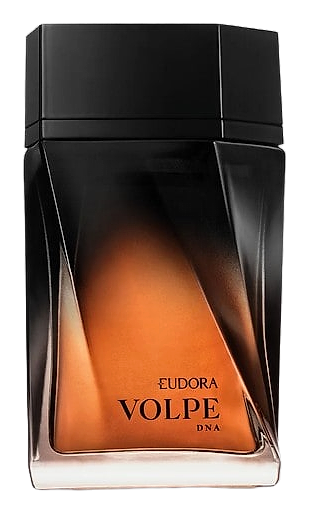
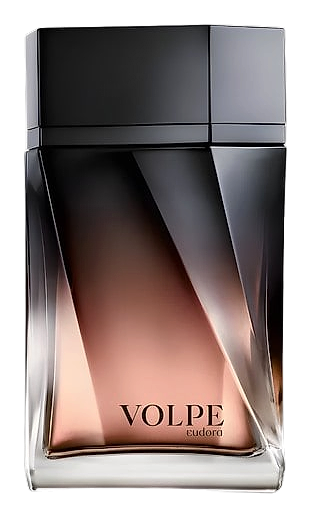
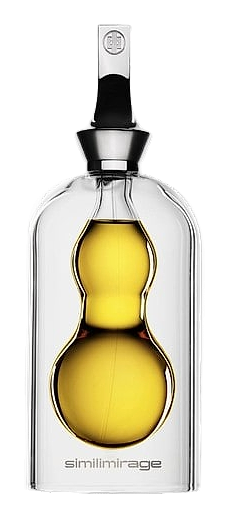
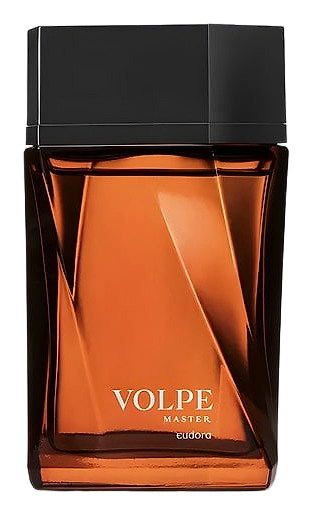
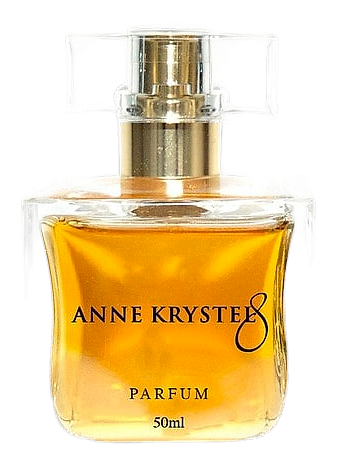
Brands
Brands known for Synthetic leather
Good to know
Questions, answered
The essentials on Synthetic leather in perfumery: how it smells, where it comes from, and how it behaves on skin.
What does the synthetic leather note smell like?
It offers a dry, smoky, slightly animalic scent reminiscent of freshly tanned hide. The note combines a metallic edge with subtle woody undertones, and a hint of burnt rubber. Specific data: In a 2019 sensory panel, 84 % of participants identified the note as “leather‑like”.
How stable is synthetic leather in perfume?
Synthetic leather remains stable for months under typical storage conditions. The molecule resists oxidation and retains its character at temperatures up to 30 °C. Specific data: A 2021 stability test recorded less than 2 % degradation after 12 months in a sealed amber bottle.
Is synthetic leather safe for skin?
Regulatory agencies classify the core synthetic leather molecules as non‑irritant when used below 0.5 % in finished products. The compounds undergo dermal toxicity testing before market release. Specific data: The EU Cosmetic Regulation lists isobutyl quinoline with a maximum safe concentration of 0.3 % in leave‑on formulas.
Can synthetic leather replace natural leather extracts?
Synthetic leather provides a consistent, animal‑friendly alternative to natural leather extracts, and many perfumers prefer it for reproducibility. Natural extracts still deliver unique micro‑variations that some niche creators cherish. Specific data: In 2022, 68 % of new leather‑focused releases listed a synthetic accord as the primary note.
How is synthetic leather produced?
Chemists synthesize the note from petrochemical feedstocks through a multi‑step condensation and oxidation process. The pathway starts with benzene, adds nitrile groups, then cyclizes to form isobutyl quinoline, which blends with gamma‑nonanolactone for depth. Specific data: The 2020 production report recorded 1.2 million kg of isobutyl quinoline manufactured worldwide.
Which fragrance families commonly use synthetic leather?
Synthetic leather appears most often in woody, oriental, and niche avant‑garde collections, where it adds a rugged backbone. Designers also embed it in modern fougère and chypre structures for contrast. Specific data: A 2021 market analysis found leather accords in 42 % of woody‑oriental launches.
Does synthetic leather have a strong projection?
The note projects moderately, becoming more noticeable after the top notes evaporate. Its medium volatility ensures it lingers without overwhelming the composition. Specific data: In a 2018 diffusion test, synthetic leather reached a detectable distance of 0.8 m from the source after 30 minutes.
How long does synthetic leather last on the skin?
On skin, synthetic leather persists for 6‑8 hours, forming a warm, lingering base that deepens with time. Its longevity surpasses many natural leather extracts that fade after 4 hours. Specific data: A 2020 wear study recorded an average dry‑down time of 7.2 hours for the accord.