Charred Sandalwood
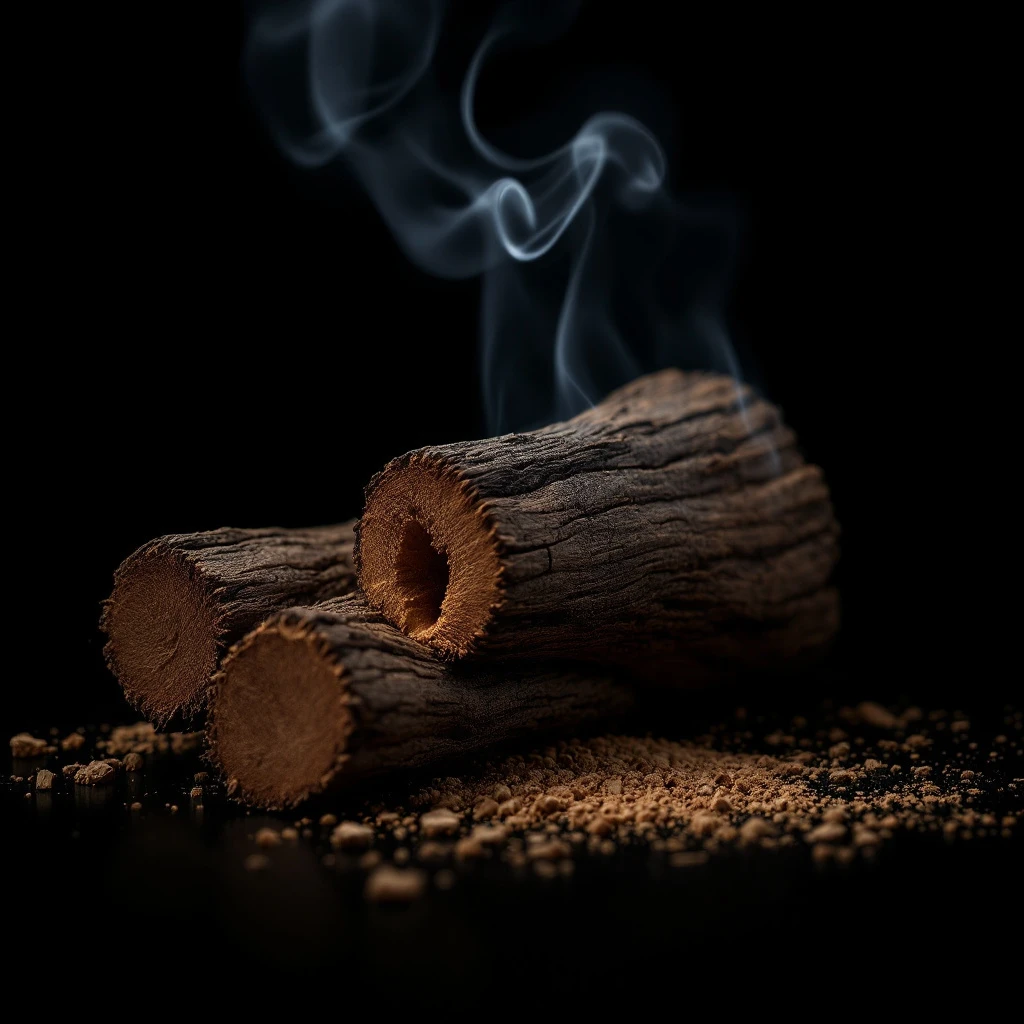
Sandalwood burned to reveal its darker soul. Charred Sandalwood captures the sacred wood after flame touches its grain, transforming creamy warmth into something smoky, resinous, and ancient.
Character
How it smells
Where fire meets four thousand years of ritual.
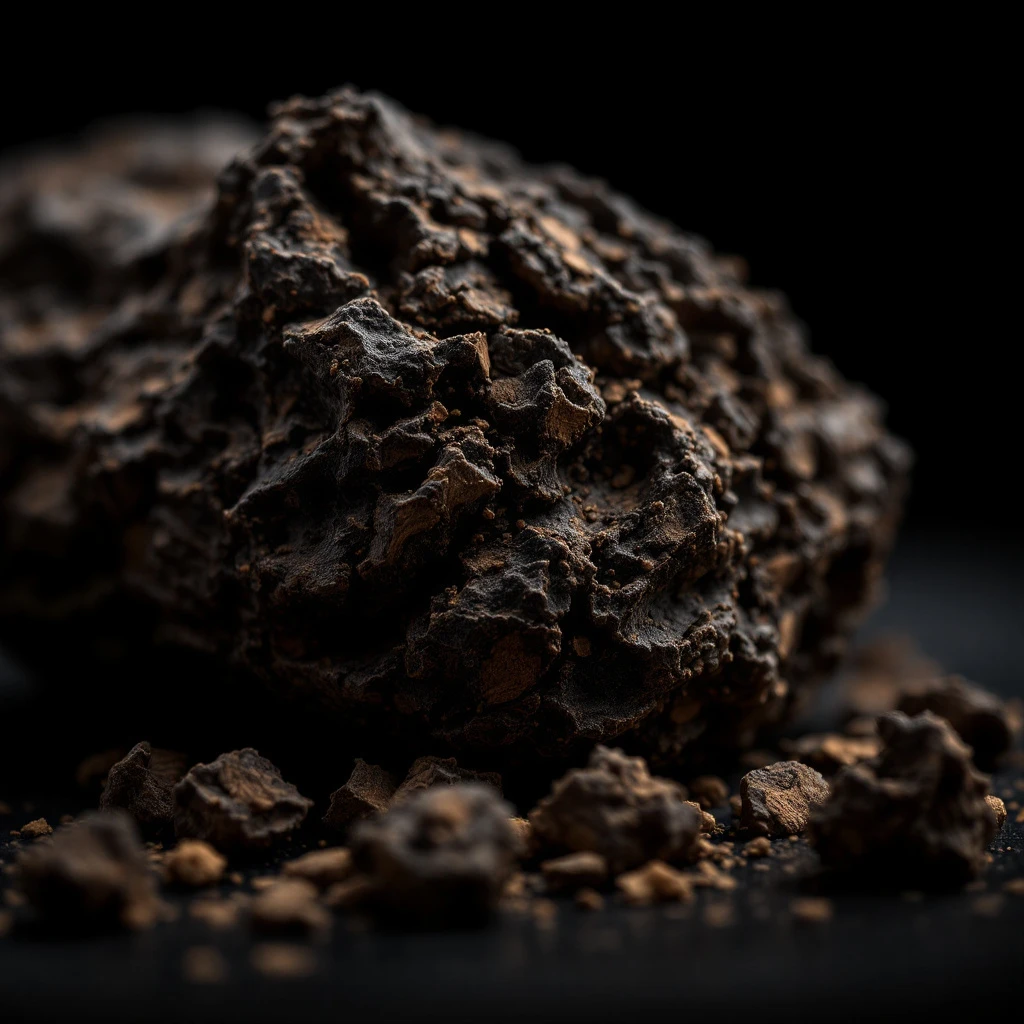
Sandalwood must grow 40 years before harvest. Charred treatment unlocks its smoky character without synthetic accord.


Origin
India
Sandalwood has anchored sacred practice across Asia for four millennia. Indian texts from 700 BCE document sandalwood paste applied to altars and skin during worship. Ancient Arab perfumers ground the wood into powder for solid perfume compounds.
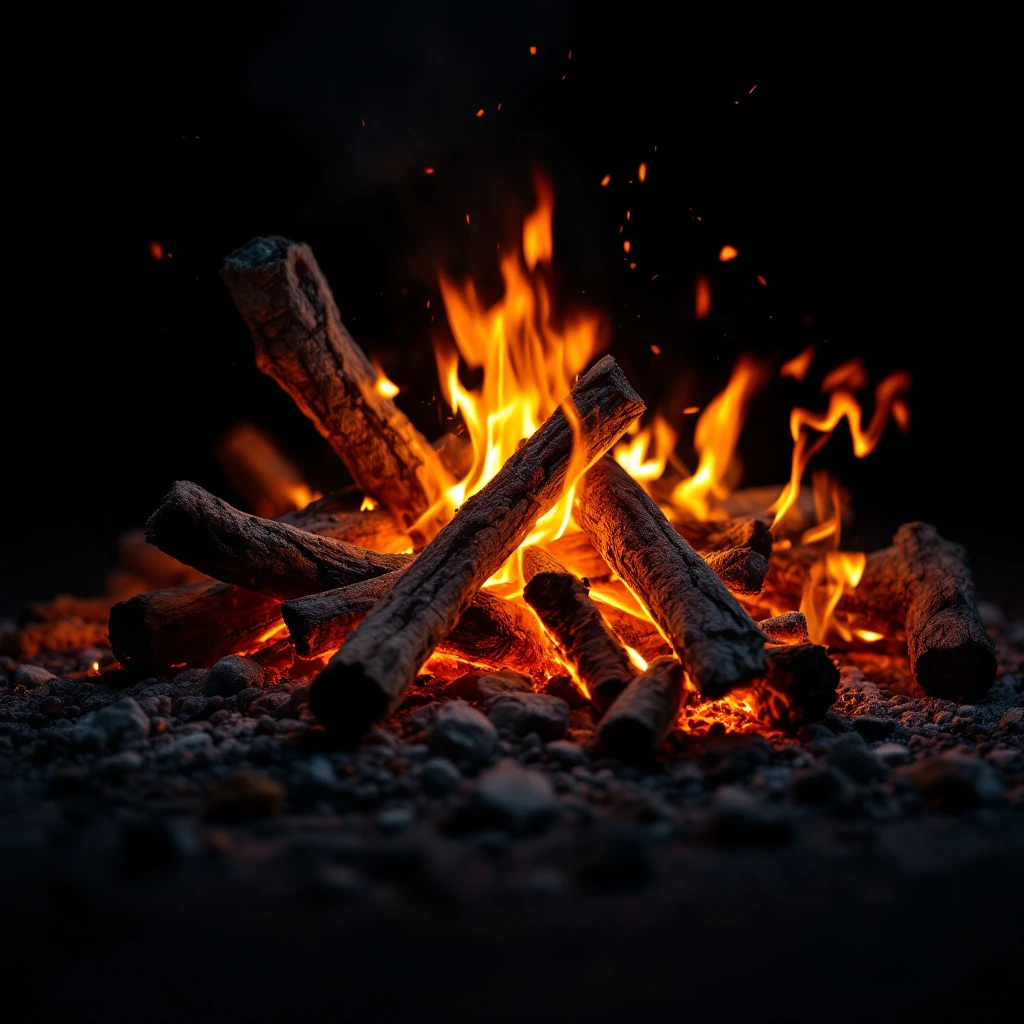
Egyptian embalmers incorporated sandalwood into their preservation rituals. The charred variant emerges from a different tradition: sacred and ceremonial burning practices where sandalwood logs smoldered in temples from Varanasi to Balinese purification ceremonies. These traditions recognized that controlled burning transformed the wood's aroma, adding a smoky dimension to its creamy heart.
Contemporary perfumers access this ancient transformation through controlled torrefaction, creating an ingredient that bridges焚烧祭祀 smoke and perfumery's softer aesthetic. Charred Sandalwood represents a deliberate return to elemental processing methods that predated industrial extraction.
Wears it best
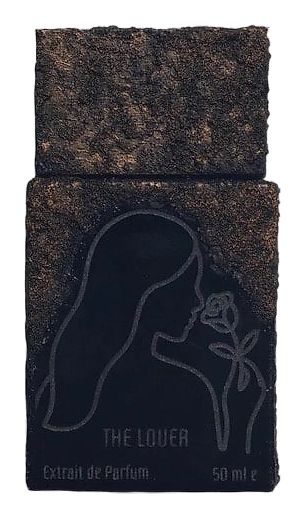
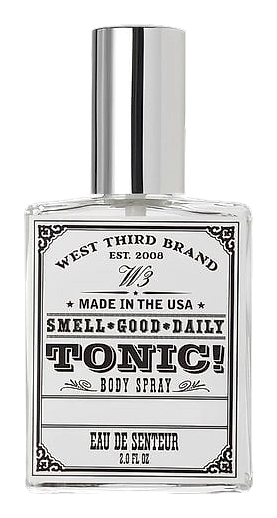
Fragrances featuring Charred Sandalwood
Brands
Brands known for Charred Sandalwood
Good to know
Questions, answered
The essentials on Charred Sandalwood in perfumery: how it smells, where it comes from, and how it behaves on skin.
What does Charred Sandalwood smell like?
Charred Sandalwood combines smoky, almost BBQ-like warmth with sandalwood's creamy, milky depth. Think smoldering woodchips beside vanilla ice cream. The char introduces a leathery, slightly bitter edge that grounds the sweetness and extends the drydown significantly.
How is Charred Sandalwood different from regular sandalwood?
Standard sandalwood offers creamy, sweet, woody warmth. Charred Sandalwood adds smoke through controlled thermal modification of the wood before distillation. This treatment breaks down compounds and creates new aromatic molecules, giving the finished oil a darker, more complex character that reads as both smoky and resinous.
Why must sandalwood trees grow 40 years before harvest?
Santalum album accumulates santalol compounds, the source of sandalwood's characteristic aroma, exclusively in the heartwood. The tree must reach 40+ years of age for these aromatic oils to concentrate sufficiently. This long maturation explains sandalwood's scarcity and premium pricing in fine fragrance.
Is Charred Sandalwood sustainable?
Certified sustainable sandalwood comes from plantations in Australia and India with verified tracking systems. Look for FSC certification or Fair Trade sourcing. Australian Santalum album plantations now supply significant perfumery demand while Indian wild sources face stricter export controls.
Which fragrance families use Charred Sandalwood?
Charred Sandalwood anchors woody, oriental, and smoky compositions. It pairs naturally with oud, leather notes, and amber. Perfumers also use it to add warmth to fresher scents without resorting to synthetic smoke compounds.
Does Charred Sandalwood occur naturally or is it synthetic?
Charred Sandalwood is a natural material. Producers achieve the charred character by applying controlled heat to sandalwood heartwood before steam distillation. No artificial smoke compounds get added. The process simply accelerates and intensifies aromatic changes that occur when wood burns.
How does Charred Sandalwood perform in perfume formulations?
Charred Sandalwood functions as both a base note and a modifier. It adds projection to woody compositions while its smoke character lifts heavier accords. Blenders find it especially useful at 2-5 percent concentrations where it introduces warmth without overwhelming brighter top notes.
What role did sandalwood play in ancient perfumery?
Sandalwood appears in Sanskrit texts from 700 BCE as a sacred perfumery material. Ancient Arab craftsmen used ground sandalwood as a solid perfume base. Egyptian embalmers incorporated it into burial rituals. This four-thousand-year continuous use spans religious ceremony, personal fragrance, and mummification.