Holy Water
Holy Water is a fantasy accord in perfumery that evokes sacred ritual atmosphere. Perfumers construct this note by combining mineral-stone elements, ozonic aromatics, and trace sacred resins to recreate the spiritual resonance of ecclesiastical ceremonies. It functions as a modifier that adds contemplative depth and ceremonial authenticity to fragrance compositions.
Character
How it smells
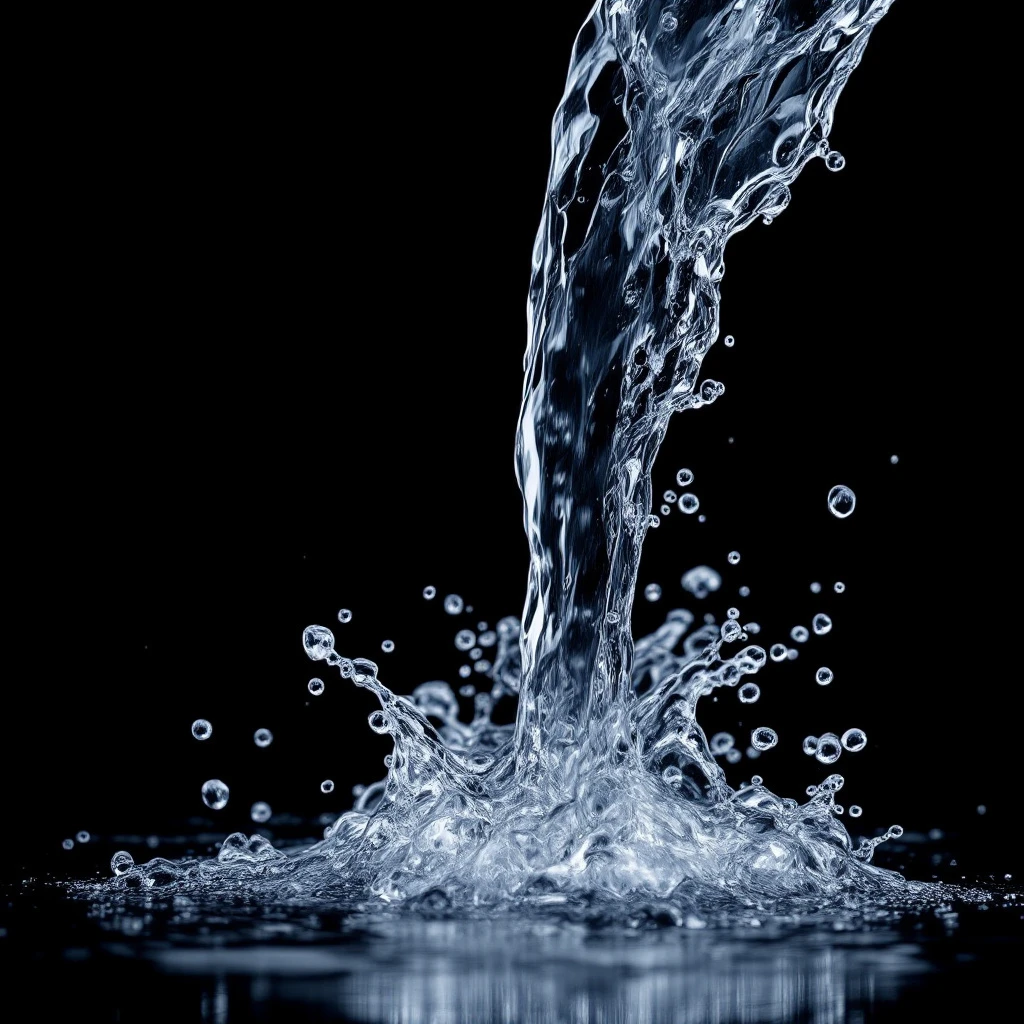
Sacred stillness captured: the scent of devotion and ceremonial purification
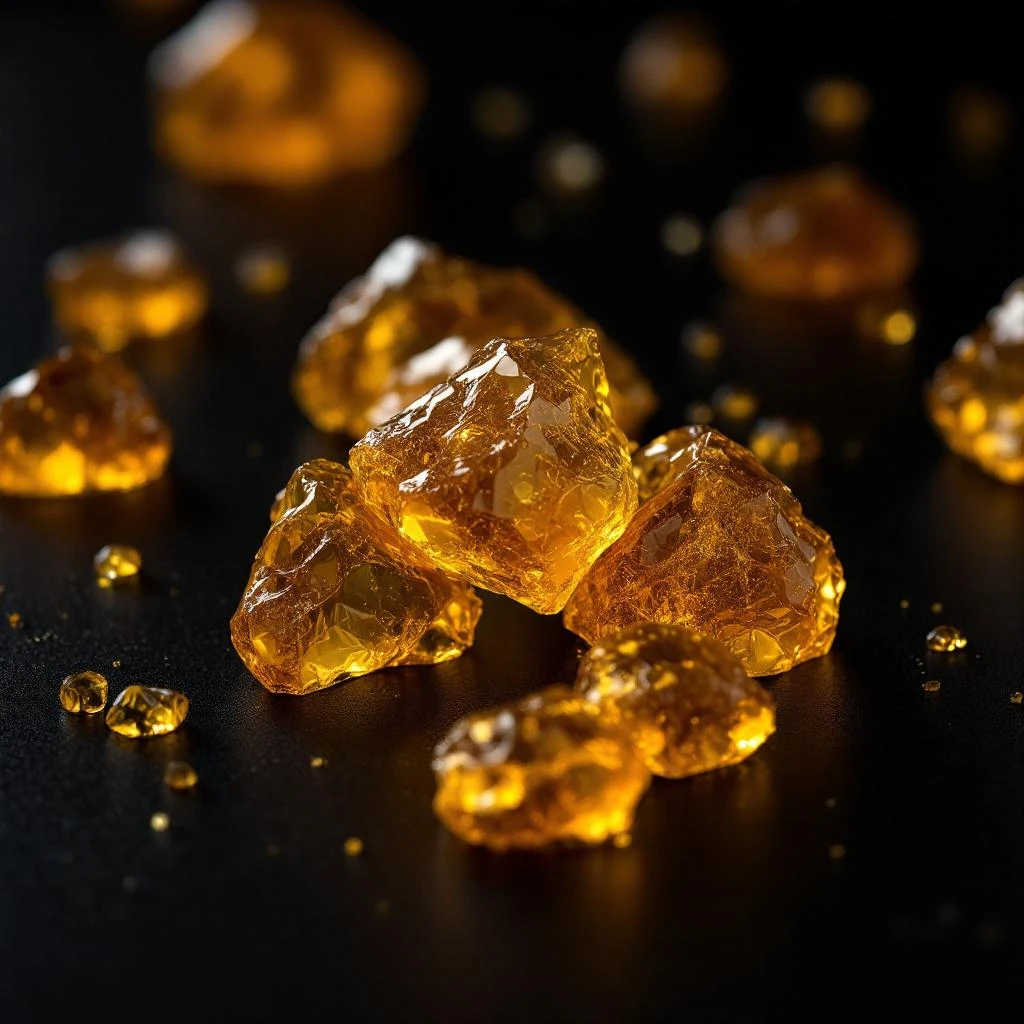
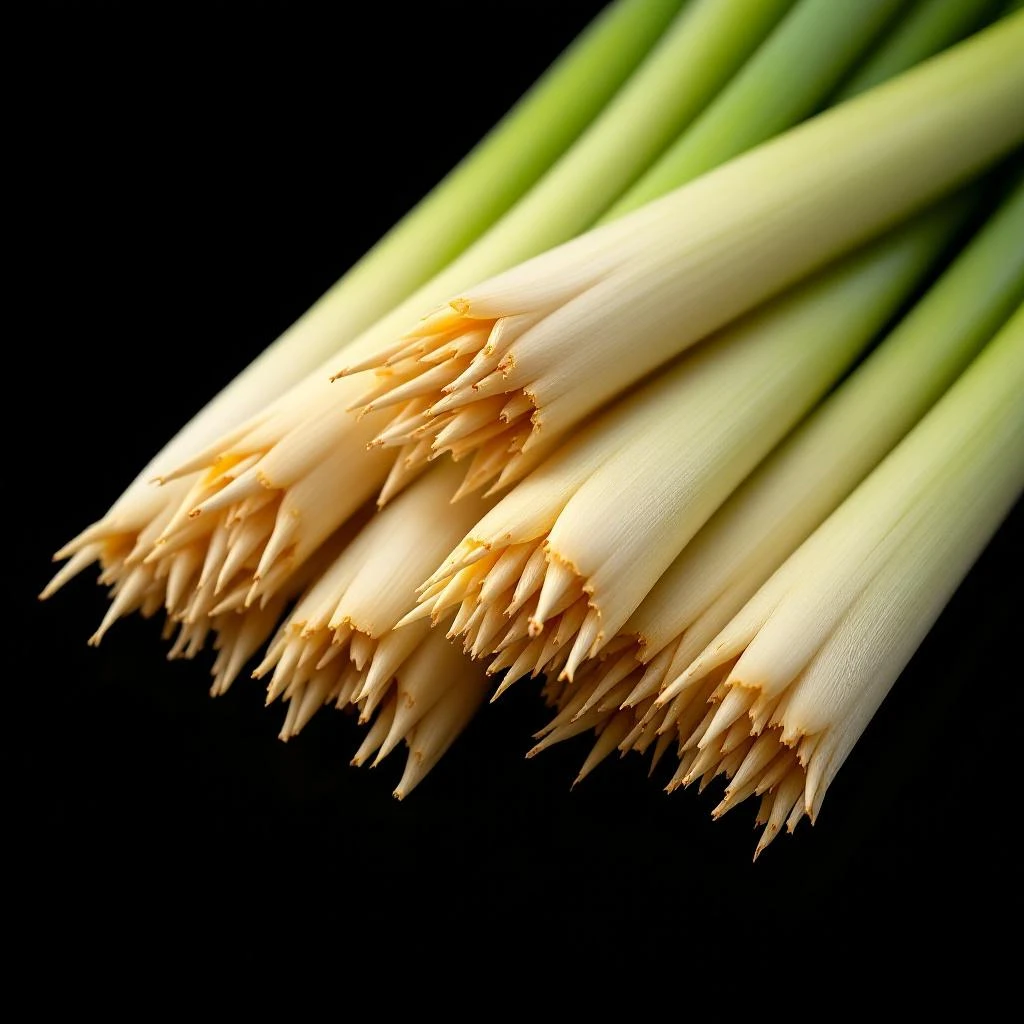
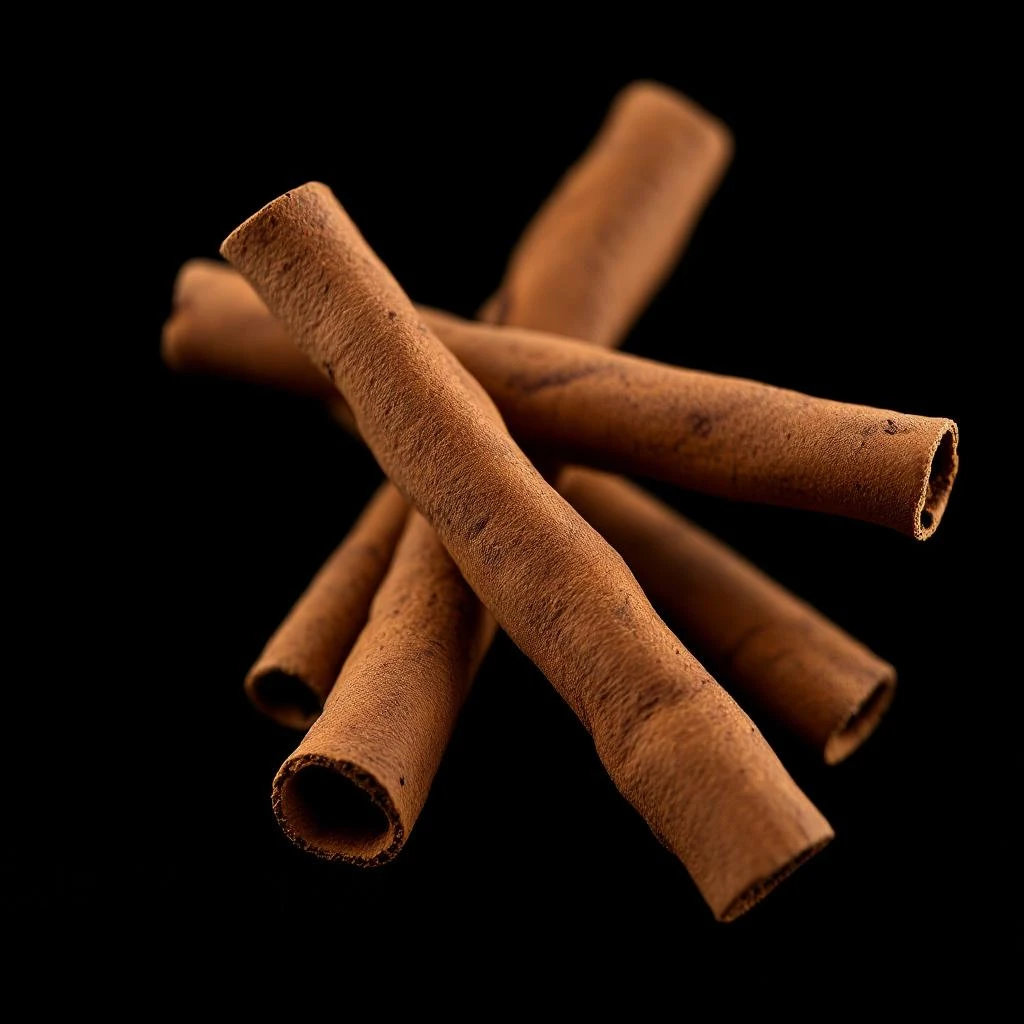
Holy Water in perfumery is not extracted from any source; it is a constructed accord combining mineral, ozonic, and incense elements to evoke spiritual atmosphere.



Origin
France
The concept of Holy Water in perfumery draws from thousands of years of sacred scent traditions. In ancient Mesopotamia around 4000 BCE, priests and priestesses served as some of the earliest known perfumers, crafting botanical fragrances specifically for temple rituals.
Ancient Egyptian priests burned frankincense as temple incense to carry prayers to the gods, while sacred oils played central roles in purification ceremonies. Greek and Roman cultures inherited and adapted these practices, incorporating aromatic materials into public religious rites and personal devotion.
Throughout history, water itself held profound spiritual significance across cultures, with temple pools, holy springs, and blessed waters considered direct conduits of divine presence. These accumulated traditions shaped perfumery's vocabulary, inspiring modern fantasy accords like Holy Water that translate ancient ritual experience into contemporary olfactory language.
Wears it best
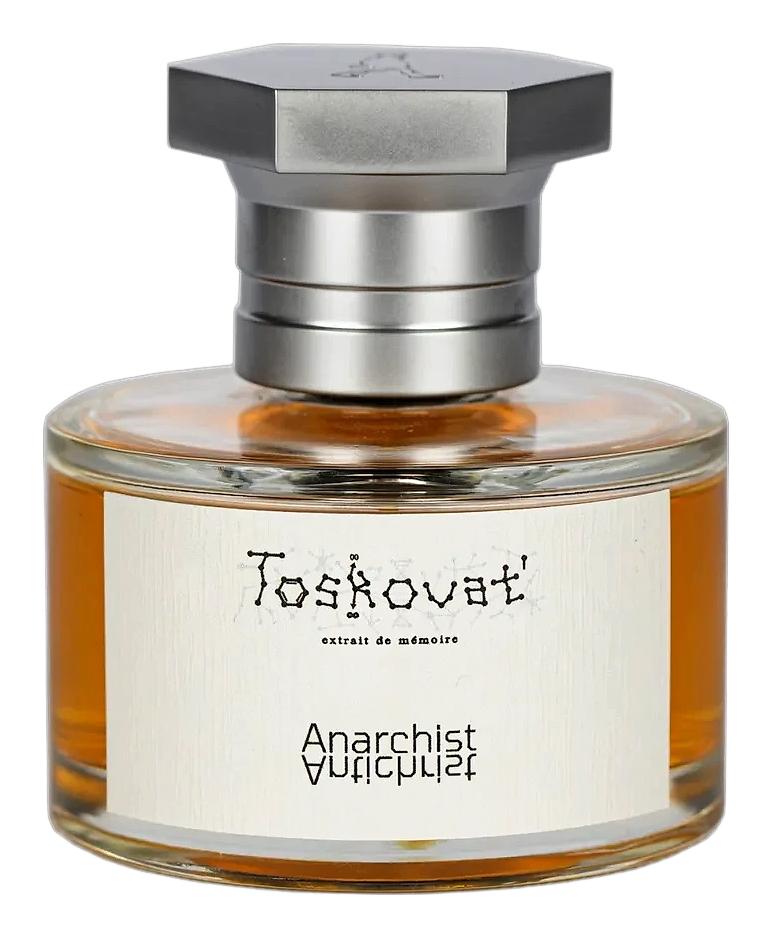
Fragrances featuring Holy Water
Brands
Brands known for Holy Water
Good to know
Questions, answered
The essentials on Holy Water in perfumery: how it smells, where it comes from, and how it behaves on skin.
What does Holy Water smell like in perfume?
Holy Water smells like ritualistic atmosphere with mineral-stone notes, ozonic freshness, and subtle sacred resin undertones. It evokes the sensory experience of entering an ancient church or temple, combining crisp aqueous qualities with contemplative warmth. No two Holy Water accords smell identical, as perfumers interpret this fantasy note differently.
Why is Holy Water used in perfumery?
Holy Water serves as a fantasy modifier that adds spiritual depth and ecclesiastical resonance to fragrances. Perfumers use it to evoke contemplation, ritual purity, and sacred atmosphere. It works particularly well in compositions seeking to balance modern freshness with traditional ceremonial character.
Is Holy Water in perfume natural or synthetic?
Holy Water is always a synthetic construction or accord in perfumery. No natural extraction produces the Holy Water note. Perfumers combine multiple aromatic materials including both natural resins and synthetic molecules designed to evoke mineral, ozonic, and sacred qualities. This allows consistent reproduction across batches.
What famous perfumes contain Holy Water?
Several niche and artisanal fragrances incorporate Holy Water accords, particularly brands exploring spiritual or ritualistic themes. The note appears in creations from houses focused on conceptual perfumery. Specific formulations vary by brand, as Holy Water remains an interpretive accord rather than a standardized ingredient.
Is Holy Water a top note, heart note, or base note?
Holy Water can function at multiple positions depending on how the perfumer structures the accord. Ozonic and mineral elements typically emerge as top notes, while resinous undertones develop into the heart and base. Some interpretations position the note primarily as a supporting element throughout the fragrance pyramid.
What notes pair well with Holy Water in perfume?
Holy Water pairs naturally with sacred resins like frankincense, myrrh, and benzoin. It complements white musks, clean ozonic materials, and soft woods. The note also works alongside citrus, lavender, and aromatic herbs that reinforce its fresh-yet-sacred character. These combinations strengthen the ritualistic atmosphere.
How is Holy Water extracted?
Holy Water cannot be extracted as it is not a natural material. Perfumers construct this accord by blending multiple aromatic ingredients including ozonic synthetics, mineral-mimicking molecules, and trace sacred resins. The construction process involves careful proportioning to achieve the characteristic balance between aqueous freshness and ceremonial warmth.
Is Holy Water used in men's or women's fragrances?
Holy Water appears across gender categories in perfumery. The note transcends binary fragrance marketing because its spiritual and ritualistic associations appeal broadly. Unisex and gender-neutral fragrance lines frequently feature Holy Water accords, though the note also appears in traditional masculine and feminine compositions.