The Story
Why it exists.
The beginning
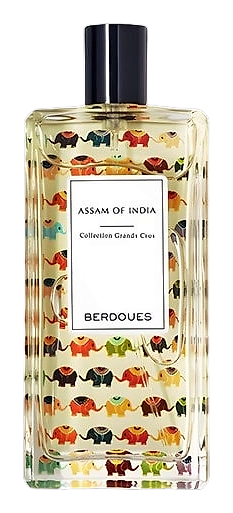
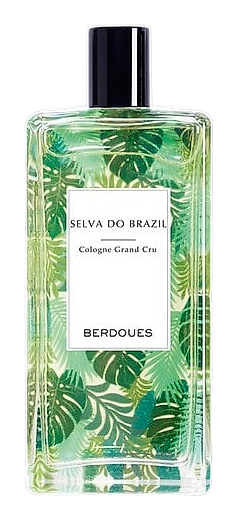
Selva do Brazil arrived in 2015 as part of the Collection Grands Crus, Parfums Berdoues' terroir-driven line where each fragrance is built around botanicals sourced from a specific place. The name promises the wild, selva means forest in Portuguese, conjuring the Amazon's dense, humid breath. But Jennifer Riley wasn't interested in recreating jungle in a bottle. She was interested in what grows around it. Petitgrain from Paraguay carries the green, aromatic character of the leaf and twig rather than the flower. Tonka bean from Brazil brings warmth and a quiet sweetness. Guaiac wood from Argentina anchors the base with its distinctive smoky depth. Three materials, three geographies. The composition is deliberately restrained, a fine vintage rather than a loud statement, built for someone who knows that great fragrance doesn't need to shout.
What makes Selva do Brazil work is the restraint. Three notes, three origins, no filler. The Guaiac wood is the surprise, not a standard French perfumery base, it carries a dusty, slightly tar-like warmth that most houses avoid. Here it's the anchor. The tonka bean doesn't sweeten the composition so much as soften its edges, keeping the green petitgrain from reading too sharp on dry skin. It's a study in what happens when you don't try to do everything at once. Most fragrances pad their pyramids with plausible-sounding supporting notes. This one doesn't. The simplicity is the point, each material is doing real work, and the composition shows for it.
The evolution
The opening is bright and immediate. Petitgrain Paraguay announces itself with that characteristic leaf-oil sharpness, citrusy, green, slightly bitter, like crushing a stem between thumb and forefinger. It lasts clean for the first twenty to thirty minutes before the tonka bean begins to warm. Then the handoff. The green sharpness softens into something honeyed and close to the skin. The tonka bean doesn't storm the composition, it slides in quietly, settling over the opening like warmth finding a cold surface. This is the heart of the fragrance: a quiet sweetness that reads as intimate rather than sweet. The guaiac wood arrives last, and it lingers. This is where the composition earns its oriental-woody classification. Guaiac carries a smoky, slightly medicinal quality, not harsh, but present, like woodsmoke caught in cool air. It outlasts everything else, holding close and warm for hours after the petitgrain has faded. On some skin it dries down to something almost resinous. On most it simply stays, intimate and aromatic, long after you stopped paying attention.
Cultural impact
Selva do Brazil occupies an unusual position: a woody oriental with the restraint of a cologne and the depth of a fine vintage. Wearers consistently describe it as the kind of fragrance that gets noticed without announcing itself, the scent of someone who doesn't need to explain their taste. The Brazilian tonka bean and Argentinian guaiac wood give it a South American character that sets it apart from the Mediterranean and Middle Eastern influences that dominate the category. It's been a reliable workhorse since 2015, versatile enough for daily wear, composed enough for professional settings, and distinctive enough to remember.