
The Story
Why it exists.
The beginning
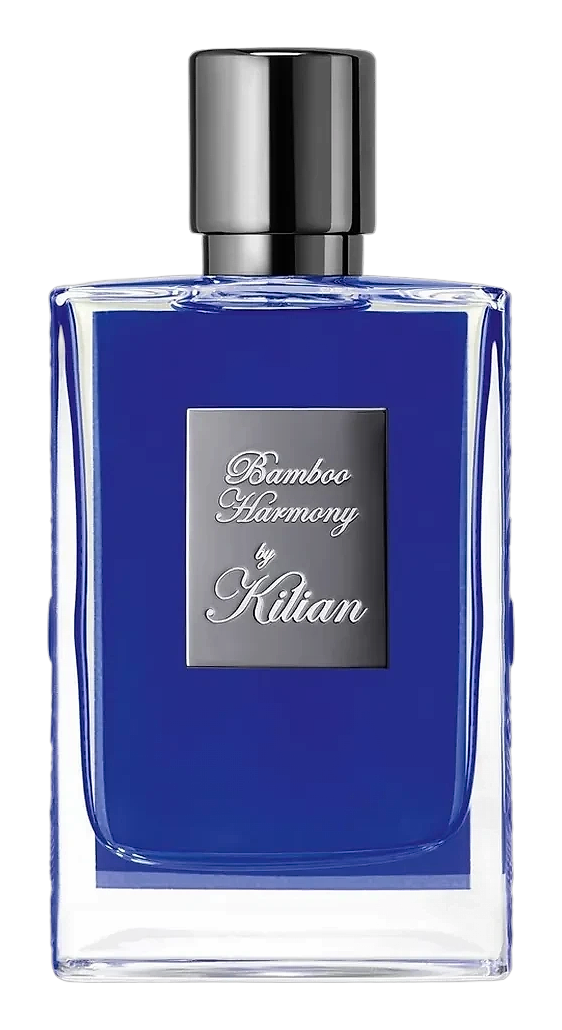
Bamboo Harmony is part of By Kilian's Asian Tales collection, drawing from the Tale of the Bamboo Cutter, a Japanese folk tale in which bamboo is revealed as a symbol of human perfection. In Chinese culture, it becomes the material of calligraphy brushes, embodying art, beauty, and the scholar's spirit. Calice Becker translated that stillness into scent: a fragrance built around the idea of clarity as luxury. Not complexity. Not drama. Clarity itself.
White tea is the rarest tea accord in perfumery, less processed than green tea, more delicate, with a subtle bitterness that most compositions strip away entirely. Here, it becomes the structural backbone. The citrus top notes (bergamot, neroli, bitter orange) provide the initial lift, but within minutes the white tea is running the show. Mate adds a herbal, almost medicinal undertone that gives the green notes something to push against. The result is a fragrance that smells like the act of drinking tea, not just tea-flavored air.
The evolution
The opening is bright and sparkling, bergamot and neroli arrive together, sharp and clean. Then the white tea steps in and softens everything. Not dramatically. Just a quiet settling, like steam rising from a cup you've been holding too long. The heart is where Bamboo Harmony gets interesting: mate and bamboo create an herbal, slightly bitter green character, while mimosa adds a powdery yellow-floral softness that keeps it from going austere. By the drydown, fig leaf and oakmoss take over, grounding the whole thing in damp, earthy green. The sillage stays moderate throughout, this isn't a fragrance that fills a room. But the longevity holds: four to six hours on most skin, with white tea lingering quietly in the base long after everything else has settled into the skin.
Cultural impact
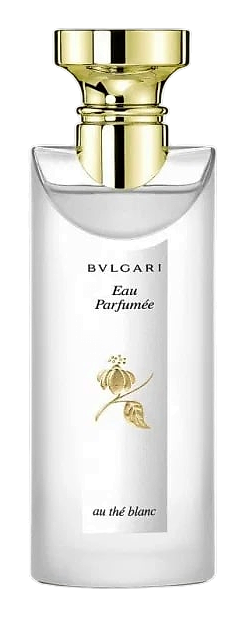
Bamboo Harmony occupies a specific niche in the modern fragrance landscape: the tea-forward composition that refuses to be decorative. While Bvlgari's Eau Parfumée au Thé Vert (1992) and Armani Privé Thé Yulong (2010) explored tea as an aesthetic, Bamboo Harmony treats it as something worth sitting with. Wearers describe it as the fragrance of someone who walks into a room and doesn't need to announce themselves, a quiet confidence that has earned a devoted following among those who prefer restraint to statement.